
Oil continues to cheapen amid restoration of supplies from the Middle East
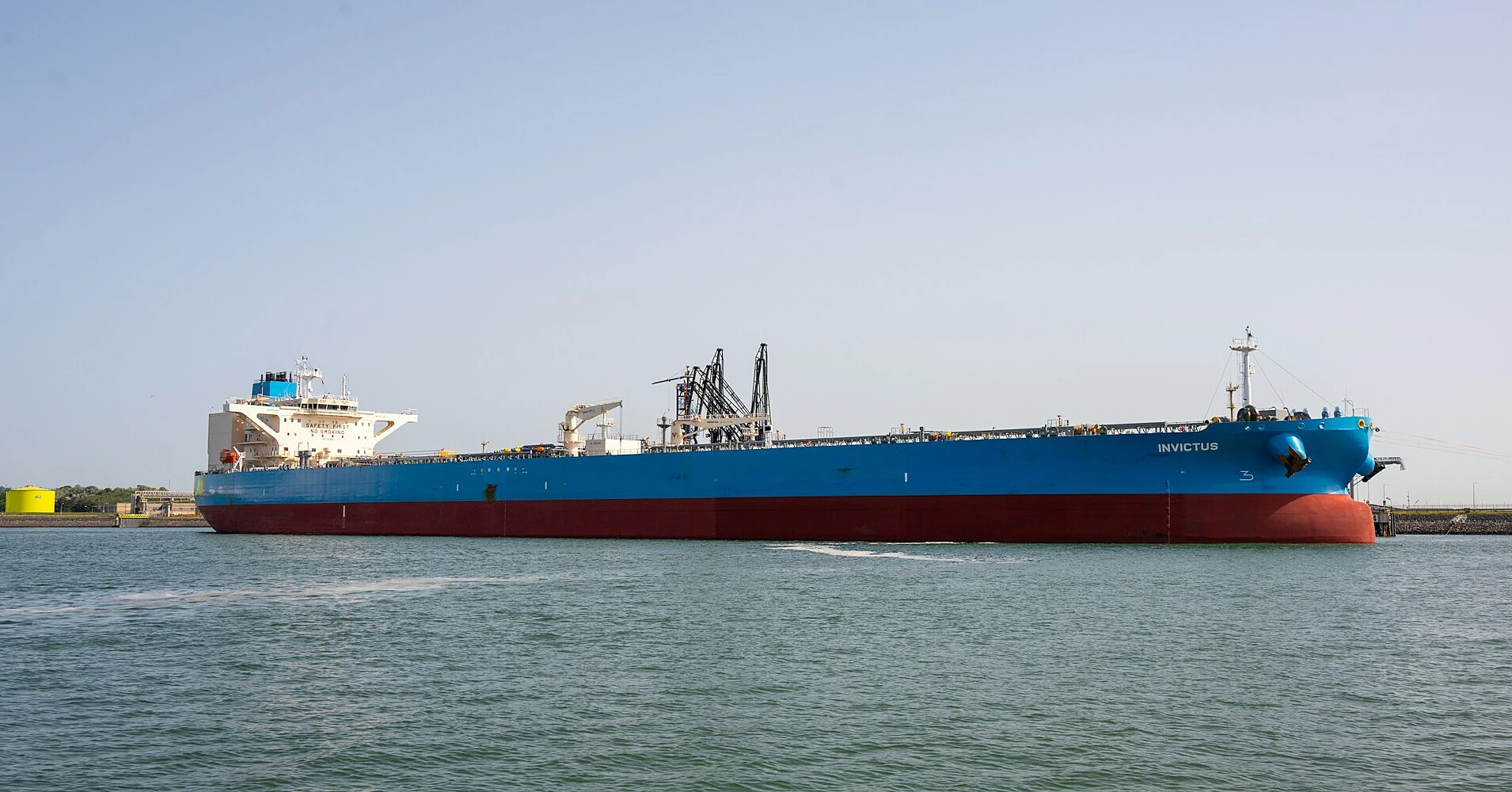
Oil prices went down again in trading on October 1 after almost 2 percent growth the day before. The market continues to fluctuate between the restoration of supplies from the Middle East and the risks of a new escalation around Iran and the Strait of Hormuz.
December Brent futures dropped below $97 per barrel, while American WTI traded near $89, reports Bloomberg.
Recent sessions demonstrate market instability: price rises and falls alternate, as traders try to assess how sustainable the restoration of supplies from the Persian Gulf region is.
Earlier, Kurs Ukrainy wrote that crude oil exports from the Middle East have already almost returned to pre-war levels. According to estimates of major banks and analytical companies, an increase in physical supply helps to ease the deficit on the world market.
At the same time, the restoration of supplies of petroleum products lags behind crude oil. This means that the situation with diesel, jet fuel and other refined products remains more tense than the overall figures of oil export show.
Additional uncertainty is created by the situation around the Strait of Hormuz. Negotiations between Washington and Tehran have not yet led to a long-term agreement that would finally normalize shipping through one of the key oil routes in the world.
US President Donald Trump stated that the United States has "full control" over the strait and will soon respond regarding further relations with Iran. Because of this, traders are not yet ready to completely remove the geopolitical premium from oil quotations.
Despite the current decline, September became the third consecutive month of growth for oil. Therefore, further price dynamics will largely depend on whether physical supplies from the Middle East continue to increase and whether the US and Iran manage to avoid a new escalation.
