
Three tankers hit during passage through Hormuz
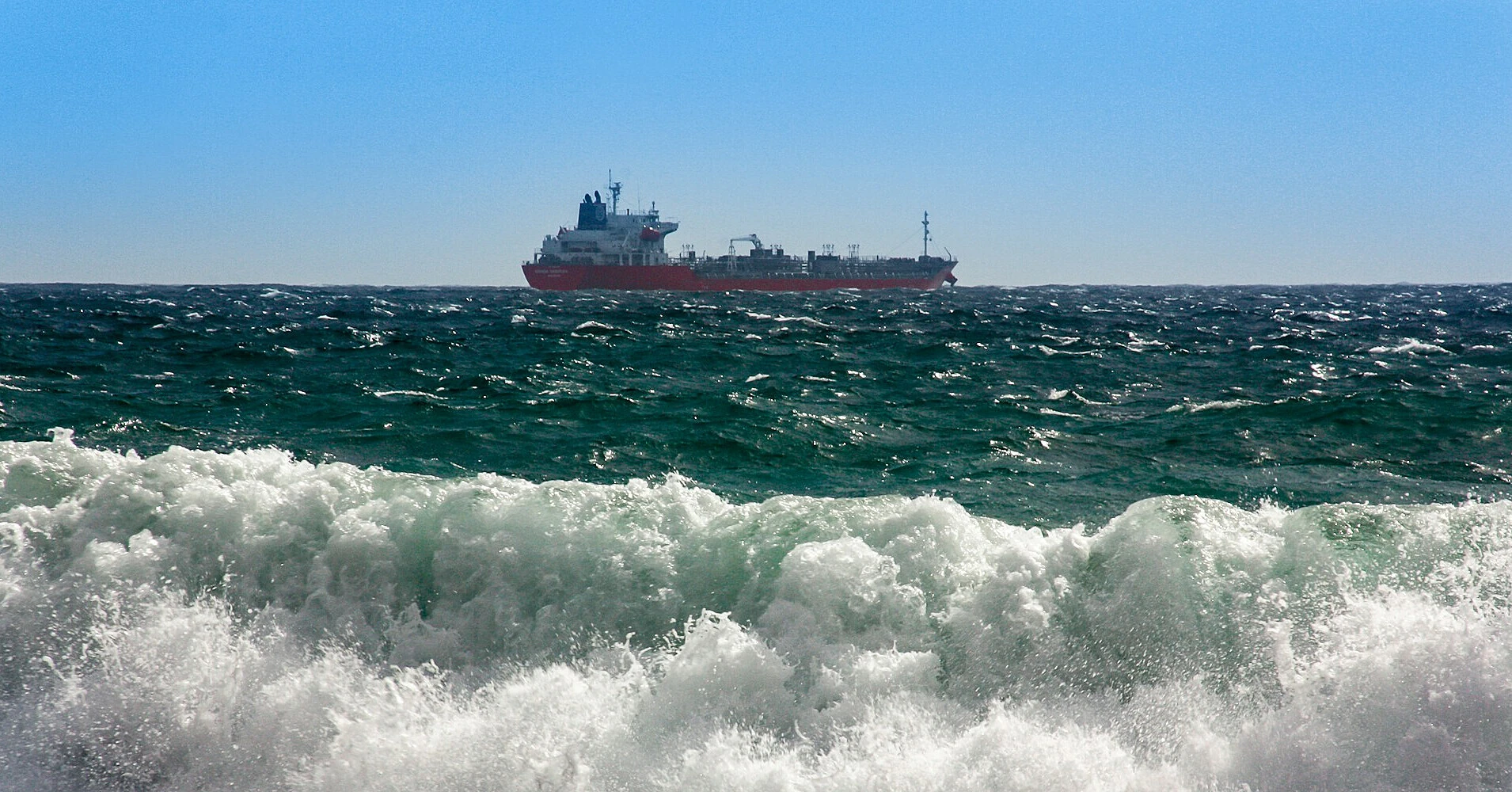
Three Liberian-flagged oil tankers were hit by unidentified projectiles while transiting the Strait of Hormuz on September 29. Information about the incidents appeared with a delay – the British maritime security center UKMTO released the corresponding reports on September 30. The party behind the attacks has not been officially identified.
Reuters, citing the maritime intelligence service Marisks, reported that "three Liberian-flagged oil tankers were struck by unknown projectiles."
According to Marisks, while transiting the strait, the vessels switched off their automatic identification system AIS transponders to reduce the risk of detection.
The tankers involved are Al Ruwais, Mersin Prosperity, and Sinbad. According to Kpler, cited by Reuters, Al Ruwais was conducting a diesel fuel transfer near Oman's Sohar in late September. The large crude carrier Mersin Prosperity in mid-September transferred about 2 million barrels of Iraqi Basrah crude to another vessel, and Sinbad loaded oil products in Saudi Arabia's Jubail in early September.
ADNOC Logistics & Services, which manages Al Ruwais and Mersin Prosperity, did not comment on the incidents to Reuters. Sinbad's operator, Anglo-Eastern Tanker Management, had also not provided a response at the time of publication. No data on casualties among the crews of these three vessels or significant marine pollution has been reported so far.
These attacks are part of a series of incidents in the Strait of Hormuz. Seatrade Maritime reports that UKMTO released four delayed reports of strikes on vessels on September 28–29. The previous day, an unknown projectile also hit the tanker Al Funtas: a fire broke out on board, which was subsequently extinguished, and the crew was not injured.
Regarding the three incidents on September 29, UKMTO reported hits on the hulls of vessels while transiting the strait. The extent of damage remains unclear. Maritime authorities continue the investigation and recommend that vessels exercise increased caution when transiting the area.
The Strait of Hormuz remains one of the key routes for global trade in oil and petroleum products, so attacks on commercial vessels in this area directly increase risks for carriers, insurance companies, and energy resource supply.
Based on materials from: Reuters, Seatrade Maritime News, UKMTO
