
US moving Marines to the Baltic Sea for NATO operation
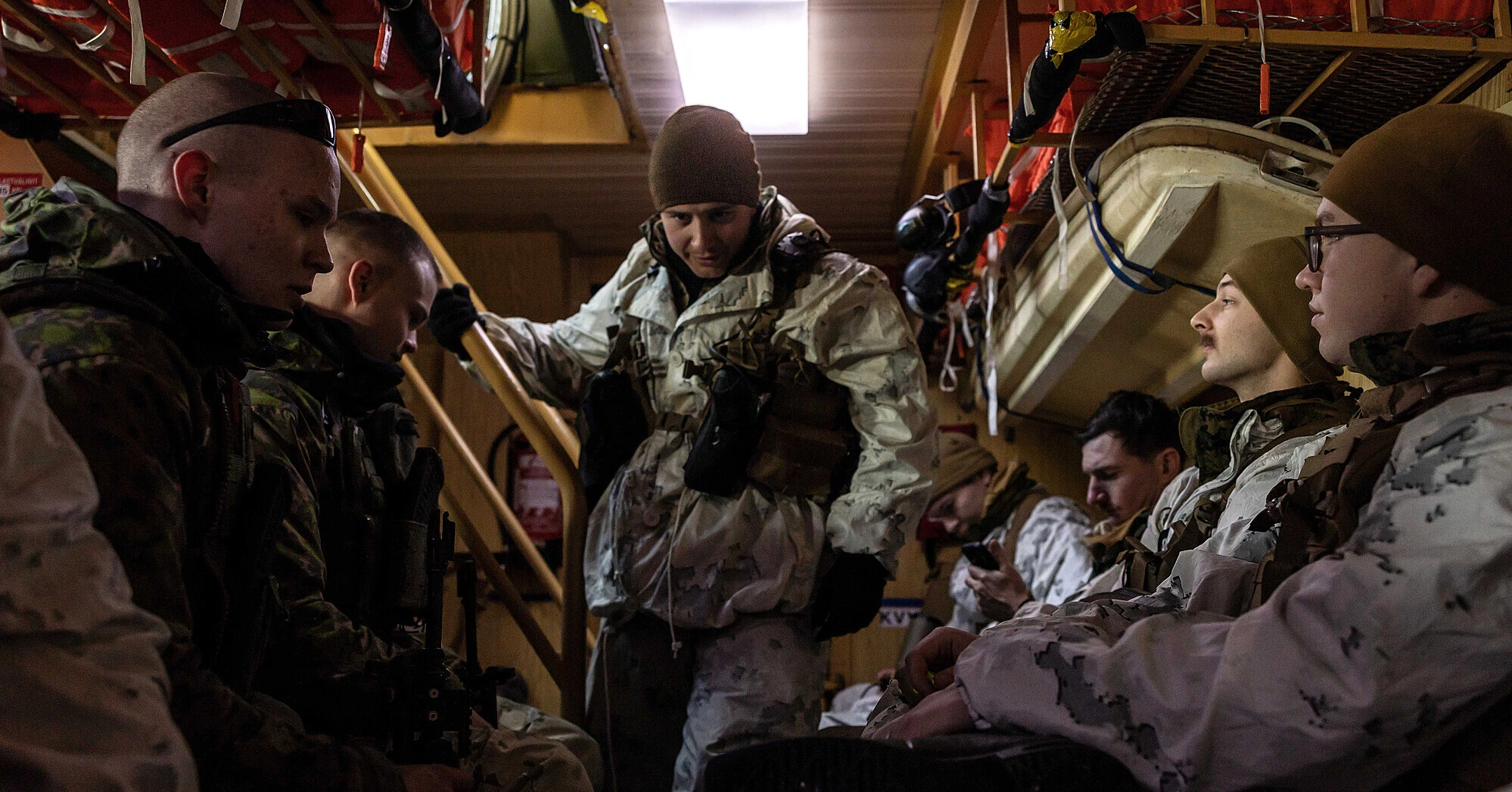
The United States will deploy a specialized group of Marines to the Baltic Sea region to participate in NATO's Baltic Sentry operation, aimed at protecting critical underwater infrastructure and enhancing maritime situational awareness.
According to the US Department of War, the operation will involve about four dozen service members from the 2nd Reconnaissance Battalion, US Marine Corps, who are already deployed in Europe.
The American troops will work together with the Finnish Coastal Brigade. Their task will be expeditionary surveillance and tactical reconnaissance to improve situational control in the Baltic Sea.
The Marines will use, among other things, small unmanned aerial systems and coastal sensors. The data they obtain will be transmitted to NATO's joint operational system. This is expected to help the Alliance more quickly detect potential threats to undersea cables and other critical infrastructure.
Baltic Sentry is being conducted under the leadership of European allies through NATO's Joint Force Command Brunssum and the Alliance's Maritime Command. In this case, the US will play a supporting role, providing specialized reconnaissance capabilities.
Major General Daniel Shipley, commander of US Marine Corps Forces Europe and Africa, said that the participation of American forces should enhance the allies' ability to jointly counter hybrid threats in the Baltic region.
The decision to deploy Marines comes amid a sharp escalation of rhetoric between Russia and NATO over the Baltic Sea. On September 30, Reuters reported that Moscow had sent the Alliance an unofficial diplomatic document warning of possible use of nuclear weapons if attempts were made to isolate the Kaliningrad region from the rest of Russia.
In response, NATO emphasized the defensive nature of the Alliance's activities and condemned Russian threats to use force, including nuclear rhetoric.
Based on materials from: US Department of War, Reuters, European Pravda
