
G7 to release 100 million barrels of oil and diesel onto the market
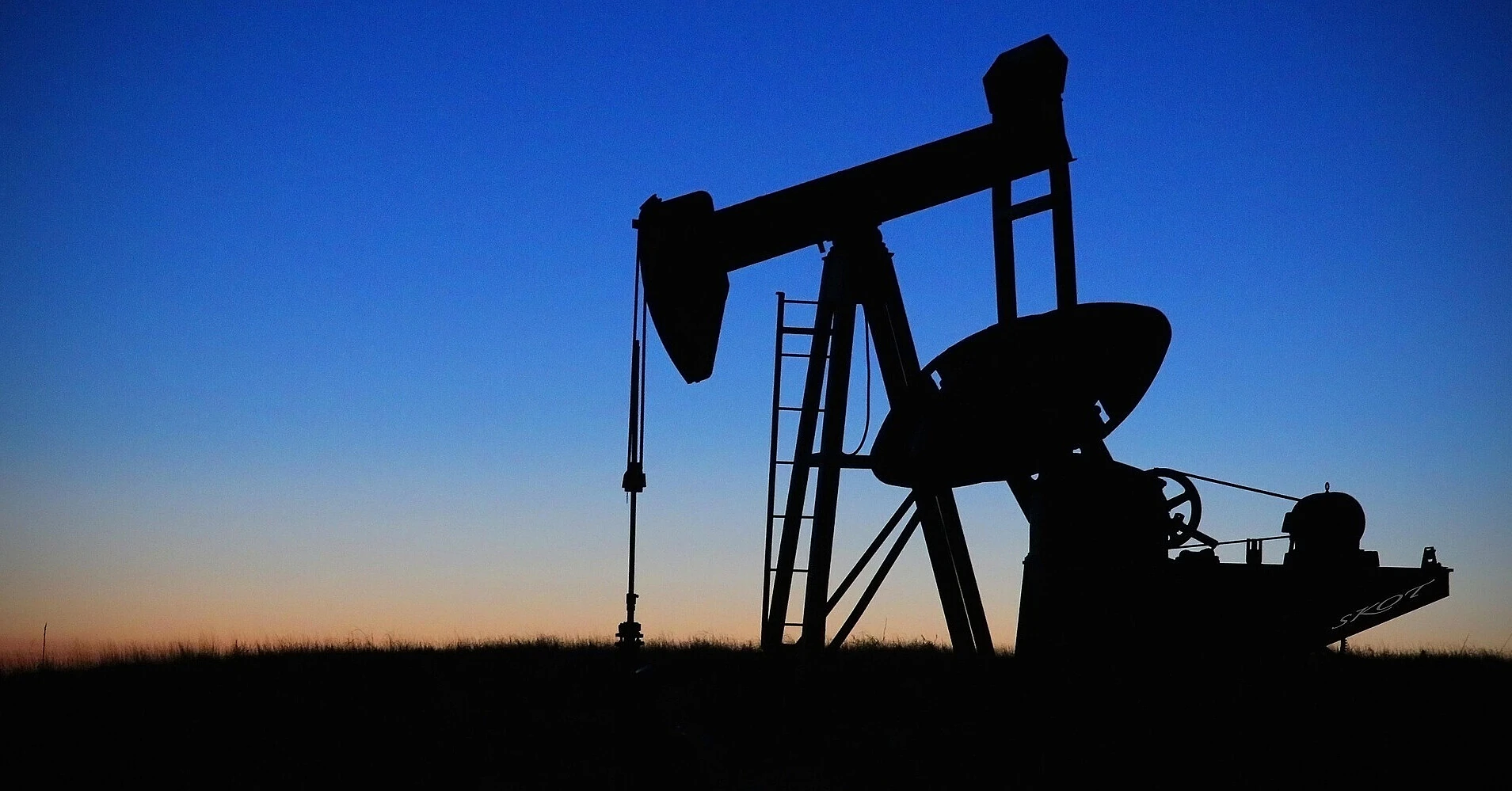
The Group of Seven countries agreed on a coordinated release of 100 million barrels of oil and petroleum products from strategic reserves. The decision was made against the backdrop of a sharp rise in energy prices and a diesel fuel shortage on the global market.
This is stated in a joint statement by G7 leaders following a virtual meeting on October 2.
The release of reserves will be coordinated through the International Energy Agency and will begin immediately. The entire agreed volume is planned to be put on the market within four months.
At the same time, the authorities intend to accelerate specifically diesel fuel supplies. G7 countries and partners should release a significant volume of diesel within the first 20 days. In the near future, IEA participants will also discuss whether additional use of diesel reserves will be required.
Simultaneously, G7 countries agreed to coordinate maintenance schedules for oil refineries in order to avoid simultaneous shutdowns of significant refining capacities. Where possible, enterprises are invited to temporarily increase utilization.
Particular attention is paid to diesel fuel, whose shortage has become one of the main problems of the energy market in recent weeks. The G7 also called on other countries with large refining capacities to increase output of petroleum products.
Another decision concerns energy trade. The Group of Seven countries confirmed that they do not intend to impose restrictions on the export of energy and petroleum products to each other, and called on other producers to abandon bans that could increase market tensions.
The G7 decision has already had a noticeable impact on prices. Amid discussion and the subsequent announcement of the reserve release, Brent dropped below $100 per barrel on October 2. American WTI lost about 4%, and European gasoil futures, which are a benchmark for diesel prices, fell by more than 5%.
Just the day before, Brent was trading above $100 per barrel. Pressure on the market increased due to tensions in the Middle East, supply disruptions, and problems in the refining sector.
The G7 statement specifically mentions the situation around Iran and the Strait of Hormuz. Leaders called for fully restoring freedom of navigation through the strait, which is of key importance for global oil and petroleum products supplies.
At the same time, the sanctions policy towards Russia will not change. G7 countries stated that they will continue current restrictions, while cooperating with the International Energy Agency and other partners to reduce the consequences of the energy crisis for fuel and gas markets.
The IEA has been tasked with monitoring the implementation of the agreements and their impact on prices and supply stability. The first report with an assessment of the situation and possible additional measures should be prepared within 20 days.
Based on materials from: Élysée Palace, iROZHLAS, MarketWatch
