
EU and China to hold talks to avoid a trade war
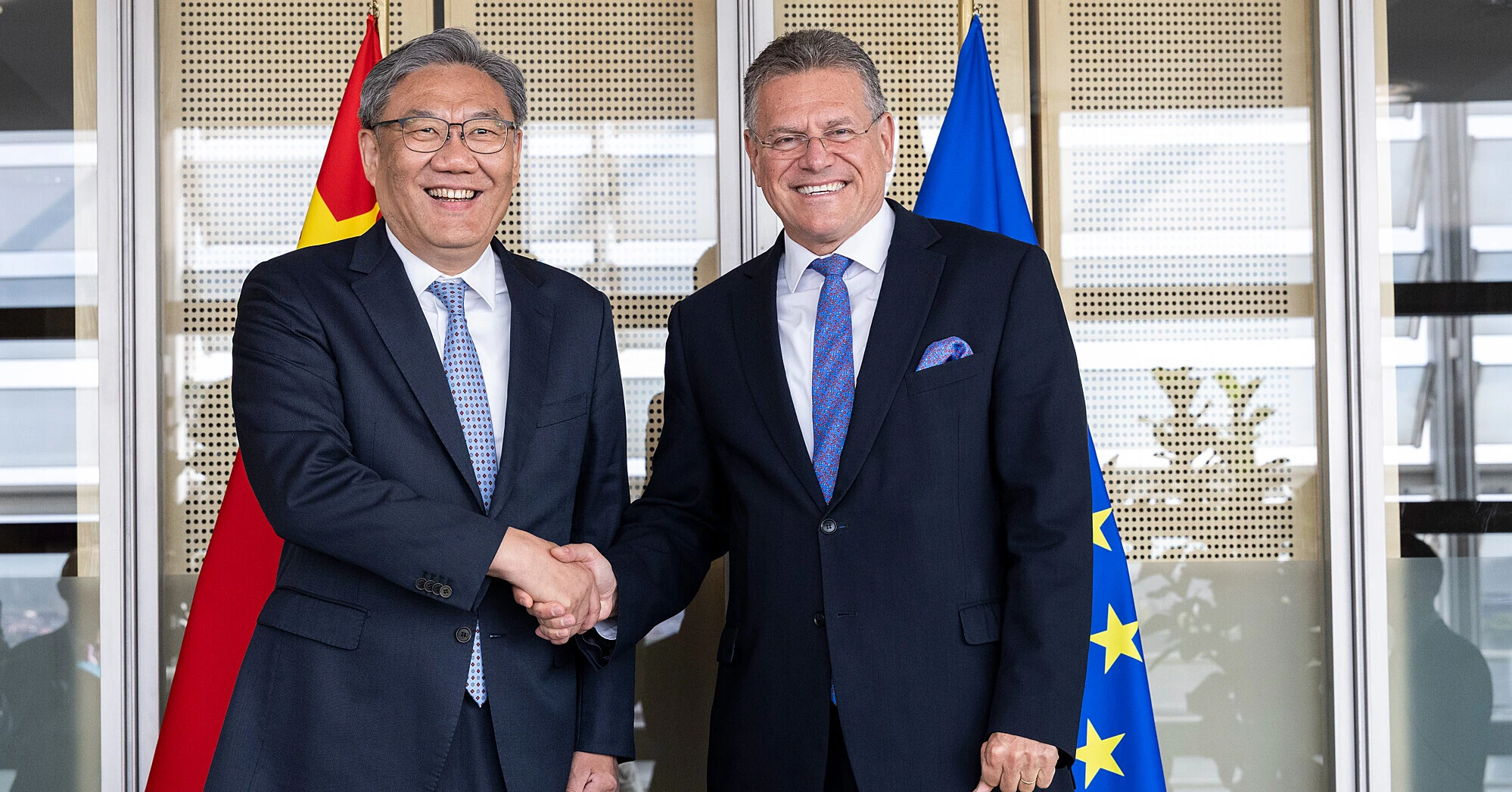
The European Union and China will hold a key round of trade talks in Beijing on October 8-9. Brussels expects concrete steps from the Chinese side to reduce the huge trade imbalance and anticipates new protective measures if an agreement cannot be reached.
European Commissioner for Trade Maroš Šefčovič will travel to Beijing for talks and will meet with Chinese Commerce Minister Wang Wentao. The European Commission names three main problems: the rapid growth of Chinese exports to Europe, limited market access for European companies to China, and Chinese restrictions on exports of rare earth materials.
As early as June, the EU set October as the deadline for obtaining tangible results from Beijing. According to the Financial Times, the EU's trade deficit with China currently stands at about €1 billion per day. Brussels has warned that if there is no progress, it may resort to new trade tools, which are planned to be discussed at the EU leaders' summit at the end of October.
Among the requirements discussed by the parties is a voluntary restriction by China on exports of certain goods to the EU. In particular, Brussels raised the issue of curbing supplies of plug-in hybrids and certain chemical products. Sales of Chinese hybrid cars in Europe are growing rapidly against the background of European automakers' problems.
On the eve of the talks, the trade dispute continued to intensify. The EU opened three anti-dumping investigations into Chinese chemical products. In response, Beijing launched its own investigation into imports from Europe of paranitrotoluene, a chemical used in the production of dyes, medicines, pesticides, and pigments.
The Chinese side claims that in 2022-2025, European supplies of this product remained high, while prices fell by about 60%. The investigation is another episode in a series of mutual trade measures between Beijing and Brussels.
Rare earth materials remain a separate problem. The EU states that Chinese export restrictions create risks for European manufacturers that depend on the supply of this raw material. During previous consultations, the parties agreed to establish a mechanism for joint monitoring of trade flows, but Brussels now expects concrete results.
The talks on October 8-9 should show whether Beijing is ready to make concessions on exports and access of European companies to the Chinese market. If there is no substantial progress, the EU may switch from negotiations to new measures to protect its market.
Based on materials from: Financial Times, South China Morning Post, European Commission
