
Subsidies for electric cars in Germany exceeded government expectations
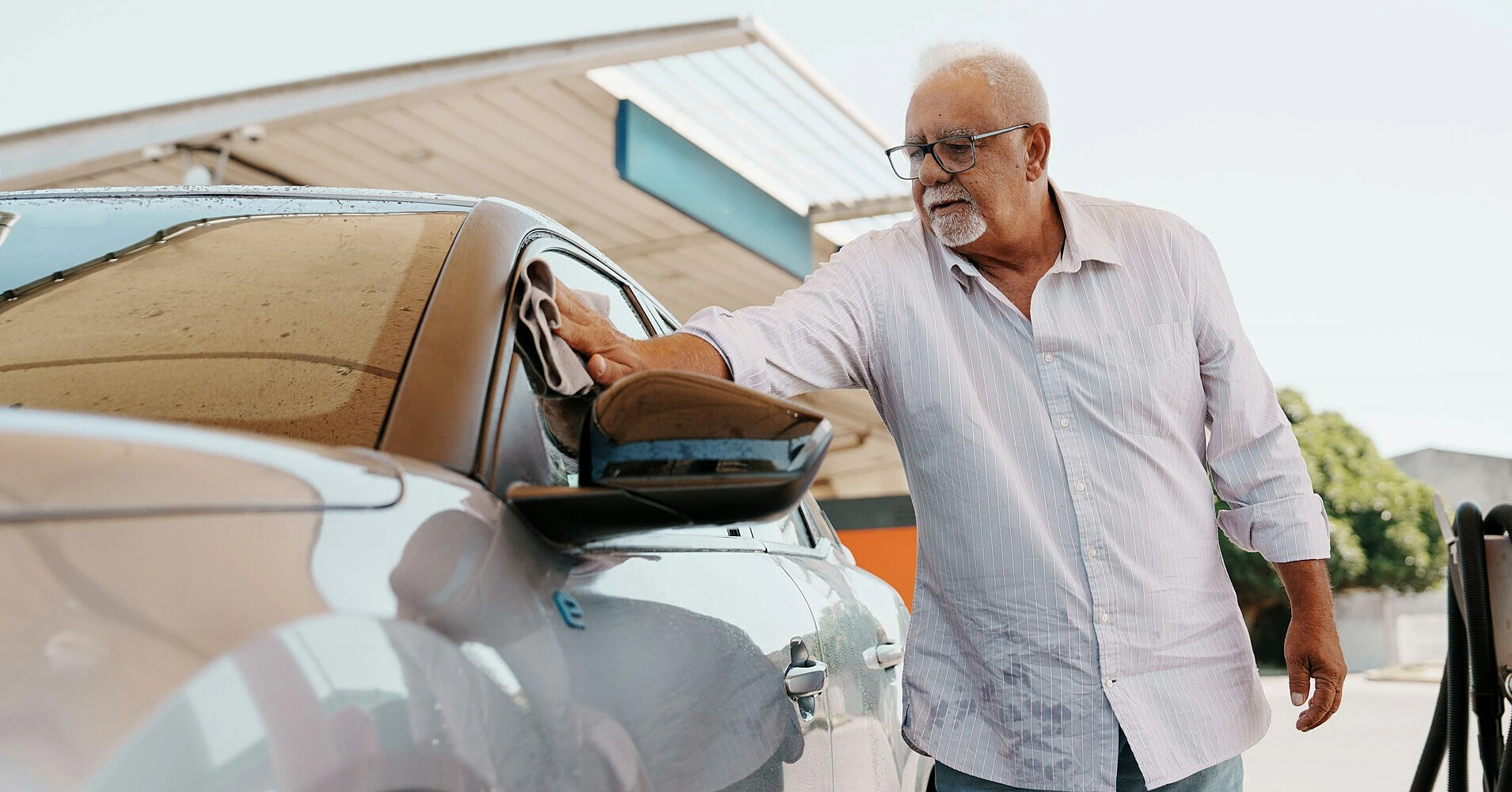
In Germany, 100 thousand applicants have already received state subsidies for the purchase of electric cars since May. The government says demand for the new program turned out to be significantly higher than initial expectations.
According to Federal Environment Minister Karsten Schneider, the program has made it possible to expand the circle of electric car buyers at the expense of households with low and middle incomes. Half of subsidy recipients have an annual household income of no more than 45 thousand euros, and three quarters have up to 60 thousand euros.
The German government also dismissed concerns that buyers of Chinese cars would become the main recipients of state support. According to the first results of the program, models of Chinese production account for less than 15% of applications.
State aid can be received when purchasing or leasing a new fully electric car, some plug-in hybrids, and electric cars with a range extender. The car must be registered for the first time no earlier than January 1, 2026.
The payment amount depends on the type of car, household income, and the number of children and can reach 6 thousand euros. Private individuals with a taxable annual household income of up to 80 thousand euros are entitled to the program. The limit increases by 5 thousand euros for each child, but up to a maximum of 90 thousand euros.
The government allocated a total of 3 billion euros for the program. According to authorities' estimates, these funds should be enough for approximately 800 thousand cars in 2026-2029.
It was previously reported about the launch of the new subsidy program in Germany. At that time, the government opened the acceptance of applications and set the maximum amount of aid at 6 thousand euros. The current data became the first major summary of the program's work after its launch.
Based on materials from: Tagesschau, Germany's Environment Ministry, Kurs Ukrainy.
