
Estonia moves troops closer to border with Russia
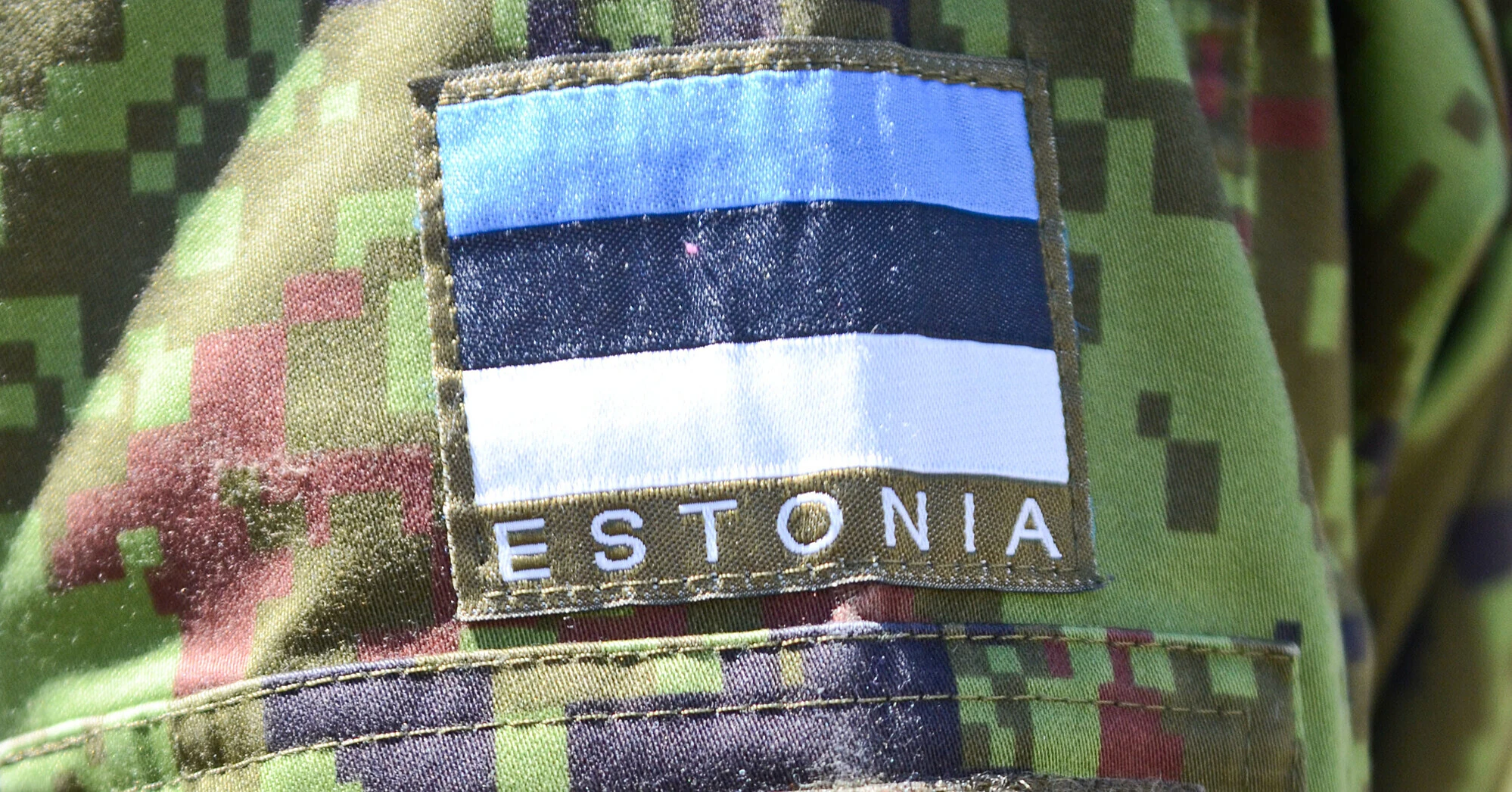
Estonia is changing its approach to defense against potential Russian aggression and is continually moving military units closer to the eastern border. Simultaneously, the country is expanding capabilities for strikes on targets at significant distances and building new military infrastructure.
The new model is called "active defense". It envisages that Estonian forces should try to stop the enemy directly at the border, rather than retreat deeper into the country, buying time until the main forces of NATO allies arrive.
One of the main steps will be the relocation of the 1st Infantry Brigade from Tapa to Jõhvi, approximately 50 km from the Russian border. Military infrastructure there is already being expanded for permanent deployment of additional forces.
A separate military complex is being created in Narva, directly at the border with Russia. It will have a capacity of up to a thousand military personnel. About 200 fighters are planned to be stationed there permanently, and the remaining places will be used to reinforce the grouping in case of a crisis.
The principle of "active defense" has been officially incorporated into the updated National Security Concept of Estonia. The document provides for increased readiness to act quickly in the event of a threat and places greater emphasis on preventing the seizure of Estonian territory.
According to the Financial Times, the military's decision was significantly influenced by the experience of Russia's war against Ukraine. Estonian planners concluded that a strategy under which part of the territory could be temporarily left to the enemy creates too great a risk: the Russian army is capable of consolidating on captured positions and continuing combat operations despite heavy losses.
In parallel, Tallinn is increasing long-range capabilities. Estonia has already received six American HIMARS launchers and has ordered three more. In addition, the country has concluded contracts for a total of nine South Korean Chunmoo systems. Some missiles for these systems are capable of striking targets at approximately 300 km.
Estonia's defense spending in 2026 increased by 42% - to 2.4 billion euros, or 5.4% of GDP. More than half of the defense budget this year is allocated to the procurement of weapons and other military equipment.
Estonian military and intelligence, according to FT, currently do not expect a full-scale war between Russia and NATO in the next two years. At the same time, among possible scenarios, they are considering a limited operation near the border, which could be aimed at testing the readiness of allies to apply the collective defense mechanism.
NATO is also strengthening its presence in the country. The United Kingdom has agreed to increase the size of its unit in Estonia, and additional allied forces are to remain at high readiness for rapid deployment.
Based on materials from: Financial Times, Estonian Government Office, Estonian Ministry of Defence
