
Prime Minister's party wins Latvian election amid growing critics of aid to Ukraine
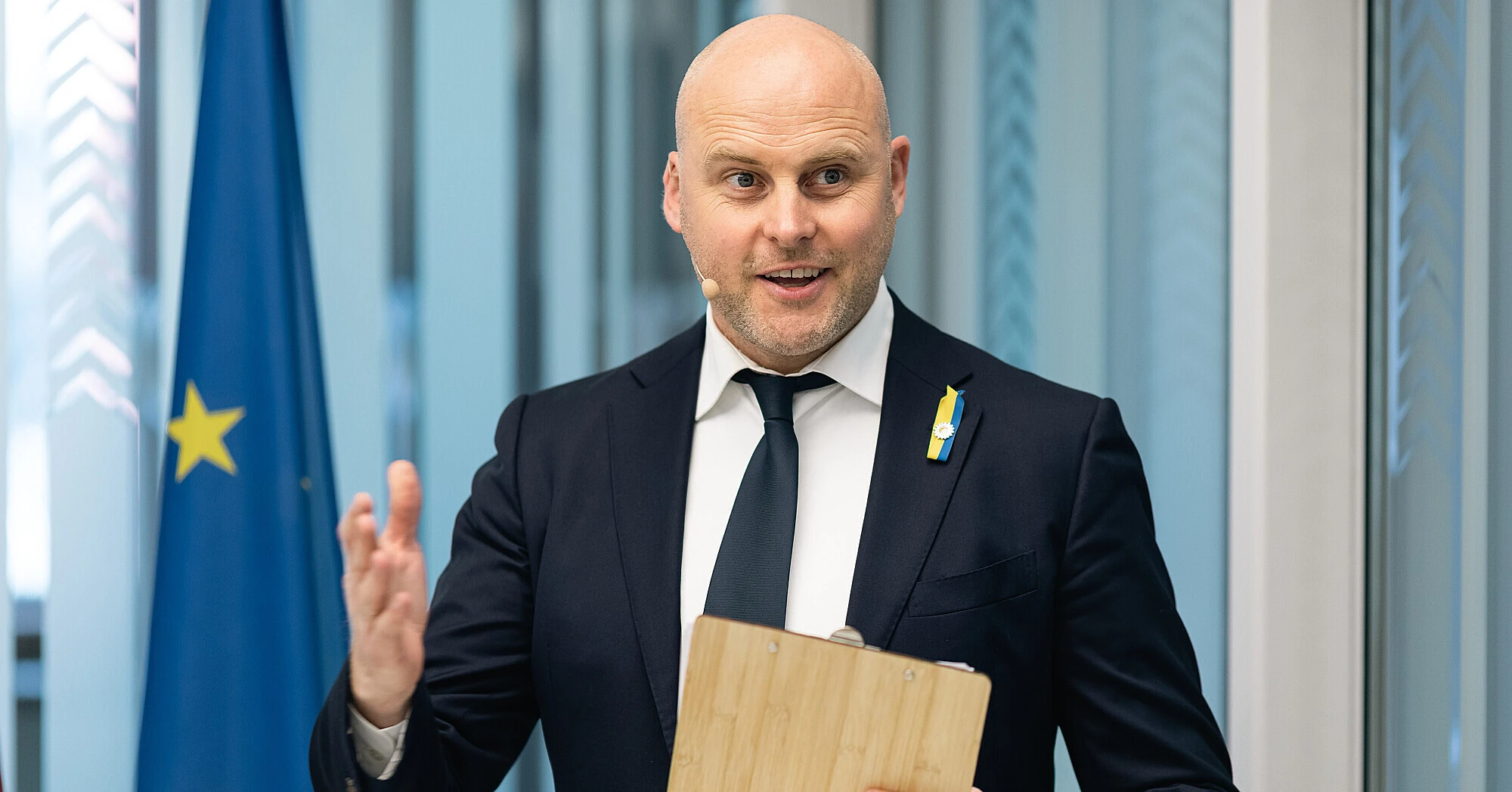
In the Latvian parliamentary elections, the centrist "United List" of incumbent Prime Minister Andris Kulbergs, who advocates continued support for Ukraine and a tough policy towards Russia, won decisively. At the same time, second and third places were taken by political forces that expressed significantly more criticism during the campaign regarding the current scale of aid to Kyiv.
According to the final data from the Central Election Commission, the "United List" received 35.29% of the votes and 41 of the 100 seats in the Saeima. Almost 284 thousand voters voted for it. Turnout was 51.79%.
Second place went to the party "Latvia First" of businessman Ainars Šlesers - 13.08% and 17 mandates. Third was "Sovereign Power / Union of New Latvians", which received 11.71% and 15 seats.
Also entering parliament were the National Alliance with 8.9% of the votes and 10 mandates, "Progressives" - 7.88% and 10 seats, as well as "New Unity" - 6.36% and seven deputies. The Union of Greens and Farmers got 4.4% and did not cross the five-percent threshold.
Support for Ukraine was one of the notable foreign policy issues of the campaign. Kulbergs advocated its continuation, strengthening Latvia's air defense, and maintaining defense spending at 5% of GDP. After the elections, the prime minister also stated that economic ties with Russia make Latvia more vulnerable.
The position of "Latvia First" is more complex. The party condemned the Russian invasion, and its election program includes support for Ukraine's EU accession. In addition, in the previous composition of the Saeima, the faction supported the majority of decisions related to assistance to Ukraine. At the same time, over recent months Šlesers increasingly said that the Latvian authorities were overly concentrating on the war, and support for Ukraine was happening at the expense of domestic economic interests of the country.
A much tougher position is taken by "Sovereign Power". Its leader Jūlija Stepaņenko during the campaign explicitly opposed further funding of the war and stated that Latvia should primarily support Ukraine in peace negotiations. In an interview with Reuters, she also avoided a direct answer regarding support for economic sanctions against Russia.
Despite the high result of these two forces, they are mathematically not needed for Prime Minister Kulbergs to form a government. The "United List", the National Alliance, and "New Unity" together received 58 mandates - enough for a parliamentary majority.
Representatives of the "United List" already after the first results appeared stated that they intend, first of all, to negotiate with current government partners. The Union of Greens and Farmers, which is also part of the current coalition, did not make it to the Saeima this time.
Šlesers, for his part, even before the elections ruled out the possibility of a coalition with "New Unity", "Progressives", and "Sovereign Power". He specifically distanced the latter from his party due to differences that arose after Russia's full-scale invasion of Ukraine.
Thus, the new Saeima has significantly more deputies from forces critical of the current policy regarding Ukraine and Russia, yet parties that support continued aid to Kyiv retain the ability to form a parliamentary majority without their participation.
Based on: Central Election Commission of Latvia, LSM, Reuters
