
Nobel Prize in Medicine awarded for method of precise control of brain cells
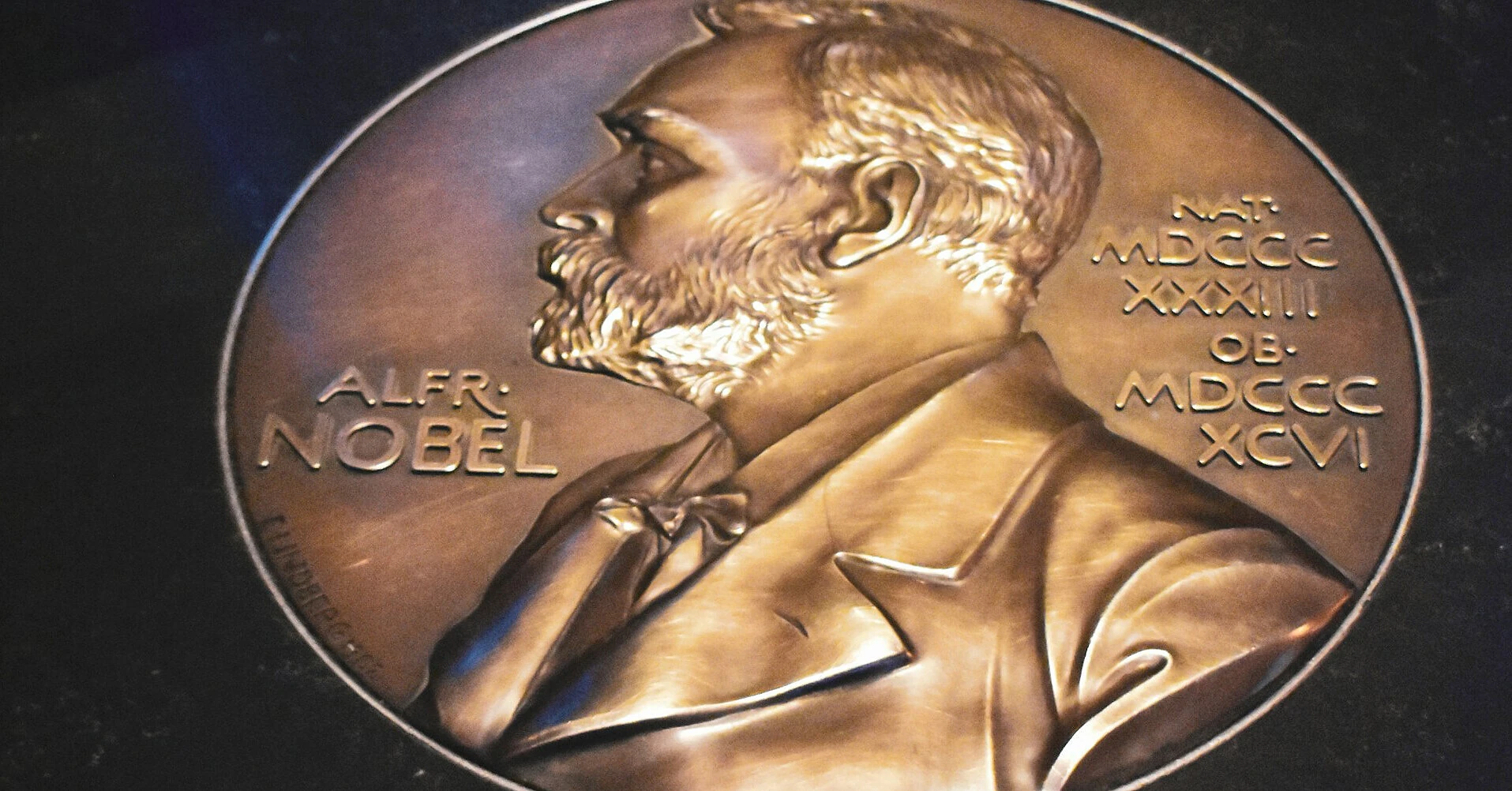
The 2026 Nobel Prize in Physiology or Medicine was awarded to Karl Deisseroth, Peter Hegemann, and Georg Nagel for discoveries related to light-controlled ion channels and the development of optogenetics.
The Karolinska Institute, which awards the prize in physiology or medicine, announced this on October 5.
Optogenetics allows scientists to precisely activate or inhibit individual nerve cells using light. This enables researchers to determine which neural circuits are responsible for specific memories, emotions, behaviors, and other brain functions.
The method is based on the discovery by Hegemann and Nagel. In the early 2000s, they studied single-celled algae and discovered the protein channelrhodopsin, which responds to light. Under blue light, the protein opens a channel in the cell membrane through which charged ions pass, generating an electrical impulse.
Deisseroth later transferred the channelrhodopsin gene to nerve cells. In 2005, he showed that light could trigger nerve signals, and two years later applied this principle in the brains of living mice. This led to the method now known as optogenetics.
The Nobel Committee noted that this technology has enabled research into brain function with a precision previously unattainable. The method is already widely used to study neural mechanisms of memory, emotions, and behavior, as well as processes related to neurological and psychiatric disorders.
Optogenetics is also being investigated for potential medical applications. In particular, researchers are exploring the possibility of using the method for partial restoration of vision in people with severe visual impairments.
Peter Hegemann works at Humboldt University of Berlin, Georg Nagel at the University of Würzburg, and Karl Deisseroth at Stanford University in the USA.
The 2026 prize amounts to 12 million Swedish kronor. The three laureates will share it equally.
Based on materials from: Karolinska Institute, Tagesschau
