
Russia loses oil and gas revenues despite expensive oil
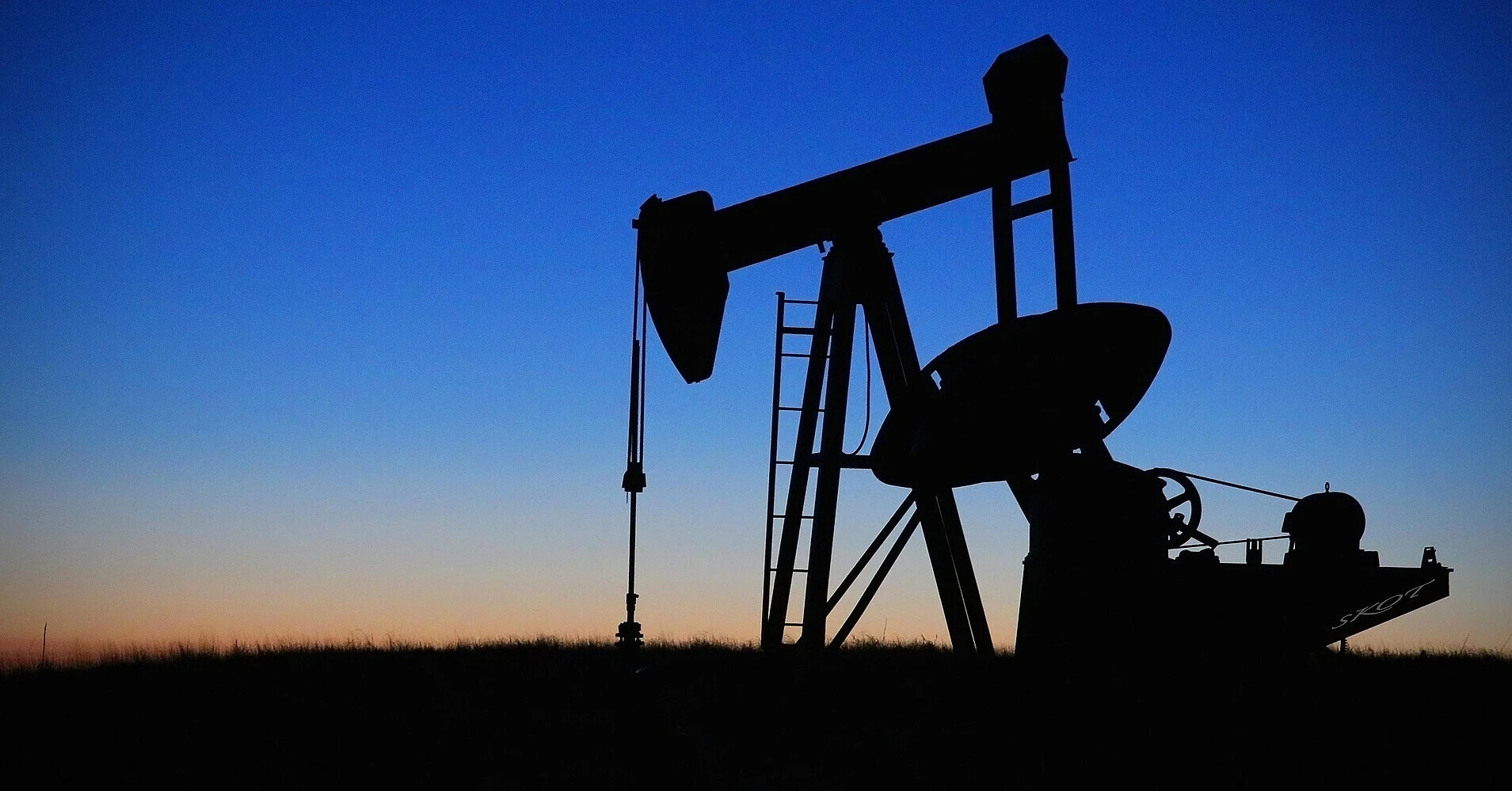
Russian budget revenues from oil and gas have noticeably decreased despite a sharp rise in the price of Russian oil. For the first nine months of 2026, tax receipts from the oil and gas sector fell by about 17% compared to the same period last year.
This was reported by Reuters, citing data from the Russian Ministry of Finance.
From January to September, receipts from oil and natural gas extraction amounted to 5.47 trillion rubles, whereas a year earlier they reached 6.61 trillion rubles. The oil and gas sector provides about 20% of Russian budget tax revenues.
The drop is taking place against a background of exceptionally high Russian oil prices. At the end of September, the main export grade Urals was trading above $92 per barrel — about twice as expensive as before the war between the US and Iran, when the price was around $45.
In April, the price of Urals rose to $113.89 per barrel — the highest level since 2013. The price increase was primarily due to supply disruptions from the Middle East.
However, expensive oil could not compensate for the reduction in Russian production. In August, crude oil production in Russia amounted to about 8.72 million barrels per day — more than 5.6% less than the January level of 9.24 million barrels, according to OPEC data.
Russia also worsened its forecast for oil and gas production and exports for 2026. The updated oil production forecast suggests the lowest annual figure in about 17 years.
Additional pressure on the industry is being exerted by Ukrainian strikes on Russian oil infrastructure. Attacks on refineries forced enterprises to reduce processing and became one of the factors in fuel shortages in various regions of Russia.
Restrictions also remain in export. According to traders, in September the volumes of oil shipments through Novorossiysk decreased. The port continues to operate below full capacity due to increased risks after Ukrainian attacks and a shortage of tankers.
Another reason for the decline in ruble oil and gas revenues was the strengthening of the Russian currency. In January–August, the ruble was on average about 9% stronger against the dollar than for the same period in 2025.
As a result, the calculated price of Russian oil for taxation for January–August increased only from $59.12 to $66.70 per barrel, significantly weaker than the actual increase in dollar prices for Urals.
The reduction in oil and gas revenues increases pressure on Russian public finances. The federal budget deficit of Russia in 2026 is now expected to be around 3% of GDP — almost twice as high as originally planned.
