
Euro weakens amid budget problems in Europe
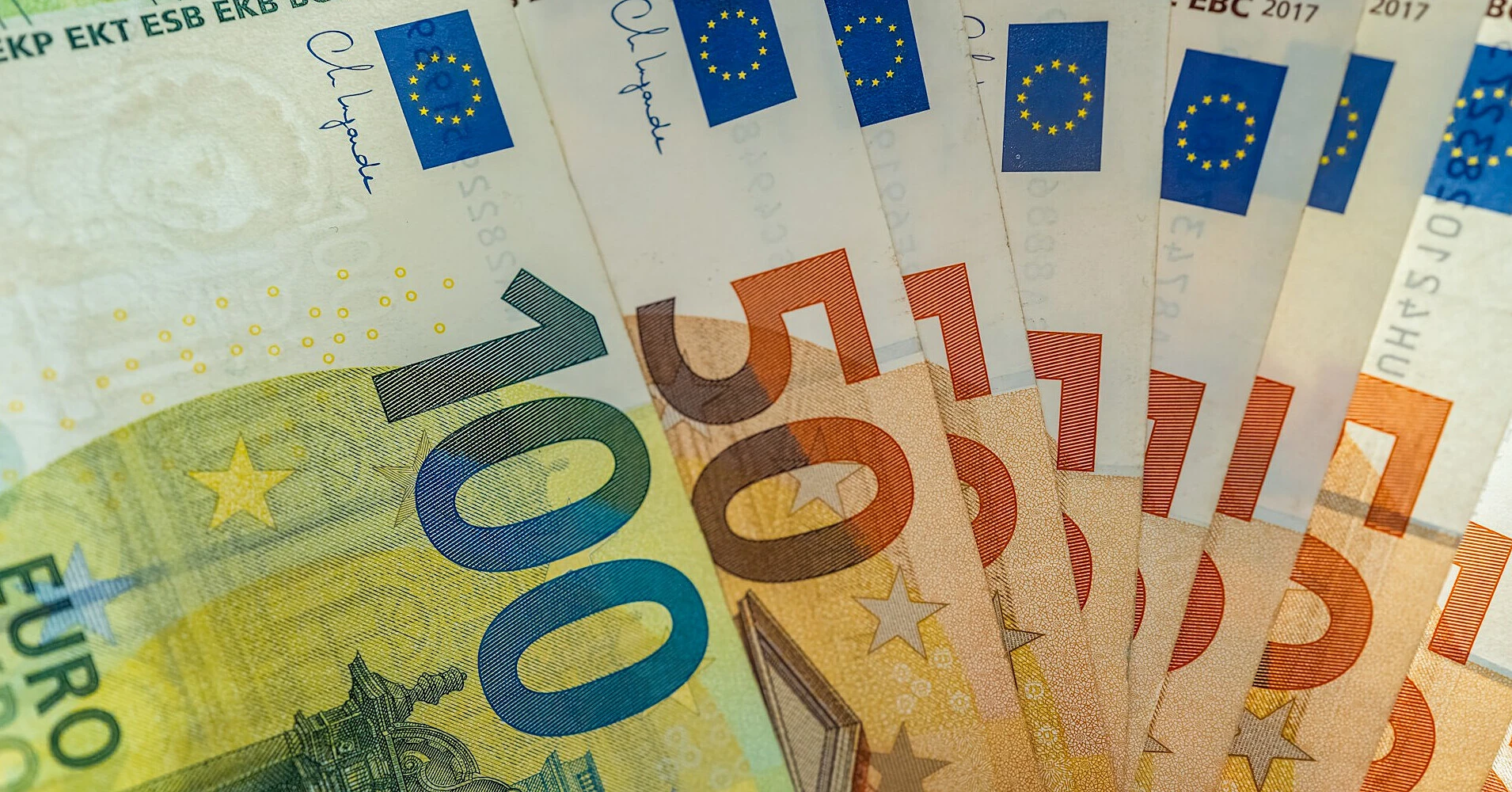
On Tuesday, October 6, the EUR/USD pair is trading in a narrow range of 1.1212-1.1231 dollars, and the day before the single European currency dropped to a 17-month low. Over the past week, the euro lost about 1.2%.
The main negative factor now is not so much the differences in monetary policy between the European Central Bank and the US Federal Reserve, but rather the political and fiscal instability within Europe itself.
Investors' attention is particularly focused on France. The rise in the cost of government borrowing and difficulties with budget approval are increasing concerns about the state of French public finances. The yield on French bonds has risen sharply, and the spread between French and German bonds has reached levels reminiscent of the eurozone debt crisis of 2010–2012.
An additional source of uncertainty is Spain: Prime Minister Pedro Sánchez announced early elections. Thus, political risks are simultaneously intensifying in several major eurozone economies.
Against this background, investors prefer more reliable assets, including German government bonds and the Swiss franc, while the euro is under additional pressure. At the same time, the dollar maintains its advantage due to the high yields of US Treasury bonds. The dollar index recently rose to an 18-month high.
Interestingly, weak statistics on the American labor market have not yet been able to turn the situation in favor of the euro. Weaker data reduced expectations of an imminent Fed rate hike, but persistent inflationary stability and high yields on US Treasuries continue to support the dollar.
What's next for EUR/USD
In the near future, the movement of the euro will probably be determined primarily by news from France, the dynamics of the European debt market, energy prices, and expectations regarding further actions of the ECB and the Fed.
From a technical point of view, an important near-term support remains the area of 1.1200 dollars. A confident breakdown of this level could open the way first to 1.1100, and then to the psychologically important mark of 1.1000. Some analysts already expect the euro to fall below 1.10 if the French budget crisis deepens.
Thus, short-term risks for the euro currently remain predominantly negative. For the situation to change, the market needs either stabilization of the political situation in France and Spain, or a noticeable reduction in energy risks, or a softer signal from the Fed. For now, the dollar maintains the initiative in FOREX.
