
The precious metals market enters a correction after a strong rally - overview
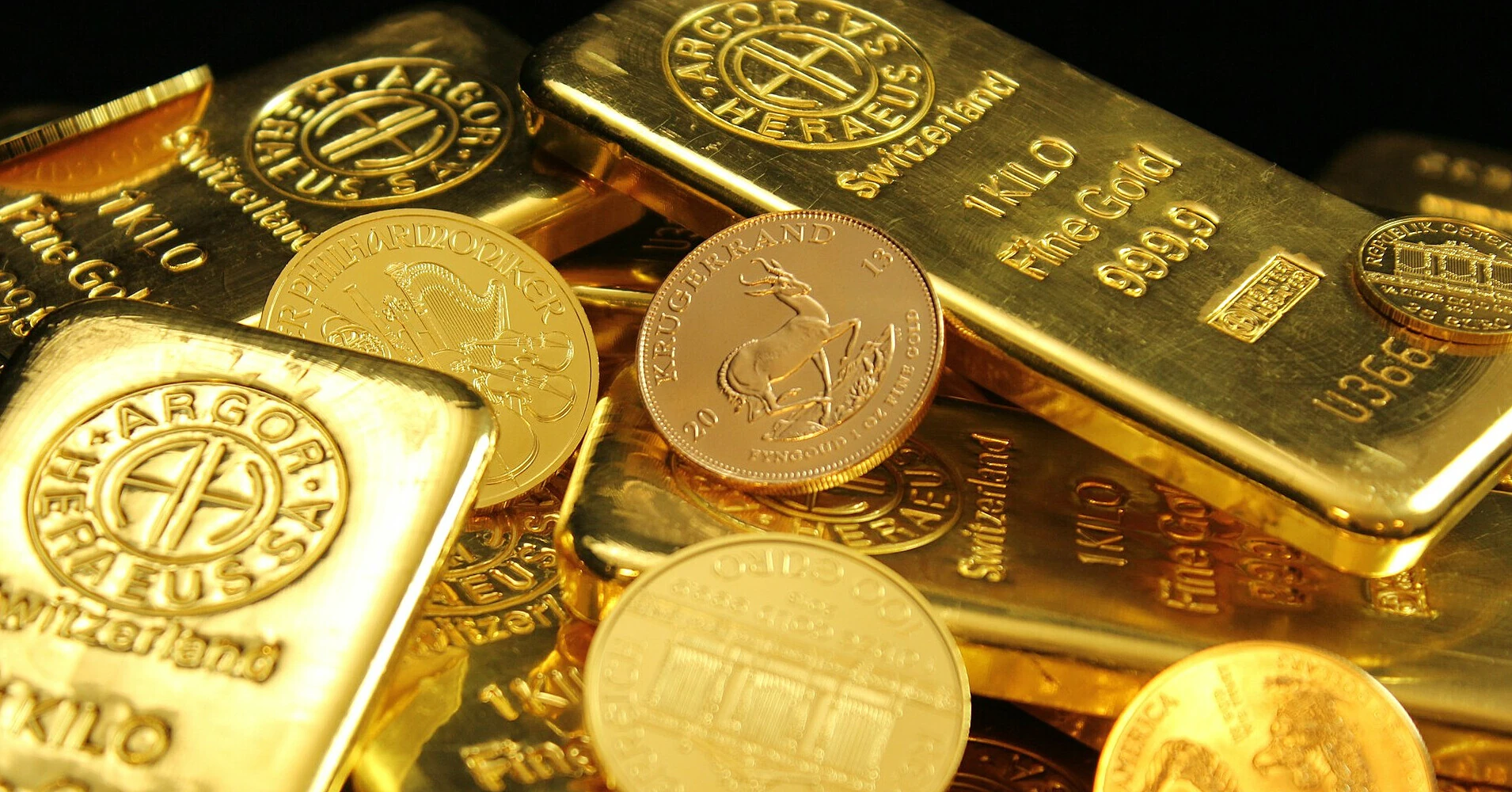
The precious metals market is going through a rather nervous period in early October 2026. After strong growth in previous months, investors are taking profits, while quotes are simultaneously pressured by a stronger US dollar and high US Treasury yields.
On October 6, the spot price of gold is around $4,130 per troy ounce, silver is trading near $60.6, platinum about $1,700, and palladium around $1,150–1,170 per ounce. Throughout the day, all four metals are under pressure.
The situation differs significantly among individual metals. Gold continues to serve as the main safe-haven asset, silver is characterized by much higher volatility, platinum gets support from limited supply and industrial demand, while palladium remains the most problematic segment due to structural changes in the automotive industry.
Gold: correction after a historic rally
Gold remains the main asset in the precious metals market. It now trades at about $4,100–4,150 per ounce, after a recent large-scale rally. On Tuesday, quotes fell by about 0.3% amid a stronger dollar and rising US Treasury yields.
The main problem for gold in the short term is the changing situation in the US government debt market. Yields on 10- and 30-year US bonds have risen to levels not seen for about two decades, which increases the opportunity cost of holding a non-interest-bearing asset.
However, fundamental factors remain favorable for gold. Weakness in the US labor market has reduced the likelihood of an immediate Fed rate hike in October. In addition, geopolitical risks persist, including tension in the Middle East, and the high level of US government debt continues to support demand for safe-haven assets.
Therefore, the current decline in gold looks more like a correction after strong growth than the start of a long-term bearish trend.
Silver: high volatility and dual nature of demand
Silver is currently near $60–61 per ounce. At the same time, silver's dynamics are much sharper than gold's: the metal responds simultaneously to investment demand and the state of global industrial production.
On the one hand, silver gets support from investors' interest in precious metals. On the other hand, it is widely used in industry, including electronics and energy technologies. Therefore, deteriorating expectations for the global economy can simultaneously pressure the industrial component of demand.
That is why silver remains one of the most interesting but also one of the riskiest metals. Its price can rise faster than gold during periods of strong demand for commodity assets, but also fall much faster during corrections.
For the silver market, the dynamics of the dollar, Fed interest rates, and the state of global industry are now especially important.
Platinum: a promising industrial metal
Platinum is trading at about $1,700–1,720 per ounce. On Tuesday it also fell slightly along with the rest of the precious metals market.
Unlike gold, platinum is much more dependent on industrial demand. A significant part of its consumption is related to the automotive industry, the chemical sector, and other industrial technologies.
At the same time, platinum has its own fundamental advantages: metal supply is limited, and production is concentrated in a relatively small number of countries. Therefore, disruptions in mining or growth in industrial demand can quickly change the market balance.
Its price ratio to gold remains an important factor for platinum. After gold's large-scale rally, platinum looks significantly cheaper than its historical rival, which may attract investors counting on the narrowing of this price gap.
Palladium: the most difficult market among the four metals
Palladium is now approximately in the $1,150–1,200 per ounce range. Its position differs noticeably from the gold and silver situation.
The main problem for palladium is related to the automotive sector. The metal was widely used in catalytic converters of internal combustion engine vehicles. However, the development of electric vehicles and the gradual change in the automotive market structure limit the prospects for traditional demand.
That is why palladium remains significantly more dependent on the industrial cycle than gold.
At the same time, a low price can attract buyers, especially if the automotive industry maintains high demand for internal combustion engine vehicles and hybrids. Therefore, sharp rebounds in palladium cannot be ruled out, although its long-term investment case looks less convincing than gold or platinum.
What will drive the market in the near future?
The main factor for all four metals will remain US Fed policy. A softer stance from the US central bank usually supports precious metals through lower bond yields and a weaker dollar. Conversely, high rates and a strong dollar create pressure on them.
The situation is now mixed: weak US employment statistics reduced expectations of a Fed rate hike in October, but at the same time, high Treasury yields and persistent inflationary pressure limit the metal's upside potential. In September, activity in the US service sector slowed slightly, but prices for production inputs rose to their highest since 2022.
Geopolitical risks remain an additional factor. Tension in the Middle East, the situation around Iran, and shipping problems near the Bab-el-Mandeb Strait can support demand for safe-haven assets. At the same time, rising oil prices increase inflation risks, which may force central banks to keep tight monetary policy longer.
Summary
As of today, gold remains the strongest long-term story among precious metals, driven by central bank demand, geopolitical risks, high government debts, and investors' desire to diversify assets.
Silver has greater growth potential, but also significantly higher volatility. Platinum looks interesting in terms of limited supply and industrial demand. Palladium remains the most difficult asset of the four due to structural changes in the automotive industry.
In the short term, all metals may remain under pressure while the dollar and US Treasury yields are at high levels. For gold, the market reaction to further US inflation and employment data, as well as the minutes from the last Fed meeting, which are expected to be published in the coming days, will be particularly important.
