
South Korean fuel was supplied to Russia on sanctioned tankers - The Guardian
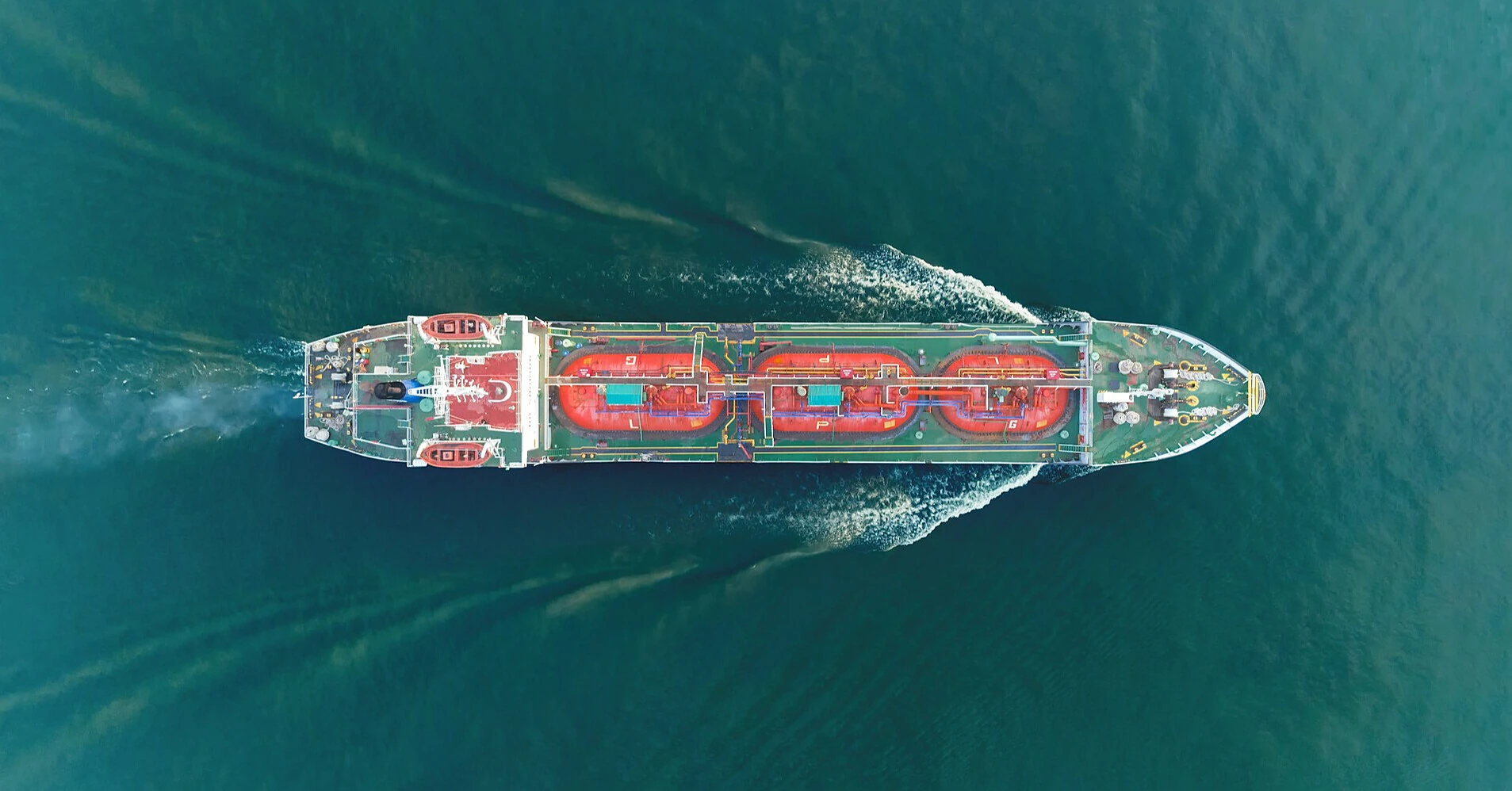
South Korea has become one of the major sources of imported fuel for Russia amid a shortage caused by problems at Russian oil refineries. Some of the cargo was carried by tankers under Western sanctions.
This is according to an analysis of port records and vessel tracking data conducted by The Guardian.
According to the outlet, in July and August 2026, more than 176,000 tons of fuel, mostly diesel, were loaded onto seven tankers in several South Korean ports. The vessels made a total of 14 voyages between the Russian Far East and South Korea.
Three tankers involved in the shipments are under sanctions imposed by the United Kingdom and the European Union. One of the vessels is also on Australia's sanctions list.
In some cases, the ships indicated a destination that did not match their actual route. In particular, the tanker Layla declared the Japanese port of Niigata as its destination on one voyage but headed to Vladivostok. Another tanker, Astoria, also declared Japan before proceeding to a Russian port.
Another sanctioned tanker, Chongchon, received about 26,000 tons of fuel without calling at a port – through a ship-to-ship transfer near the South Korean city of Yeosu. It then headed to Vladivostok, although the declared destination was Singapore.
Supplies from South Korea have surged amid a shortage of petroleum products in Russia. According to Kpler data cited by The Guardian, in August Russia imported 368,000 tons of petroleum products by sea – more than seven times more than a month earlier, and the largest monthly volume since the beginning of the full-scale invasion of Ukraine.
South Korea accounted for about 112,000 tons, or 31% of Russia's seaborne imports of petroleum products in August. It was second only to India in terms of supply volumes.
Among the buyers of the fuel, according to Kpler, were Russian state-owned Rosneft, which is under sanctions from the US, EU, UK and Australia, as well as the oil group NNK.
Russia's need for imported fuel increased after a series of Ukrainian strikes on its oil refining infrastructure. According to International Energy Agency data cited by The Guardian, refining volumes at Russian refineries in June fell to their lowest level in more than 20 years, and diesel production dropped by almost 30% year-on-year.
However, the fuel shipments themselves do not appear to violate South Korean law, the outlet notes. Seoul's sanctions restrictions on Russia mainly concern the export of industrial equipment, electronics, vehicles and other goods that could be used for military purposes.
South Korea's Foreign Ministry did not comment on the specific shipments or the use of sanctioned tankers. The ministry said the country supports international efforts to end the war in Ukraine and continues to monitor compliance with export restrictions on Russia.
It was previously reported that Russia began importing fuel more actively after reducing its own production. The new investigation for the first time shows the scale of shipments from South Korean ports over two months and the involvement of sanctioned vessels.
Sources: The Guardian, The Kyiv Independent
