
Collective lawsuit filed against McDonald's over use of AI in pricing
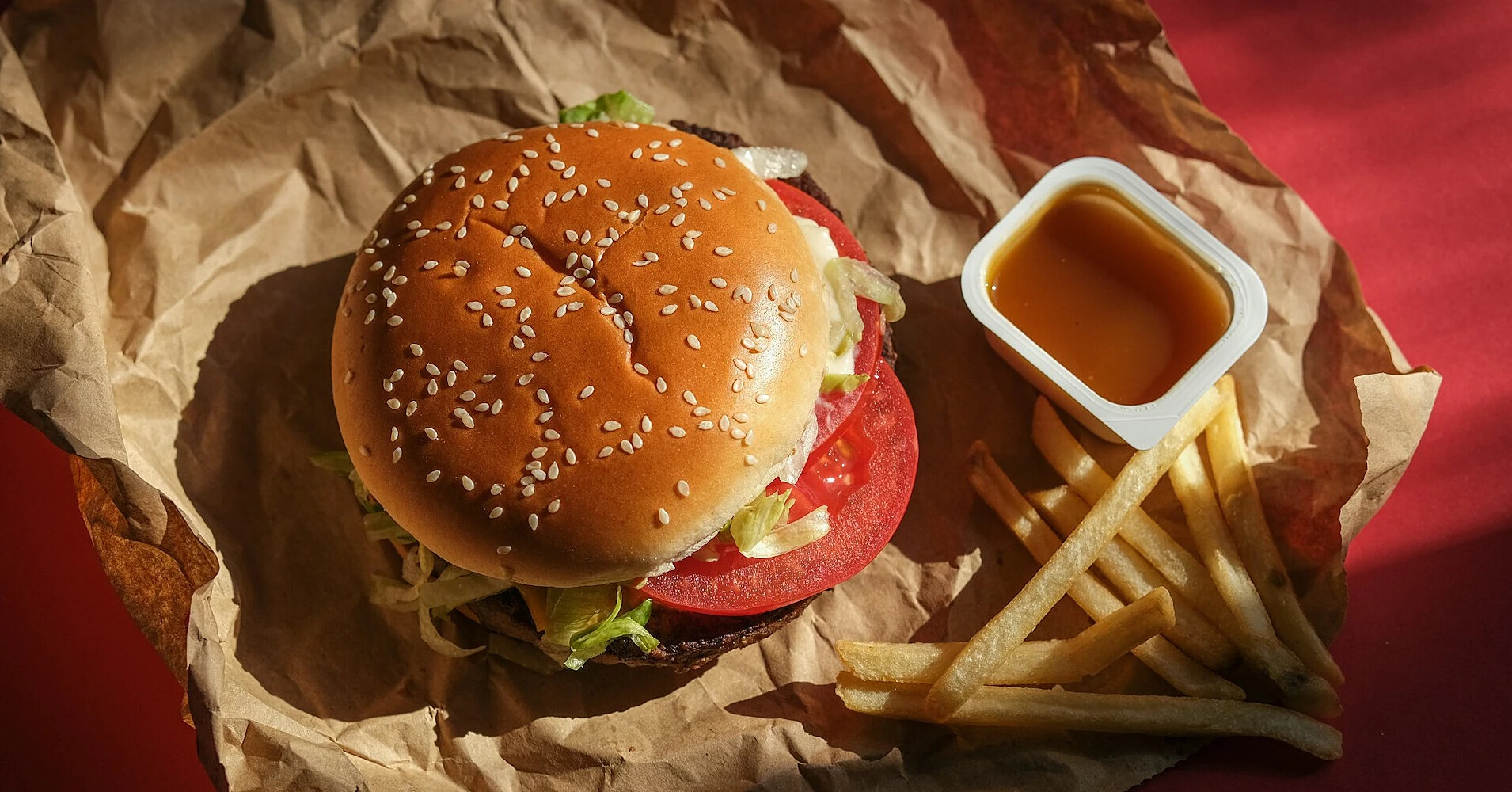
A lawsuit has been filed against McDonald's in the US, accusing the chain of using an algorithmic system to coordinate prices among thousands of restaurants. The plaintiff believes that such a mechanism may have violated American antitrust law.
The lawsuit was filed by network customer Michael Thomas on October 2 in the federal court for the Northern District of Illinois. According to the Justia court registry, the defendants are McDonald's USA and McDonald's Corporation, and the case concerns possible violation of Section 1 of the Sherman Act, which prohibits anti-competitive agreements.
Thomas asks that the case be treated as a nationwide class action. At the same time, the court has not yet recognized the claims as substantiated and has not granted the case class action status.
As reported by Bloomberg Law, the plaintiff claims that at least since 2019, McDonald's has used a centralized algorithmic price recommendation mechanism. According to the lawsuit, the system combined non-public sales data from both independent franchisees and company-operated restaurants.
Based on this data, the algorithm generated recommendations for the pricing of individual menu items. The plaintiff believes that the use of a common system could effectively coordinate pricing decisions of restaurants that are formally supposed to compete with each other.
This very aspect makes the case indicative for the algorithmic pricing market: the plaintiff is trying to apply classic rules against price collusion to a situation where recommendations are generated by a centralized technological system, rather than direct agreements between sellers.
McDonald's denies that artificial intelligence sets prices in its restaurants. As early as October 1, the company issued a clarification stating that its system only provides franchisees with recommendations for specific restaurants.
According to McDonald's, the franchise owner independently determines the final price and is not obliged to use the system's recommendations. The company also stated that it does not use dynamic pricing, where the cost of dishes would automatically change depending on the time of day or a particular customer's willingness to pay more.
Thus, the key question of the future review may not be whether the algorithm directly set prices, but whether a centralized recommendation system and the use of shared non-public data could limit the independence of franchisees in pricing.
Sources: Justia, Bloomberg Law, McDonald's
