
Oil prices hold near $100 as Hormuz shipments recover
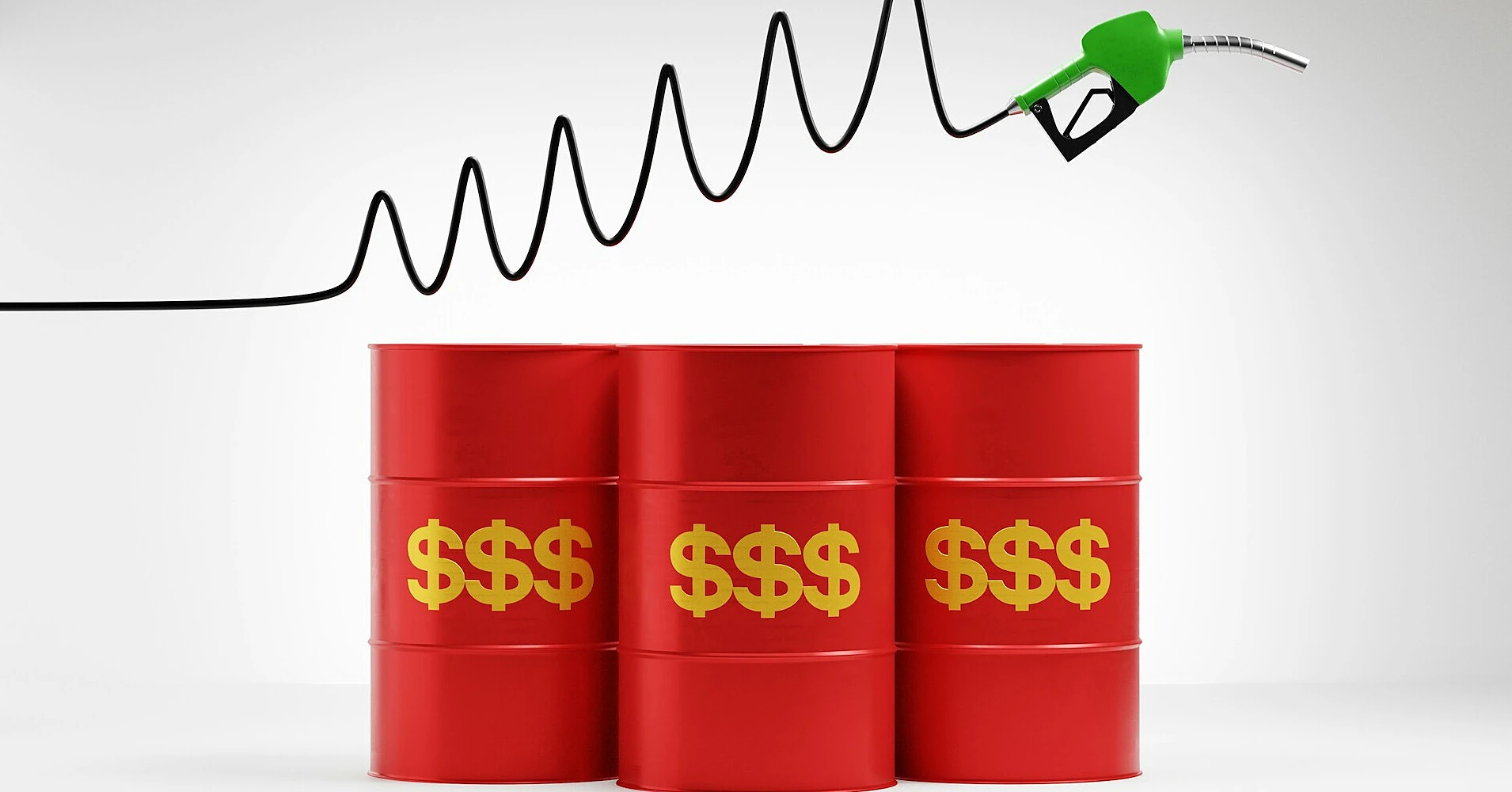
Global oil prices stabilized after falling nearly 2% the day before. The market is reacting to increased supplies from Persian Gulf countries and Saudi Arabia's sharp cut in prices for Asian buyers, which indicates a gradual easing of the deficit.
Bloomberg reports that benchmark Brent traded near $101 per barrel on October 6, while US WTI remained below $90.
One of the main factors pressuring quotations was the resumption of oil flows through the Strait of Hormuz. Gulf producers are increasing shipping volumes as more tankers once again pass through the strategic route, despite high security risks.
Kuwait reported that it is already producing oil at approximately 75% of pre-war levels with Iran. Iraq, meanwhile, is seeking additional tankers to increase transportation of its cargoes through Hormuz.
An additional signal of rising supply was Saudi Aramco's move. The Saudi state company cut the official price of its key Arab Light grade for Asian buyers to the lowest level in six years. According to The Wall Street Journal, the price for November deliveries was reduced by $3 per barrel to a discount of $5 against the regional benchmark. Saudi Arabia is trying to maintain market share amid the recovery of export capabilities in the region.
Despite this, oil remains significantly more expensive than at the start of the year. Brent has risen about 65% since the beginning of 2026 after the start of the war with Iran and supply disruptions from the Middle East.
Crude flows from the region are already close to pre-war levels, but the situation with refined products remains considerably tenser. Supply of diesel and gasoline remains particularly limited due to damage to refining capacity in the Middle East, as well as Ukrainian strikes on Russian refineries.
Against this backdrop, G7 countries and their partners have begun to additionally use strategic reserves. The Wall Street Journal reports a coordinated release of 100 million barrels of oil and diesel fuel from emergency reserves, which also increased pressure on quotations.
At the same time, risks of a new price spike remain high. Shipping through the Strait of Hormuz is still associated with the danger of attacks, and any new reduction in flows from the Persian Gulf could quickly bring a deficit back to the market.
Sources: Bloomberg, The Wall Street Journal
