
South Korea considers Ukraine's apology over POW scandal with North Korea insufficient
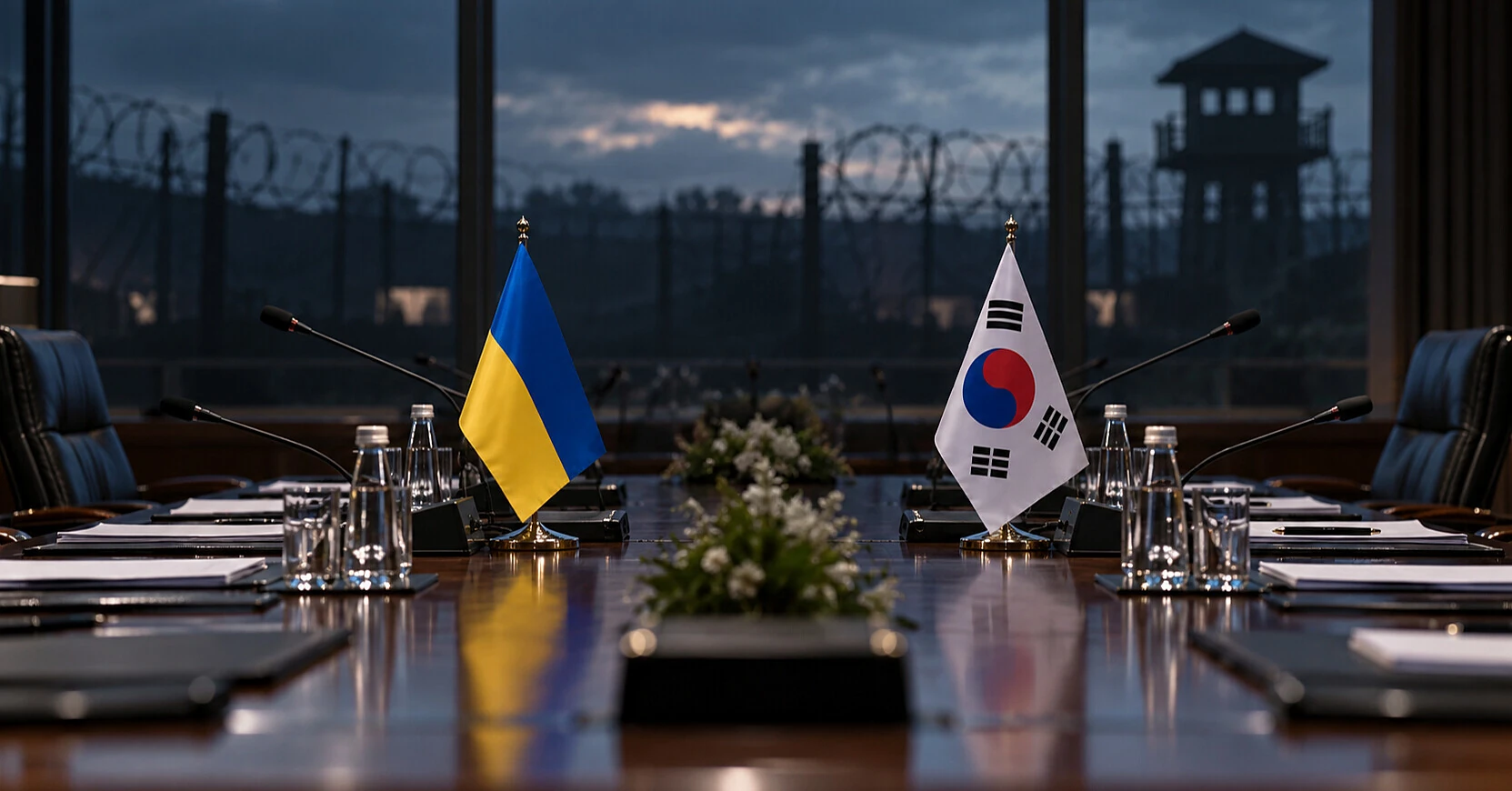
South Korea has received a message from Ukraine containing an apology for the disclosure of the transfer to Seoul of two captured North Korean soldiers, but considers it insufficient. South Korean authorities have stated they are considering further diplomatic measures, which may even include recalling the ambassador from Ukraine.
This was stated by South Korean Foreign Minister Cho Hyun during a parliamentary audit of the foreign ministry, Yonhap reports.
According to Cho, he is in constant contact with Ukrainian Foreign Minister Andrii Sybiha regarding the diplomatic conflict.
"The messages I received contained an apology. But there is a difference with the level we expect, so we intend to take resolute measures", the South Korean minister said.
Cho added that the government is considering various response options. After a question from a lawmaker, he confirmed that among them could be the recall of South Korean Ambassador to Ukraine Park Hee-chan. At the same time, no decision on such a step has been made yet.
The diplomatic scandal between Kyiv and Seoul arose in late September due to the transfer to South Korea of two North Korean soldiers who fought on Russia's side.
Both North Korean soldiers were captured by Ukrainian forces in January 2025 in Russia's Kursk region. They later expressed a desire to move to South Korea, after which Kyiv and Seoul began consultations on their transfer. According to the South Korean side, the soldiers arrived in the country in mid-September 2026.
Initially, Seoul did not publicly confirm their arrival, citing security reasons. South Korean authorities feared that disclosure could pose a threat not only to the former soldiers themselves but also to their relatives who remained in North Korea.
The situation changed after Ukrainian President Volodymyr Zelenskyy announced during a speech at the UN General Assembly in September that Ukraine had transferred two captured North Korean soldiers to South Korea.
Subsequently, South Korean President Lee Jae-myung publicly expressed regret over the disclosure. He stated that between Kyiv and Seoul there was an agreement not to disclose information about the transfer due to possible diplomatic and security consequences.
The scandal worsened after a representative of the Ukrainian President's Office, according to reports by South Korean media, denied the existence of a separate non-disclosure agreement.
Seoul rejected this version. On September 27, the South Korean presidential administration expressed "deep regret" over Ukraine's position, and the next day the country's foreign ministry summoned Ukraine's Chargé d'Affaires Andrii Veshkin.
On September 30, South Korea's National Intelligence Service joined the dispute. As Yonhap reported, the intelligence agency told parliament that it was the Ukrainian side that at the initial stage of negotiations requested that the transfer of the soldiers be kept strictly secret. According to Seoul's version, the parties had a common understanding of confidentiality throughout the process.
South Korea explained that secrecy was necessary to protect the two soldiers and their families in North Korea, as well as due to the possible impact of disclosure on future negotiations regarding prisoner exchanges.
Subsequently, Seoul officially demanded an explanation and apology from Ukraine. In early October, South Korea's foreign ministry announced that Cho Hyun and Andrii Sybiha were directly discussing wording that could resolve the dispute.
Sybiha, according to Yonhap, called the situation a "diplomatic misunderstanding" and expressed hope for its speedy resolution. However, Cho Hyun's statement on October 6 indicates that the response received from Kyiv has not yet satisfied Seoul.
At the same time, the South Korean side emphasizes that it seeks to resolve the dispute through diplomatic channels and to maintain relations with Ukraine.
