
Lithuania took a step towards lifting the ban on deployment of nuclear weapons
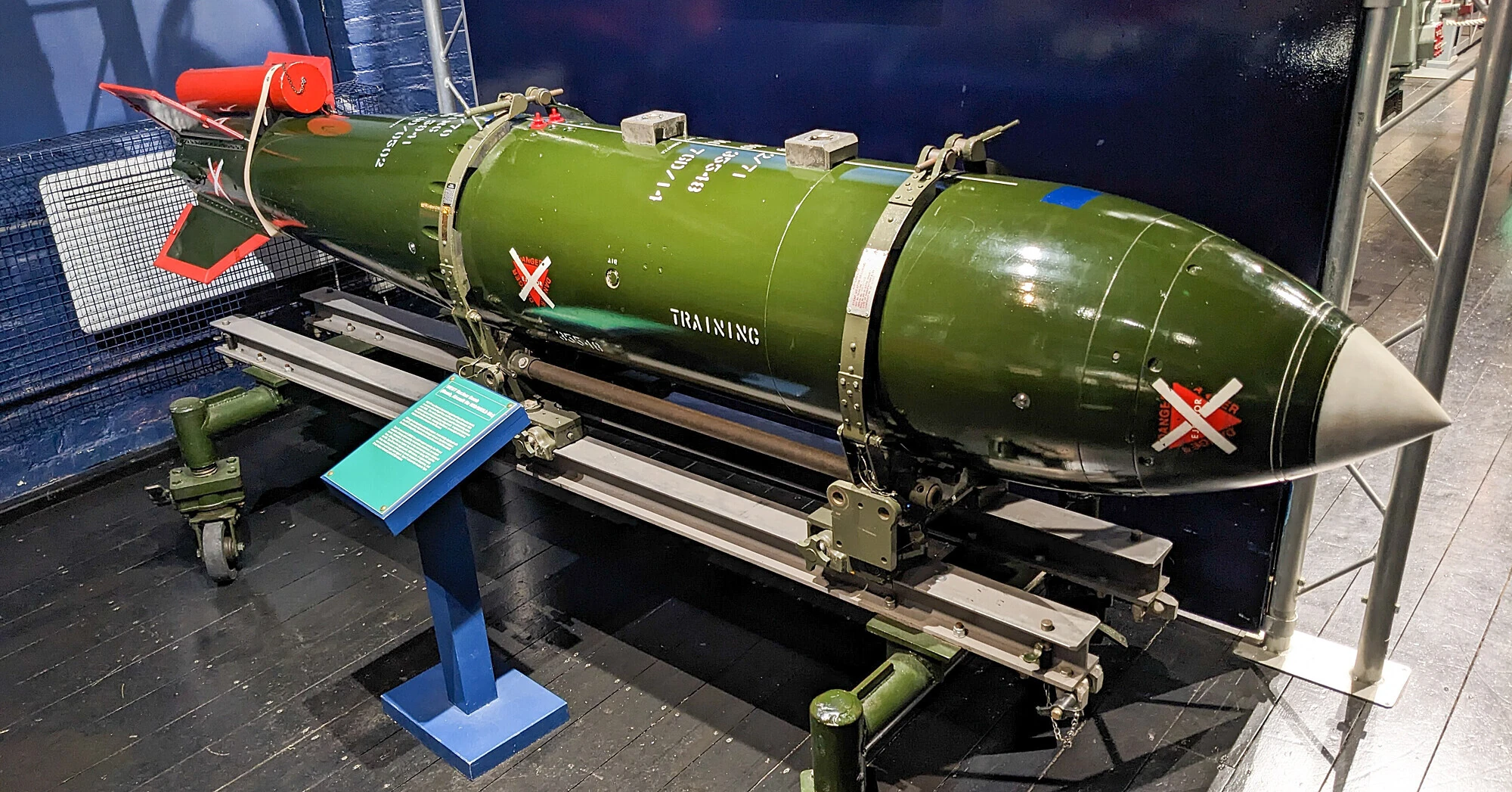
The Lithuanian Seimas in the first of two necessary votes supported a constitutional amendment to remove the ban on weapons of mass destruction being present in the country. The decision opens the way to lifting constitutional restrictions that currently make it impossible to deploy allies' nuclear weapons in Lithuania.
106 deputies voted for the constitutional amendment on October 6, 18 voted against, and six more abstained, reports BNS.
The current Article 137 of the Constitution of Lithuania stipulates that there may be no weapons of mass destruction and foreign military bases on the territory of the country. The proposed amendment provides for the removal of this norm from the Basic Law.
For final amendments to the Constitution, the Seimas must vote for them again after a break of at least three months. During the second vote, the amendment must be supported by at least 94 out of 141 deputies. Seimas Speaker Juozas Olekas reported that the final vote is planned for January 12, 2027.
Olekas explained the need for changes by strengthening Lithuania's deterrence capabilities. According to him, after removing legal restrictions, the country will have the same capabilities in this area as other EU and NATO states.
Leader of the opposition conservatives Laurynas Kasčiūnas noted that the current constitutional norm does not allow Lithuania to fully participate in NATO's nuclear deterrence plans. In particular, current rules do not allow allied aircraft or ships with nuclear weapons to enter the country's territory for deterrence purposes.
Lithuanian Defense Minister Robertas Kaunas linked the review of restrictions to the security situation in the region and Russia's war against Ukraine. He emphasized that Russian strategic weapons are deployed near Lithuania — in Belarus and the Kaliningrad region of the Russian Federation.
The discussion on changing the Constitution intensified in the spring of 2026. In July, the Seimas already agreed to start considering the amendment, and in September it was supported by the parliamentary committee. The current vote was the first of two constitutional votes necessary for final adoption of the changes.
As LRT reports, opponents of the amendment proposed to put the issue to a referendum. At the same time, supporters of the changes emphasize that the current restrictions were enshrined in the Constitution under a different geopolitical situation and narrow the country's capabilities in NATO's collective deterrence system.
