
Russia increased oil exports, but the budget got less benefit
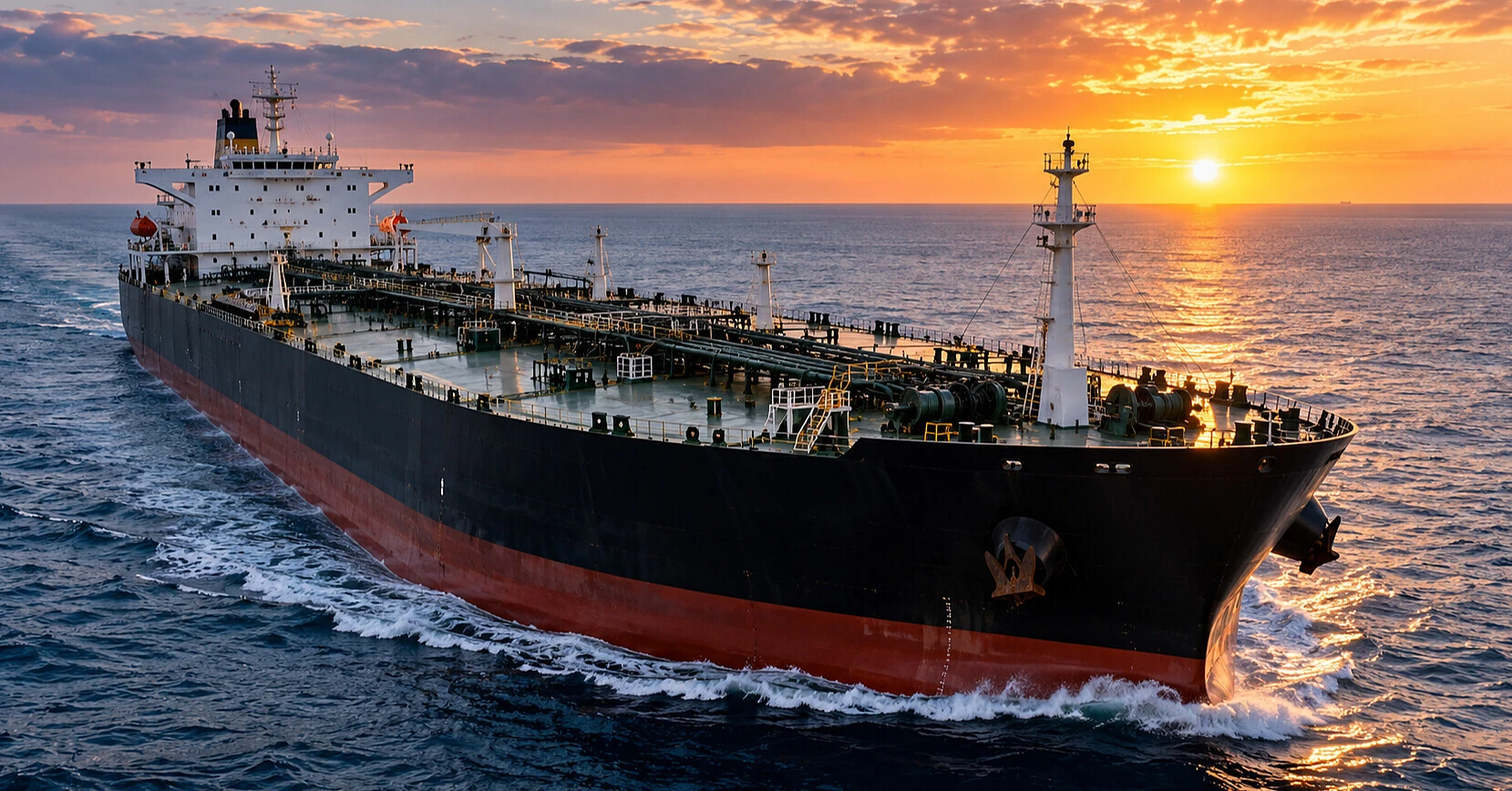
Russia increased seaborne crude oil exports to the highest level in two months, but the growth in supplies and prices did not bring comparable benefit to the Russian budget. A significant part of the additional revenues is absorbed by payments to oil refining companies and restrictions on diesel fuel exports, Bloomberg reports.
In the four weeks through October 4, Russia exported an average of 3.76 million barrels of oil per day by sea. That is the highest figure since early August. At the same time, rising prices increased the gross value of export shipments to the highest level since the period before Russia's full-scale invasion of Ukraine.
The increase in supplies is partly due to problems in Russian oil refining. Because of refinery damage, some of the oil that Russia cannot process domestically is being sent for export. The additional volumes go primarily to buyers in India and China.
However, the increase in physical exports does not mean a similar increase in revenues to the Russian budget. Moscow is forced to channel significant funds to oil companies through a compensation mechanism designed to keep gasoline and diesel on the domestic market.
In September, payments to oil companies under the fuel damper reached 305.5 billion rubles, compared with 197.3 billion rubles a month earlier. That was the largest monthly amount of such compensations in more than four years.
Against this background, net oil and gas revenues of the Russian budget in September amounted to about 452.4 billion rubles — more than 22% less than a year earlier. The decline occurred despite the higher price of Russian oil and the weakening of the ruble.
Additional pressure comes from the ban on exports of most diesel fuel. Moscow restricted foreign supplies in an attempt to ensure the domestic market after reduced production of petroleum products and fuel shortages in a number of regions.
Thus, the growth in crude oil exports partially compensates for the fall in refining, but at the same time Russia loses revenues from sales of more expensive petroleum products and increases budget spending on support for oil companies.
According to materials from: Bloomberg
