
After Russia's combined strike, new blackouts were recorded in five regions
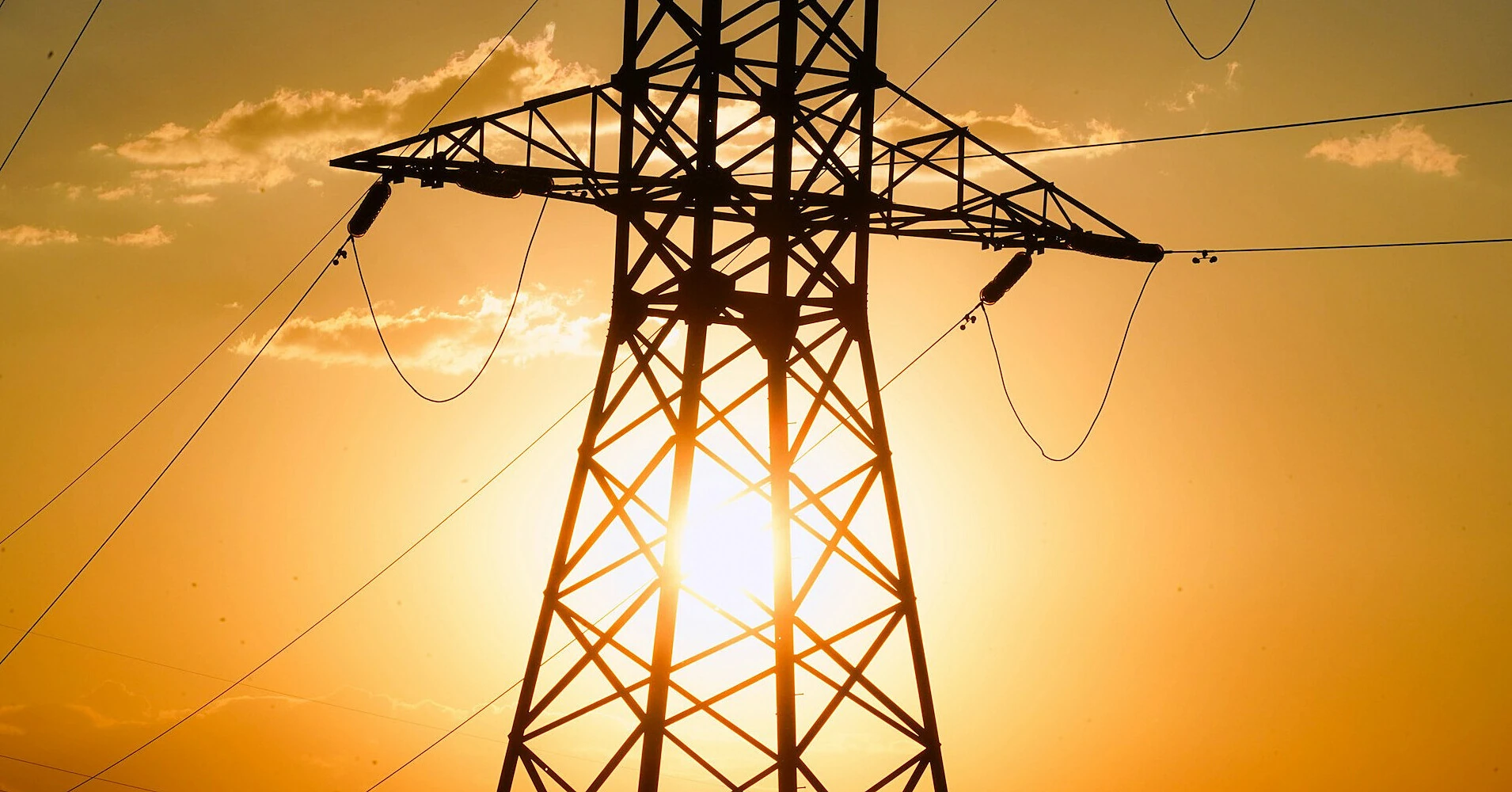
After a massive Russian strike on Ukraine on the morning of October 7, new blackouts were recorded in five regions. At the same time, hourly power outage schedules are in effect in some regions throughout the day.
This was reported by NPC "Ukrenergo". As a result of Russian attacks, consumers in Poltava, Chernihiv, Kharkiv, Vinnytsia and Kherson regions were left without electricity.
The company noted that emergency restoration work has already begun where the security situation allows. Power engineers are trying to restore power to de-energized consumers as quickly as possible.
In addition to emergency outages caused directly by damage to energy infrastructure, planned consumption restriction measures are also being applied in some regions. They are necessary due to equipment damage and the risk of overload.
Hourly outage schedules ranging from 0.5 to 1.5 stages are in effect for the population and other consumer categories in some regions throughout the day. Power limitation schedules have been introduced for industry and business.
The specific time and duration of outages depend on the region. Ukrenergo recommends checking current schedules on the official resources of local distribution system operators, as the situation in the power system may change after the attacks.
Electricity consumption as of 09:30 on October 7 was 4.3% lower than at the same time the previous day. Ukrenergo attributes this to sunny weather, which increased the output of household solar power plants, as well as forced restrictions in some regions.
Ukrainians are urged to shift the use of powerful electrical appliances to the period from 10:00 to 16:00, when solar power plants produce the most electricity.
Earlier, President Volodymyr Zelenskyy stated that energy was one of the key targets of the massive Russian strike. According to him, Russia used about 70 missiles, a significant part of which were ballistic, as well as attack drones.
Source: Ukrenergo
