
U.S. electricity consumption to hit record highs due to AI data centers
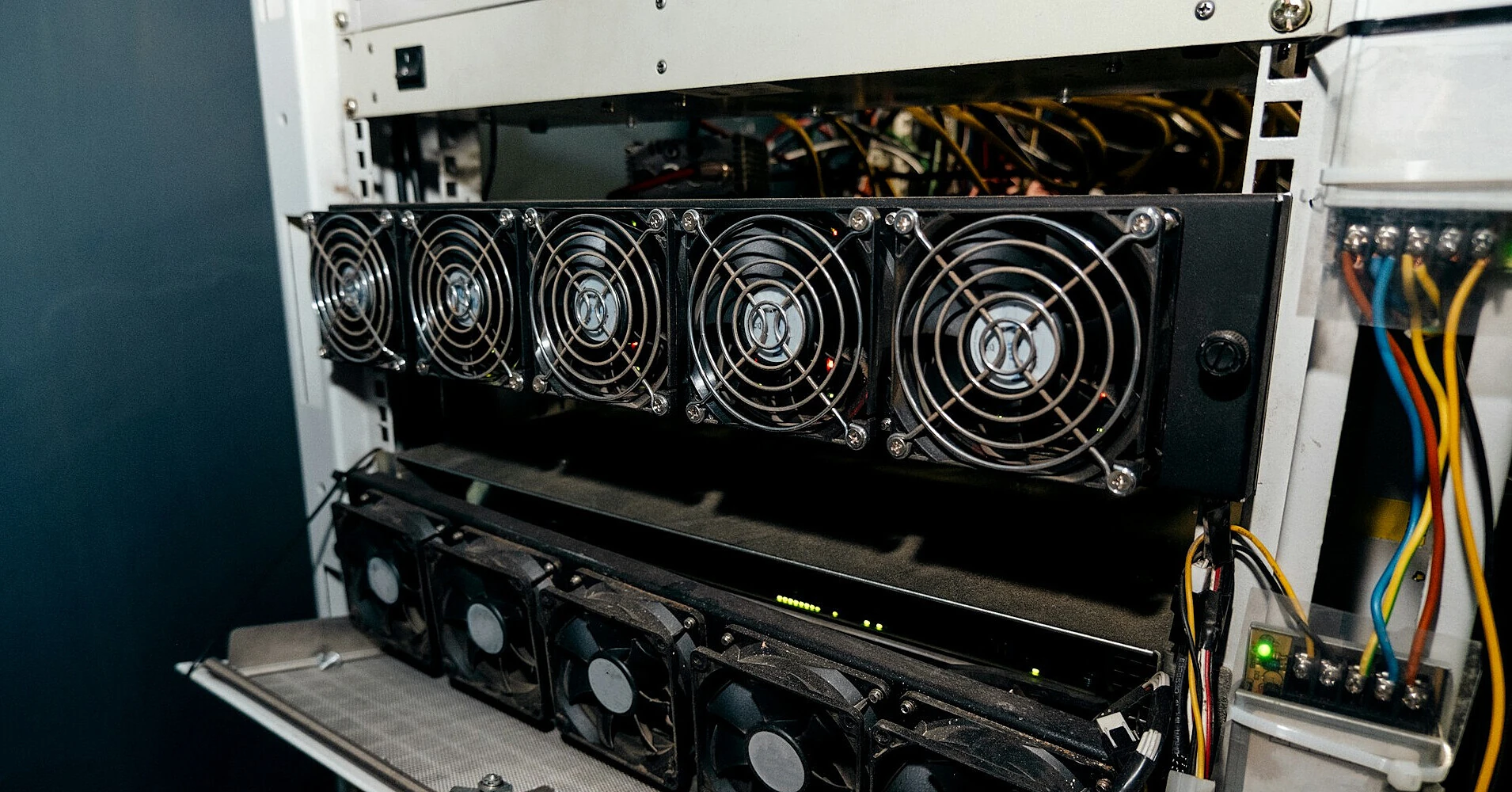
U.S. electricity consumption is set to hit new record highs in 2026 and 2027 amid the rapid expansion of data centers for artificial intelligence and the continued electrification of the economy.
The forecast was released by the U.S. Energy Information Administration (EIA) in its October Short-Term Energy Outlook. The agency expects demand for electricity to grow from a record 4.195 trillion kWh in 2025 to 4.288 trillion kWh this year, and to 4.356 trillion kWh in 2027.
Data centers have become one of the main sources of growth, particularly capacities required for AI systems and cryptocurrency infrastructure. Additional demand comes from households and businesses switching from fossil fuels to electricity for heating and transportation.
Changes are already visible in consumption patterns. EIA forecasts that in 2026, sales of electricity to commercial customers, which include data centers, will reach 1.549 trillion kWh. The residential sector is expected to be at 1.541 trillion kWh, and industry at 1.055 trillion kWh. Thus, the commercial sector will outpace residential consumption.
In its new October forecast, EIA expects commercial sector demand to continue growing and to increase by another 2.8% during 2027. Industrial consumption should rise by 2.7%, while residential demand will stay roughly at the 2026 level.
High grid load was already evident this summer. In the third quarter, total electricity consumption in the U.S. was 4% higher than a year earlier. In the residential sector it increased by 6%, and in the commercial sector by 5%. This was partly due to hot weather and greater use of air conditioning.
Meanwhile, U.S. generation is being reshaped to meet the rising demand. EIA expects electricity output to increase from 4.43 trillion kWh in 2025 to around 4.55 trillion kWh in 2026 and 4.61 trillion kWh in 2027.
At the same time, the generation mix is gradually shifting toward renewables. Coal’s share is projected to fall from 17% in 2025 to 16% this year and 15% in 2027. Natural gas will hold about 40% of generation in 2026, after which its share will drop to 39%. Renewable energy’s share should rise from about 24% to 27% over the two years.
The rapid expansion of AI infrastructure is thus transforming data centers from a relatively small consumer segment into one of the factors shaping the growth of the U.S. energy market as a whole. For utilities, this means the need to simultaneously increase generation and invest in grids capable of serving large new loads.
