
Hungary unblocks Ukraine's progress on two clusters of EU accession negotiations
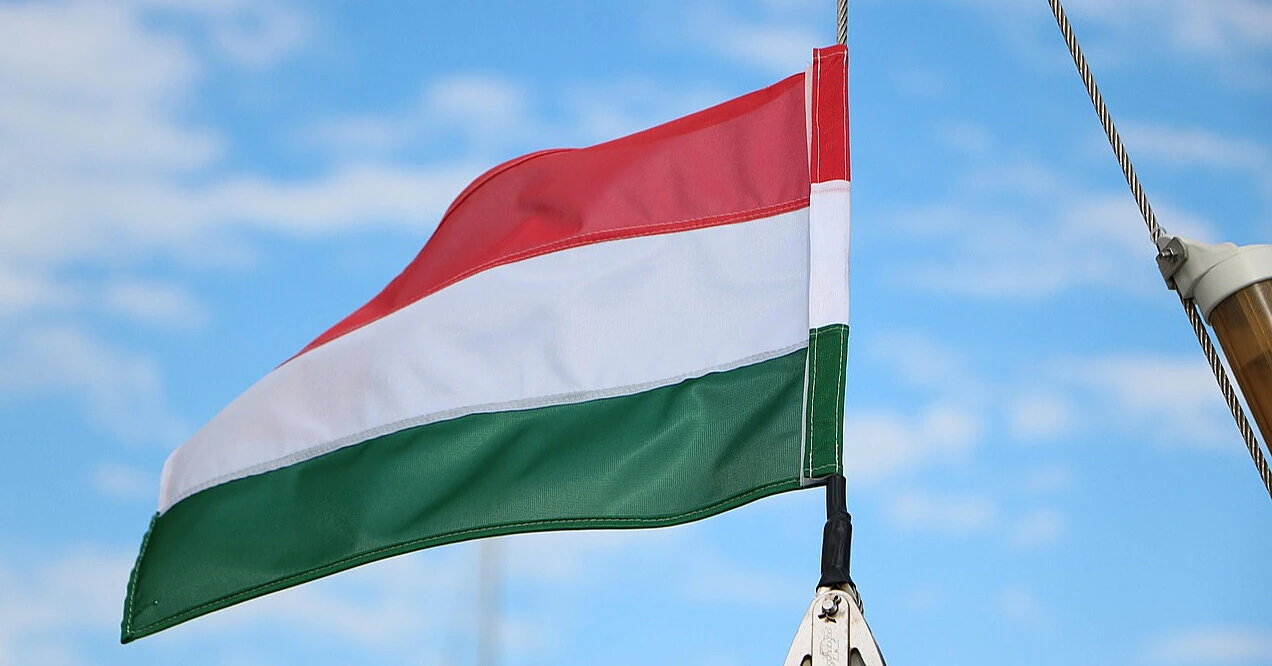
Hungary has lifted the blockage that prevented Ukraine from moving to the next stage of the procedure for opening negotiating clusters 2 "Internal Market" and 3 "Competitiveness and Inclusive Growth" in the process of accession to the European Union.
This is reported by "European Pravda" with reference to a source in the EU familiar with the negotiations.
The Council of the EU's Working Party on Enlargement COELA approved the results of the screening for clusters 2 and 3 for Ukraine. Subsequently, EU ambassadors at the Coreper level agreed to send letters to Ukraine and Moldova inviting them to present negotiating positions.
This information was also confirmed by journalist Rikard Jozwiak. According to him, EU ambassadors agreed on October 7 to send letters that pave the way for launching negotiations on clusters 2 and 3 for Ukraine and Moldova. If the procedure proceeds as planned, on October 12 EU countries should agree on common negotiating positions, and on October 13 the two clusters may be officially opened.
At the same time, the current decision does not yet mean the formal opening of the two clusters. In the coming days, COELA must prepare draft EU negotiating positions. It is expected that member states will be able to agree on them on October 12, after the Verkhovna Rada adopts legislative changes on education in national minority languages. After that, on October 13 an intergovernmental conference Ukraine-EU may take place, at which clusters 2 and 3 can be officially opened.
Hungary for several months blocked the approval of the screening results in these areas. In particular, on July 22 Budapest agreed to give a "green light" only to cluster 3 and only for Moldova. This option would effectively separate Ukraine and Moldova in the accession process, but the majority of EU countries did not support it.
On September 1, Hungary again refused to approve the screening results for clusters 2 and 3 for Ukraine. Earlier, Budapest had also blocked other negotiating clusters at the technical level, but subsequently agreed to lift the veto on cluster 6 "External Relations", which Ukraine opened in July.
The current unblocking was preceded by agreements on educational rights of national minorities. On October 1, a draft law on education in national minority languages was registered in the Verkhovna Rada, the adoption of which will allow completing the procedure for lifting the Hungarian veto and moving to the formal opening of the two clusters.
Based on materials: "European Pravda", Rikard Jozwiak
