
Estonia wins exclusion of Rosatom plant from new EU sanctions list
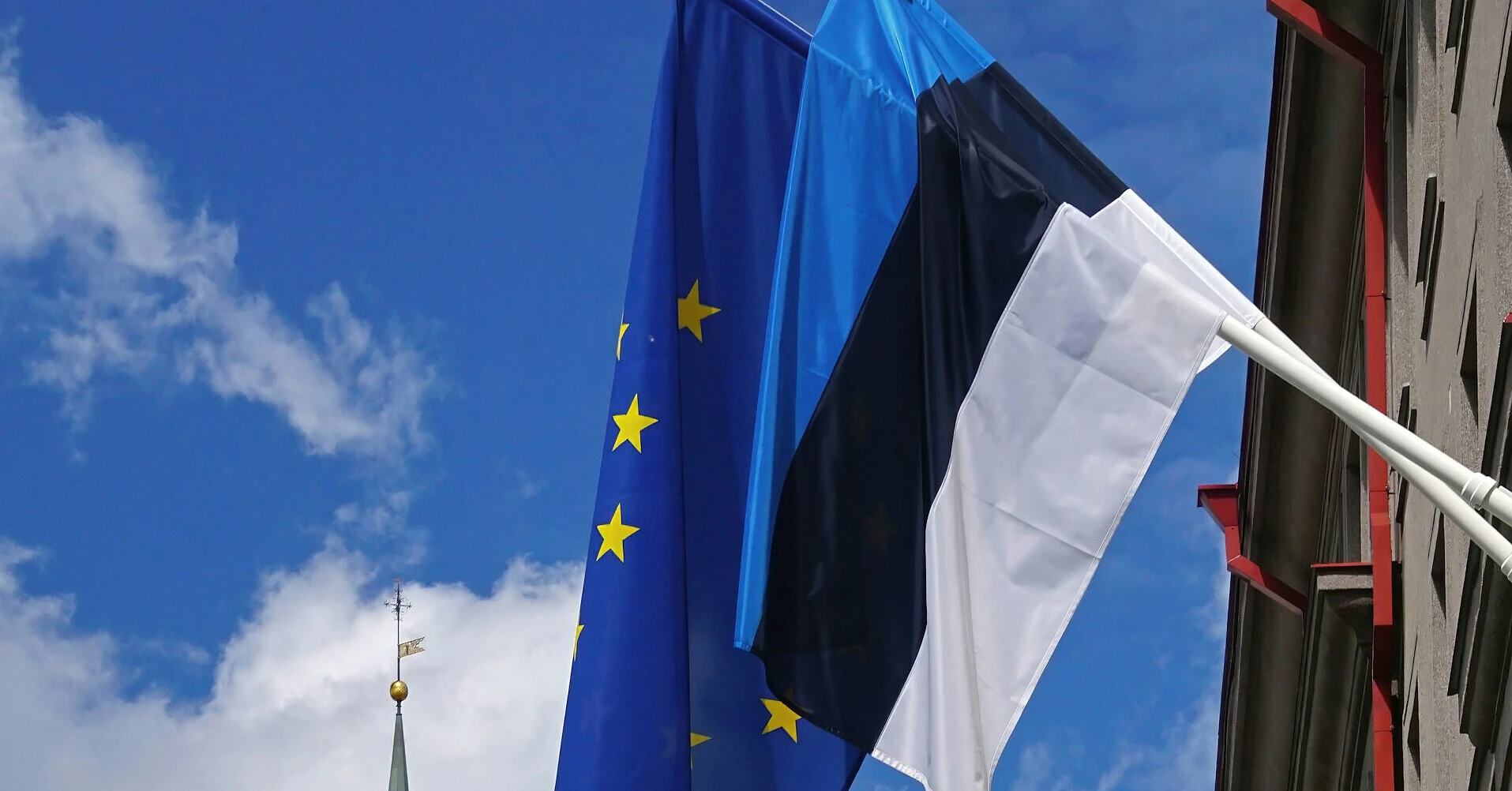
The European Union, at Estonia's request, removed the Solikamsk Magnesium Plant, which is part of the Russian state corporation Rosatom, from the prepared sanctions list. The enterprise supplies rare-earth raw materials to European industry. Along with the plant, its general director Ruslan Dimukhamedov was also removed from the list.
This was reported by Radio Svoboda, citing diplomats in Brussels. The information was also confirmed by Estonia's Permanent Representation to the EU.
The reason for the exclusion was the dependence of Estonian company NPM Silmet on Russian raw material supplies. The plant is located in Sillamäe and processes rare-earth and rare metals used in high-tech production.
The spokeswoman for Estonia's representation to the EU, Kerstin Lepik, confirmed that Tallinn asked to remove the Russian company and associated individual from the list agreed by EU ambassadors.
According to her, NPM Silmet's products are of strategic importance for European industry. Manufacturers of electric vehicles, wind turbines, electronics, as well as automotive and aviation industries depend on its supplies.
The Estonian company is currently looking for alternative raw material suppliers to reduce dependence on Russia. At the same time, Estonian authorities said they are ready to revisit the inclusion of Solikamsk Magnesium Plant and its director on the sanctions list in 2027.
Solikamsk Magnesium Plant is located in Russia's Perm Krai. It produces magnesium, rare-earth metal compounds, as well as niobium and tantalum products. The enterprise is controlled by Rosatom.
According to investigative project "Systema", the plant is actually a monopolist in Russia in the production of certain compounds of rare-earth elements. NPM Silmet, in turn, remains one of the key European enterprises for the industrial separation of such raw materials.
According to customs data, in 2022-2024 the Russian plant supplied products worth over $50 million to the Estonian company. Thus, trade ties between the enterprises were maintained even after the start of Russia's full-scale invasion of Ukraine.
The decision to exclude the plant was taken during the preparation of the largest simultaneous expansion of the EU sanctions list against the Russian military-industrial complex.
As previously reported by "Kurs Ukrainy", on October 7, EU ambassadors agreed to include 743 individuals and 826 companies and organizations linked to the Russian military-industrial complex.
The initial draft, prepared by the European External Action Service, had one more individual and one more legal entity. These two entries were removed at Estonia's request.
The agreed list includes, among others, Russian shipbuilding, aviation, and rocket and space industry enterprises, as well as drone and military equipment manufacturers.
The new sanctions decisions still require formal approval. EU foreign ministers are expected to consider them on October 12. After completion of the necessary procedures and official publication, the restrictions will enter into force.
Therefore, in the case of Solikamsk Magnesium Plant, this is not a cancellation of already imposed sanctions, but its exclusion from the new list before the restrictions enter into force.
Based on materials: "Radio Svoboda", The Insider / "Systema", "Kurs Ukrainy"
