
El Niño could become the most powerful on record - WMO forecast
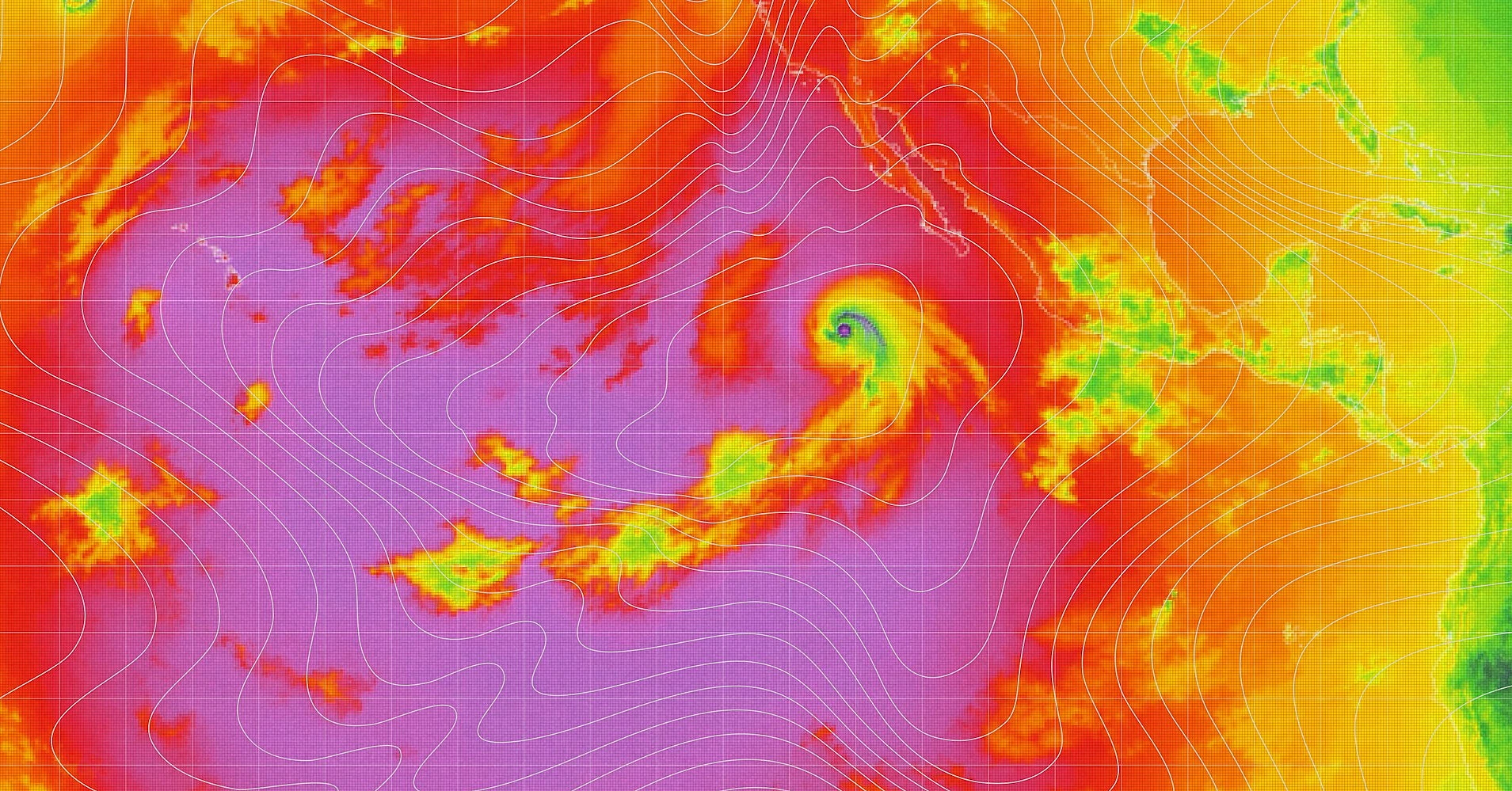
The World Meteorological Organization (WMO) predicts a record increase in the surface temperature of the Pacific Ocean due to the strengthening El Niño climate phenomenon. Its peak is expected in December 2026, and its impacts on the global climate may persist throughout 2027. Meteorologists warn of increased risks of droughts, floods, and extreme heat.
This is stated in the new WMO seasonal forecast, released on October 8.
According to the organization's estimates, the average deviation of ocean surface temperature in the central and eastern equatorial Pacific during October-December could reach +3.7C relative to the climate norm.
This would be the highest level ever recorded, if the forecast confirms. The previous record was +2.6C, set during the powerful 2015-2016 El Niño.
Ocean warming is already accelerating. According to WMO data, in June the temperature anomaly in the key Niño 3.4 monitoring region was +1.6C, and in August it reached +2.5C.
The probability that El Niño will persist until February 2027 is estimated by meteorologists at almost 100%. The assessment is based on forecast results from 13 national and international meteorological centers.
WMO Secretary-General Celeste Saulo noted that the phenomenon is rapidly strengthening and could potentially become one of the most powerful at least since 1950.
El Niño is a natural climate phenomenon associated with periodic warming of surface waters in the tropical Pacific Ocean. It alters atmospheric circulation and affects the distribution of temperatures and precipitation far beyond the Pacific region.
Usually El Niño occurs once every two to seven years and lasts about 9-12 months. Its impact on global temperature may be particularly noticeable in the year following the formation of the phenomenon.
According to the WMO forecast, in October-December, the probability of above-normal precipitation increases in the Horn of Africa region, parts of Central and East Asia, southeastern South America, and parts of North America.
At the same time, precipitation deficits are forecast for the Indian subcontinent, southern Central America, parts of the Caribbean basin, and northwestern South America.
In most regions of the world, the probability of above-normal temperatures also increases.
Meteorologists emphasize that the strength of El Niño does not automatically determine the scale of natural disasters in a specific country. Impacts depend on local weather conditions, season, and other climatic factors.
One of the main economic risks is potential reduction in harvests due to droughts and excessive precipitation. Particularly vulnerable are countries where agriculture depends significantly on seasonal rains.
Disruption of normal weather patterns can affect production and international food supplies, particularly cereals, rice, and other agricultural products. Impacts on global prices will depend on actual crop losses, stocks, and the ability of other countries to compensate for deficits.
According to estimates by the UN World Food Programme (WFP), due to weather anomalies associated with El Niño, by the end of 2027 at least another 49 million people could face acute food shortages.
This refers to a forecast for 45 countries that already have food security problems. In an adverse scenario, the total number of people needing urgent food assistance in these countries could increase from about 225 million to 274 million.
WFP expects the greatest risks in Central America, southern and eastern Africa, and in some countries of South and Southeast Asia.
El Niño also can temporarily raise average global temperature, as it contributes to the release of heat stored in the ocean. According to Celeste Saulo, the current phenomenon is developing against the backdrop of a record-warm World Ocean, increasing the potential for temperature records.
At the same time, the new WMO forecast does not contain specific conclusions about the nature of winter 2026-2027 in Ukraine. Global El Niño assessments cannot be directly used for forecasting temperature, snowfall, or precipitation in an individual country. For this, regional forecasts from national meteorological services are needed.
WMO urges governments and relevant agencies to prepare in advance for possible weather anomalies, especially in agriculture, energy, water supply, and disaster response systems.
Based on materials from: World Meteorological Organization, WMO Seasonal Climate Forecast, UN World Food Programme
