
In Ukraine, large-scale problems with veterans' rehabilitation in communities discovered
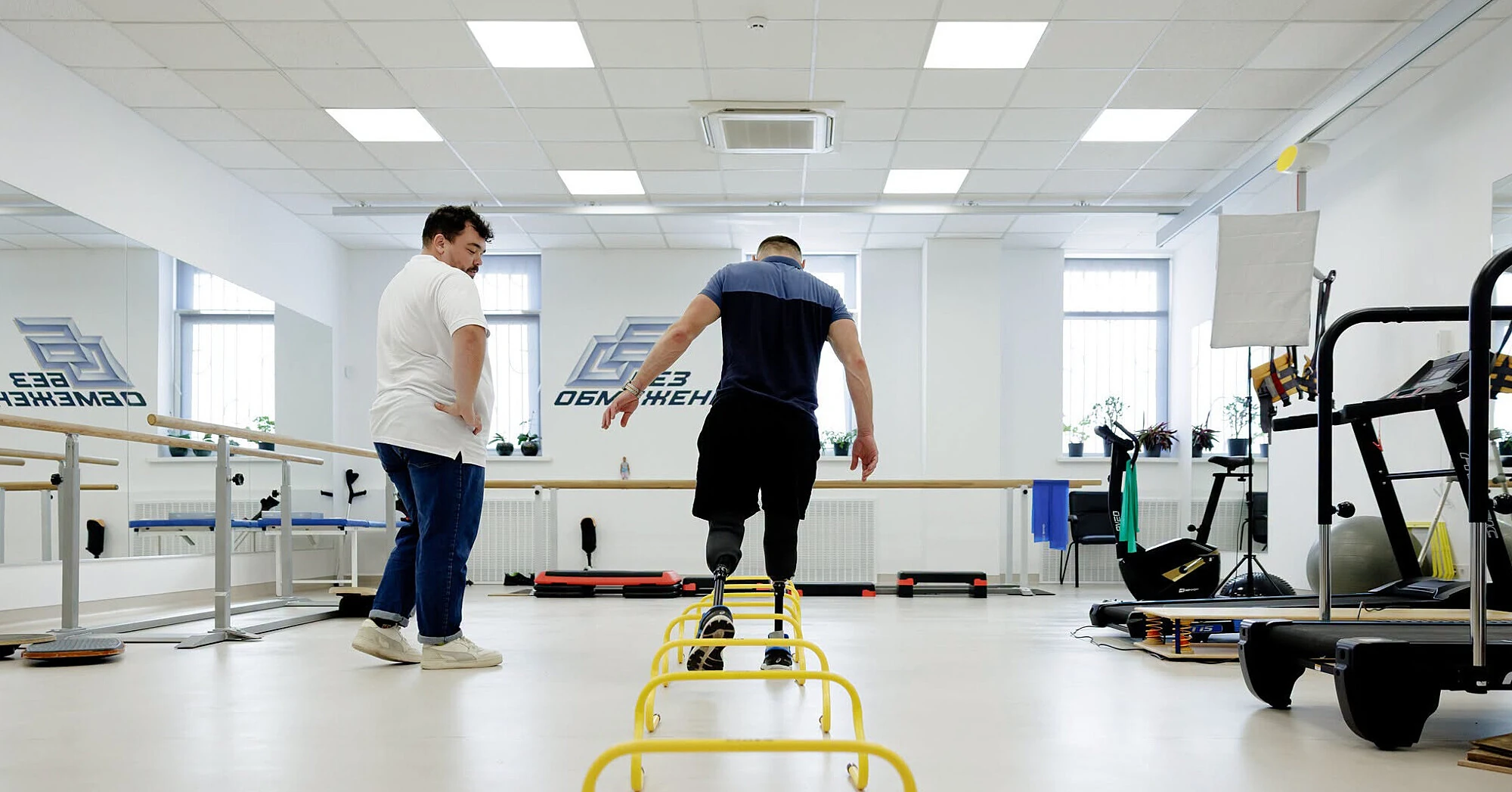
In Ukraine, psychological assistance centers for veterans are established in only 18% of territorial communities, while additional medical and rehabilitation services are available in only 20%. The state support system still does not ensure equal access to necessary assistance in different regions.
This was stated by the Verkhovna Rada Commissioner for Human Rights Dmytro Lubinets in an interview with Radio NV, citing the results of monitoring visits by the Ombudsman's Office.
According to him, over two years, representatives of the institution checked the functioning of the veteran support system at the local level. The results showed significant differences between communities: in some, rehabilitation and psychological assistance programs are being created, while in others, support for veterans remains largely formal.
Lubinets noted that additional services often appear thanks to private business or veterans themselves, who attract grant funding. In the Ombudsman's opinion, such initiatives are important, but they cannot replace a full-fledged state support system.
The problems are confirmed by the results of a survey conducted by the Ombudsman's Office among more than a thousand veterans. More than 50% of respondents believe that their rights are not only violated but also not actually protected by the state.
Lubinets called these results evidence of the ineffectiveness of state policy. According to him, the largest number of appeals from veterans concern social payments, paperwork, receiving assistance after injuries, as well as access to medical and psychological rehabilitation.
During 2026, the Ombudsman's Office received over 1,900 appeals from veterans, while in the entire previous year there were 2,067. Lubinets emphasized that the number of such appeals continues to grow.
At the same time, the Ministry for Veterans' Affairs reported that 2,864 specialists for the support of veterans and demobilized persons are already working in Ukraine. According to the ministry, their services cover 98.5% of territorial communities, and about 500 specialists work directly in medical institutions.
However, the presence of a support specialist does not mean that the community has the necessary conditions for psychological assistance and rehabilitation. Lubinets calls the insufficient accessibility of such services one of the main problems of the current veterans' policy.
The Ombudsman insists on creating a unified system in which a veteran will receive personal support, and government institutions will independently exchange the necessary information. This should eliminate situations where people are forced to spend months collecting certificates and applying to various agencies to receive assistance guaranteed by law.
The Ministry for Veterans' Affairs, for its part, has prepared proposals for legislative changes that should make veteran support a mandatory authority of local self-government. It envisages the introduction of unified standards of work and mechanisms of responsibility for their non-compliance.
Based on materials: Radio NV, Ministry for Veterans' Affairs, Ombudsman's Office
