
In Montenegro, the founder of the Russian propaganda project "Rybar" was detained
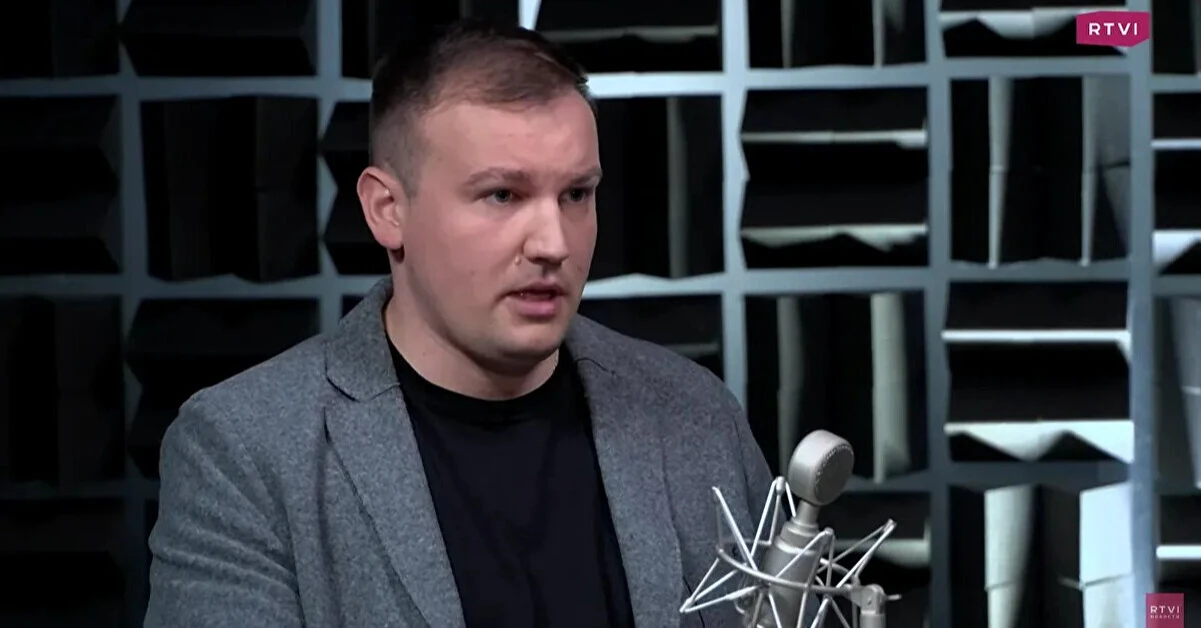
On October 9, in Montenegro, the founder of the Russian pro-war project "Rybar" Mikhail Zvinchuk, his wife and three other people were detained. The operation was conducted by the police and the National Security Agency of the country due to suspicions of the activities of a Russian information influence network. During the search, drones and specialized digital equipment were found on the detainees.
This is reported by Montenegrin outlets Vijesti and Pobjeda with reference to sources in law enforcement.
The detention took place in the morning in the town of Risan on the coast of the Bay of Kotor. Along with Zvinchuk, law enforcement officers detained his wife Valeria Zvinchuk, who also works in the "Rybar" project, and three other people.
According to Vijesti, the operation was conducted by police officers in cooperation with the National Security Agency of Montenegro (ANB). Its purpose was to check the possible activities of a Russian information network, which Western states associate with the spread of Kremlin propaganda and interference in the political processes of other countries.
Montenegrin special services, according to journalists, received information in advance about the planned arrival of "Rybar" representatives and monitored their stay in the country for several days.
Drones and digital equipment were found on the detainees
Later, Vijesti published new details of the operation. According to the publication's sources, Zvinchuk and his companions were found with drones, electronic devices, mobile phones and specialized digital equipment.
Law enforcement officers are checking the detainees and the seized equipment. Employees of the Tivat police department were involved in the measures in cooperation with the National Security Agency.
It is currently not reported what the found equipment was intended for and whether it was used for illegal activities.
There is still no official information about criminal charges against Zvinchuk and the other detainees. Details of the case are mainly coming from sources of Montenegrin media in law enforcement agencies.
The group may have been preparing material against Montenegro's European integration
According to Vijesti, "Rybar" representatives arrived in the country to shoot a documentary video about Montenegro's plans to align its visa policy with European Union rules.
The publication's interlocutors in the power structures claim that the future material was supposed to present European integration as a process threatening the tourism industry, economic stability and national interests of the country.
In their assessment, such content could be used to increase distrust in European institutions and the foreign policy course of Montenegro.
At the same time, the actual content of the planned video and its customers have not been publicly established. Information about the probable purpose of the filming is based on reports from Vijesti sources.
Montenegro is a NATO member and is negotiating EU membership. Visa policy changes are among the issues the country must settle within the European integration process.
Russia reacted to Zvinchuk's detention
The Russian Ministry of Foreign Affairs confirmed that it is clarifying the circumstances of the incident.
The official representative of the Russian Foreign Ministry, Maria Zakharova, said that the Russian Embassy in Montenegro is establishing the circumstances of the detention of the founder of "Rybar".
No other details about possible diplomatic actions have been released by the Russian side yet.
What is known about "Rybar" and its ties to the Kremlin
"Rybar" is a Russian information project created in 2018, which gained wide popularity after the start of Russia's full-scale invasion of Ukraine. Initially, it specialized in military analysis and reports on combat operations, but later turned into an international network of information channels.
Mikhail Zvinchuk previously worked in the press service of the Russian Ministry of Defense. He later became one of the leaders of "Rybar" and a public representative of the project.
In December 2025, the United Kingdom imposed sanctions on Rybar LLC and Zvinchuk himself. In July 2026, London expanded restrictions on ten more people associated with this structure.
According to the British government, the activities of "Rybar" are partly coordinated by the administration of the President of the Russian Federation. The project is funded by the Russian state corporation "Rostec" and cooperates with representatives of Russian special services.
British authorities claim that the network creates anonymous information resources, distributes fabricated investigations and uses artificial intelligence to promote messages beneficial to the Kremlin.
Among its areas of activity, London names information interference in the political processes of Moldova and Armenia, as well as campaigns to weaken international support for Ukraine.
The US offers a reward for information about the network
In 2024, the US Department of State, under the Rewards for Justice program, announced a reward of up to $10 million for information that will help identify or stop the activities of foreign persons involved in interfering in American elections.
Among the people whose information is of interest to US authorities are Mikhail and Valeria Zvinchuk, as well as other employees of "Rybar".
According to the State Department, the project previously received funding from Russian businessman Yevgeny Prigozhin, and later began cooperating with "Rostec".
American authorities also link the network to information campaigns that tried to exacerbate political and social contradictions in the US, particularly during the 2024 presidential elections.
At the same time, the announced reward concerns information about election interference, not directly Zvinchuk's detention in Montenegro.
The current operation by Montenegrin special services became one of the most notable cases of checking the activities of representatives of the Russian information network outside the Russian Federation. The further development of the case will depend on the results of the inspection of the seized equipment and the decisions of local law enforcement agencies.
Sources: Vijesti, Vijesti, UK Government
