
NATO to hold nuclear exercise amid Russia's threats over Kaliningrad
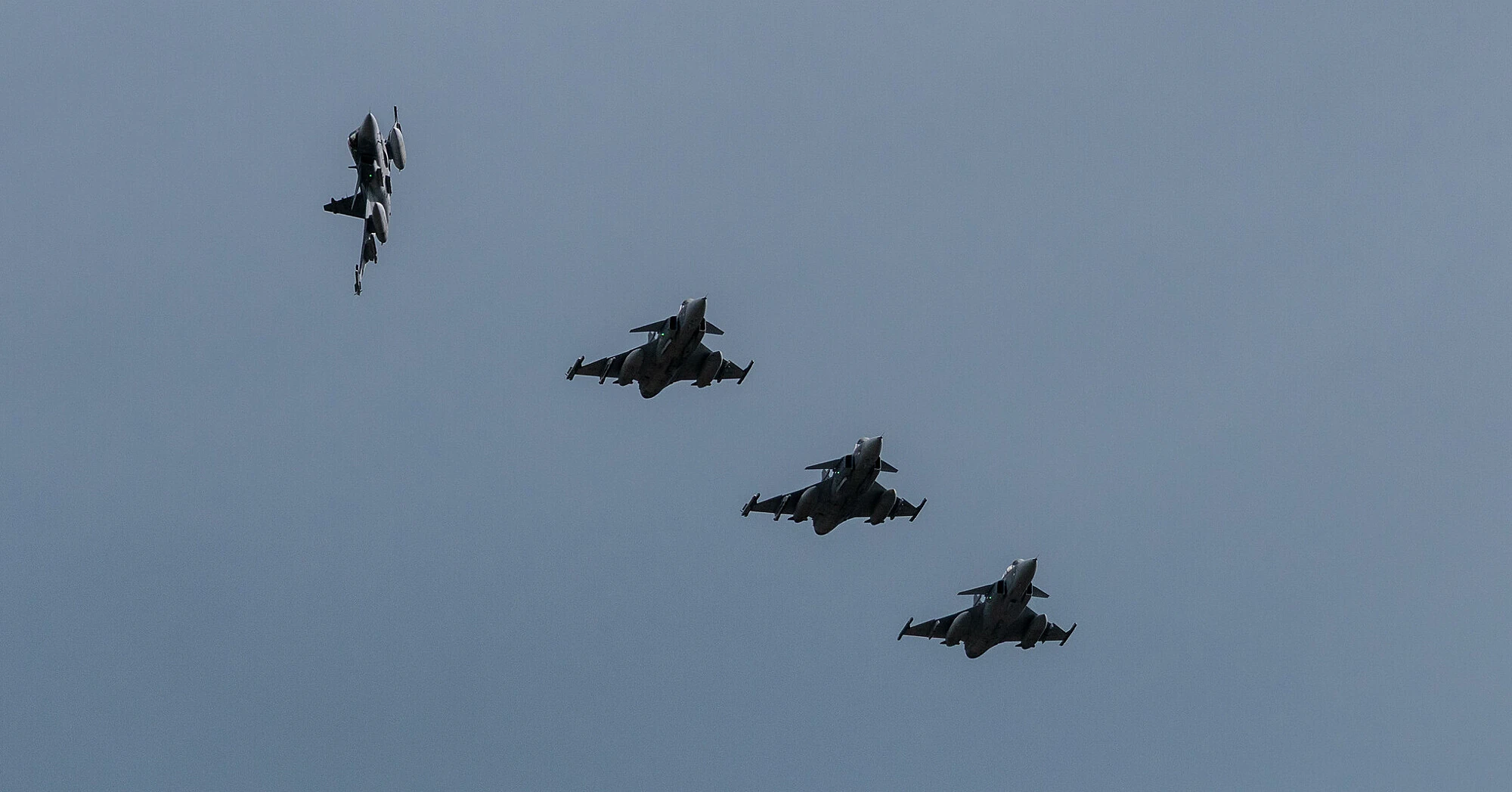
NATO has announced its annual Steadfast Noon nuclear deterrence exercise, to be held from 13 to 23 October in Italy with 17 Allied nations participating. The maneuvers take place against the backdrop of heightened tensions with Moscow following Russian threats to use nuclear weapons if NATO attempts to isolate the Kaliningrad region.
The upcoming exercise was announced by NATO's press service. Additional details were published by Politico.
Steadfast Noon is a regularly scheduled annual exercise during which military personnel practice procedures for employing nuclear deterrence forces. This year it is hosted by Italy, and its overall scale, according to the Alliance, matches previous exercises.
The maneuvers will involve combat aircraft capable of performing both conventional and nuclear missions. Service members will practice responding to a mock alert, executing flight missions, and preparing, refueling, and maintaining aircraft.
According to the Italian news agency ANSA, the main locations for the exercise include the Aviano and Ghedi air bases in northern Italy. Some operations may also take place in the airspace of neighboring countries.
No live nuclear weapons or live ammunition will be used during Steadfast Noon. NATO officials emphasize that the maneuvers were planned well in advance, are not linked to current international events, and are not directed against any specific country.
Russia threatened NATO with nuclear weapons
This year's exercise takes place after a tense diplomatic exchange between Moscow and Brussels.
In August, NATO countries conducted military exercises near the Kaliningrad region, a Russian exclave between Poland and Lithuania.
Following that, Russia sent a letter to the Alliance threatening to use military force. Moscow stated its readiness to use its entire available arsenal, including nuclear weapons, if NATO countries attempt to isolate the Kaliningrad region from the rest of Russian territory.
NATO Secretary General Mark Rutte publicly rejected the Russian threats, emphasizing the Alliance's readiness to defend its members.
Against this backdrop, NATO officials are trying to prevent further escalation and convince Moscow that the upcoming maneuvers pose no threat to it.
NATO's head of nuclear policy, Nassima Berrouz, stressed that Steadfast Noon is held every year and that its predictable nature should not give Russia grounds for misjudgment.
According to her, the main goal of the exercise is to maintain military readiness and guarantee the safety and reliability of the Alliance's nuclear capabilities.
A senior NATO official also told Politico that the Alliance seeks to reduce tensions despite heightened Russian rhetoric and Moscow's accusations of hybrid attacks on the territory of European states.
NATO emphasizes the defensive nature of the exercise
NATO Secretary General Mark Rutte stated that Steadfast Noon is intended to ensure the credibility of nuclear deterrence and demonstrate the unity of allies.
According to him, regular training is needed to prevent coercion and deter potential aggression.
At the same time, NATO stresses that holding a nuclear exercise does not mean a change in the Alliance's nuclear strategy or an increase in the readiness to use nuclear weapons. Steadfast Noon remains part of the regular military training program.
