

Chiefs of largest oil companies refused to travel to Riyadh after missile strike on airport
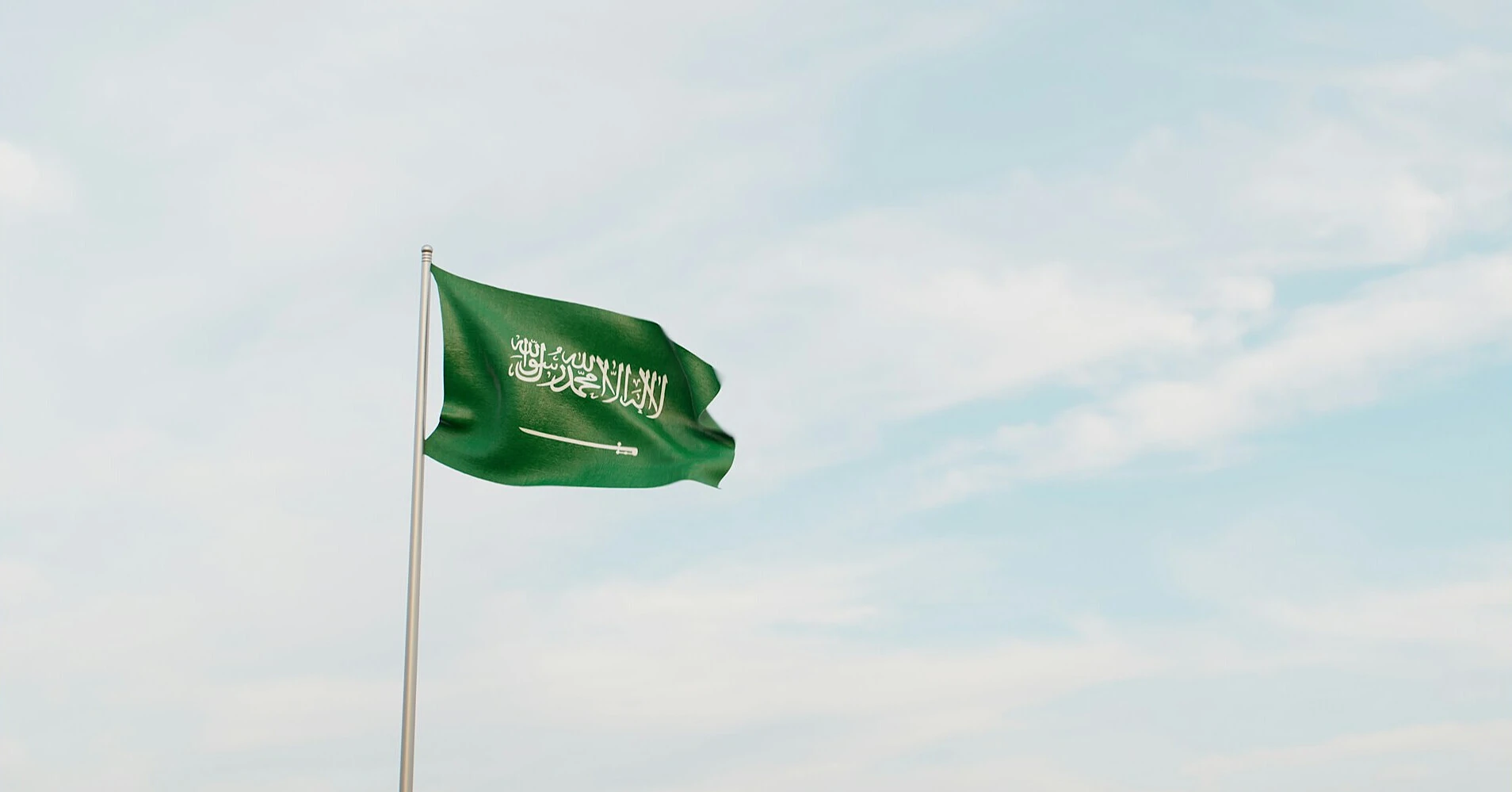
Leaders of several of the world's largest oil companies have refused to travel to Riyadh after a missile strike on the international airport in the Saudi capital. According to the Financial Times, top managers from ExxonMobil, BP, Shell and TotalEnergies have pulled out of a major energy congress.
The decision came after an attack on King Khalid International Airport that killed 12 people and wounded 309 more. This was the third strike on the airport in a week.
Oil giant executives decided not to risk the trip
The 25th WPC Energy Congress, one of the largest international forums for the oil and gas and energy industry, is being held in Riyadh from October 11 to 15.
The program had listed heads of the world's largest companies, energy ministers and representatives of oil-producing states.
However, after the latest attack, some participants' plans changed. According to FT, the heads of ExxonMobil, BP, Shell and TotalEnergies refused to travel to the Saudi capital.
Before the strike, the congress website listed among key participants ExxonMobil CEO Darren Woods, Shell CEO Wael Sawan, TotalEnergies CEO Patrick Pouyanné and BP CEO Meg O'Neill.
Airport attacked third time in a week
The heaviest strike came on Saturday, October 10.
According to Saudi authorities, 12 people were killed in the attack on Riyadh's international airport, including citizens of Saudi Arabia, the United States, Bangladesh, Egypt, Jordan, Syria, Palestine and Sudan.
Another 309 people were injured, some critically.
The attack was the third on King Khalid Airport in a week. Yemeni Houthis claimed responsibility for the strikes.
Airport operations were disrupted: flights were canceled and rerouted, and passengers had to look for alternative routes.
The congress itself was not canceled
Organizers of the WPC Energy Congress said the event would go ahead as planned, despite the security threat and air travel problems.
Participants were offered alternative ways to get to Riyadh, including an overland route from Dammam that takes about four hours.
The congress is of great importance to Saudi Arabia: it is the first time the country has hosted this global industry forum and it hoped to bring together tens of thousands of representatives from the energy business, government agencies and investors.
That is why the refusal of the heads of the largest Western oil companies was especially noticeable.
Just days before, oil executives talked about long-term plans in the region
The situation is notable for how quickly risk perceptions changed.
Just days before the attack, executives from international oil companies were publicly emphasizing that they remained interested in the Middle East despite ongoing military conflicts.
The region remains highly attractive to the oil and gas business due to its huge reserves and relatively low production costs.
But the direct strike on a major international airport showed that military risks can now affect not only production, tankers or oil terminals, but also ordinary business travel by company executives.
This is also a reputational challenge for Saudi Arabia
In recent years, Riyadh has been actively transforming the capital into a venue for major international business, investment and sporting events.
The WPC Energy Congress was supposed to be one of the key meetings of the global energy industry this year.
Thus, the situation when the heads of ExxonMobil, BP, Shell and TotalEnergies prefer not to come due to security threats goes beyond one canceled speaking engagement.
It shows how quickly regional escalation can affect international business even in countries that until recently were considered relatively protected from the direct effects of conflict.
The congress itself continues, and many energy industry representatives and government delegations remain in the program.
Based on materials from: Financial Times, Associated Press, WPC Energy Congress.