

NATO calls for increased aid to Ukraine in response to Russian sabotage
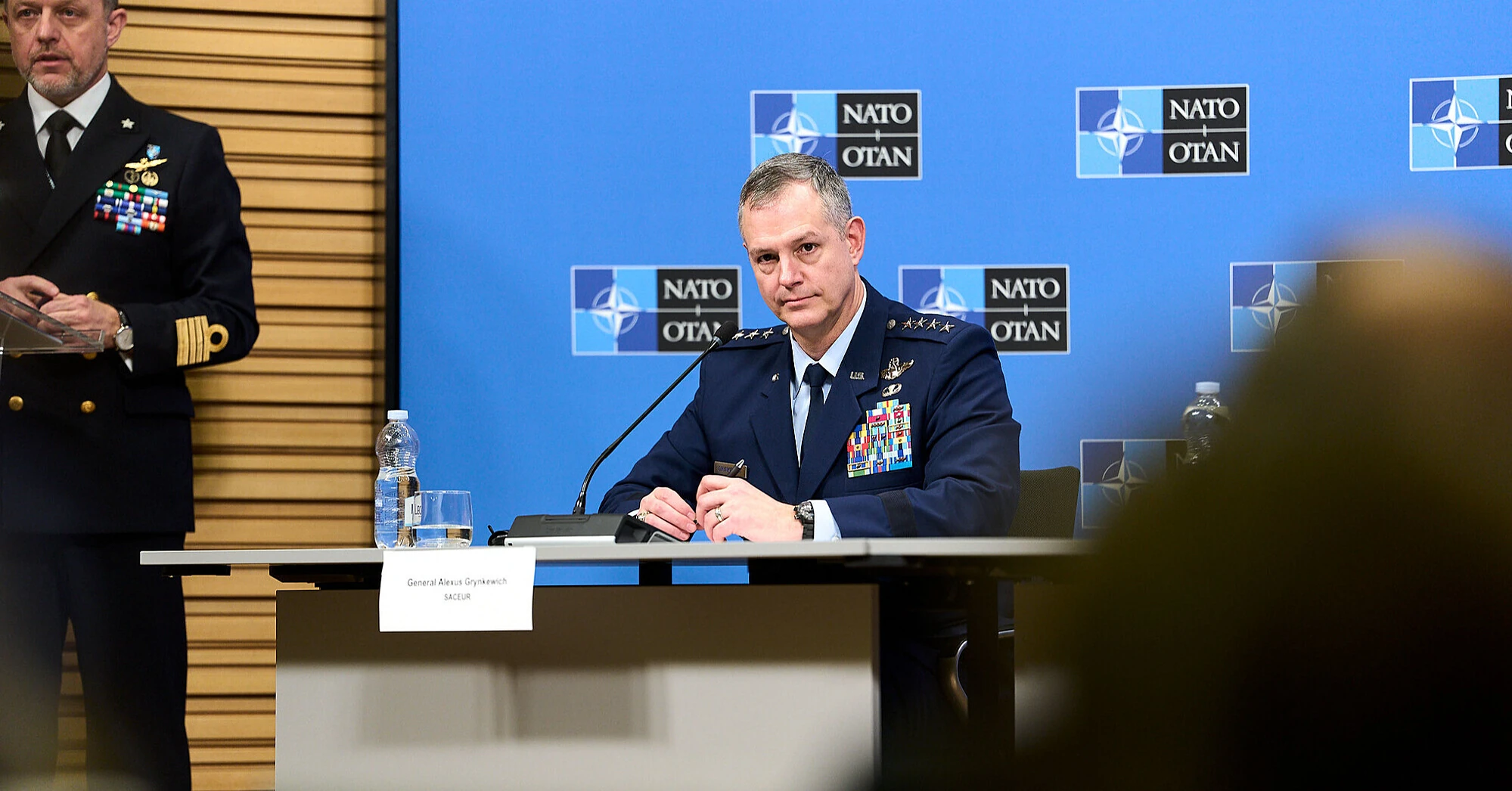
European countries should respond to Russian sabotage, cyberattacks and other hybrid operations by increasing military support for Ukraine. This approach will help thwart Moscow's attempts to weaken allies' unity and deter further Russian aggression.
Allied Supreme Commander Europe General Alexus Grynkewich of NATO's Joint Force Command said this in an interview with Bloomberg Television on October 11.
According to the general, Russia has intensified hybrid operations against European states, including violations of NATO countries' airspace, arson, sabotage of infrastructure facilities and cyberattacks.
The main goal of these actions is to undermine European countries' readiness to confront Moscow. Grynkewich stressed that the Kremlin is trying to break the collective will of allies, particularly their determination to support Ukraine.
As an example of an appropriate response, he cited Denmark and Germany, which increased aid to Kyiv after hybrid attacks on their territory. In the commander's opinion, such decisions show Russia that its attempts to weaken support for Ukraine are not achieving their goal.
Grynkewich also expressed the belief that even European political forces that oppose further aid to Ukraine will be forced to consider its importance for their own national security.
Meanwhile, NATO is preparing a new concept to deter a possible Russian attack. During the Warsaw Security Forum on October 12, Grynkewich is expected to present the Alliance's so-called 'theory of victory' — an approach to rapidly repel aggression against NATO territory.
The concept involves combining traditional military capabilities, including F-35 fighter jets, with unmanned systems and artificial intelligence technologies. Its release is intended to show Moscow the Alliance's readiness to defend its members.
In a separate interview with Polish TVP World, the general said he currently assesses the risk of a large-scale Russian attack on a NATO country as relatively low, since a significant portion of Moscow's military resources is engaged in the war against Ukraine. At the same time, the Alliance must be ready to respond quickly to possible aggression.
Grynkewich also stressed that Ukraine is no longer just a recipient of Western aid but has become an important contributor to Euro-Atlantic security due to its own combat experience and development of defense technologies.
Recall that at the July NATO summit in Ankara, allies committed to providing Ukraine with military equipment, assistance and training worth a total of 70 billion euros in 2026 and to maintain at least a similar level in 2027. European countries and Canada already fund the majority of military support for Ukraine.