

The EU has approved the largest expansion of sanctions against the Russian military-industrial complex
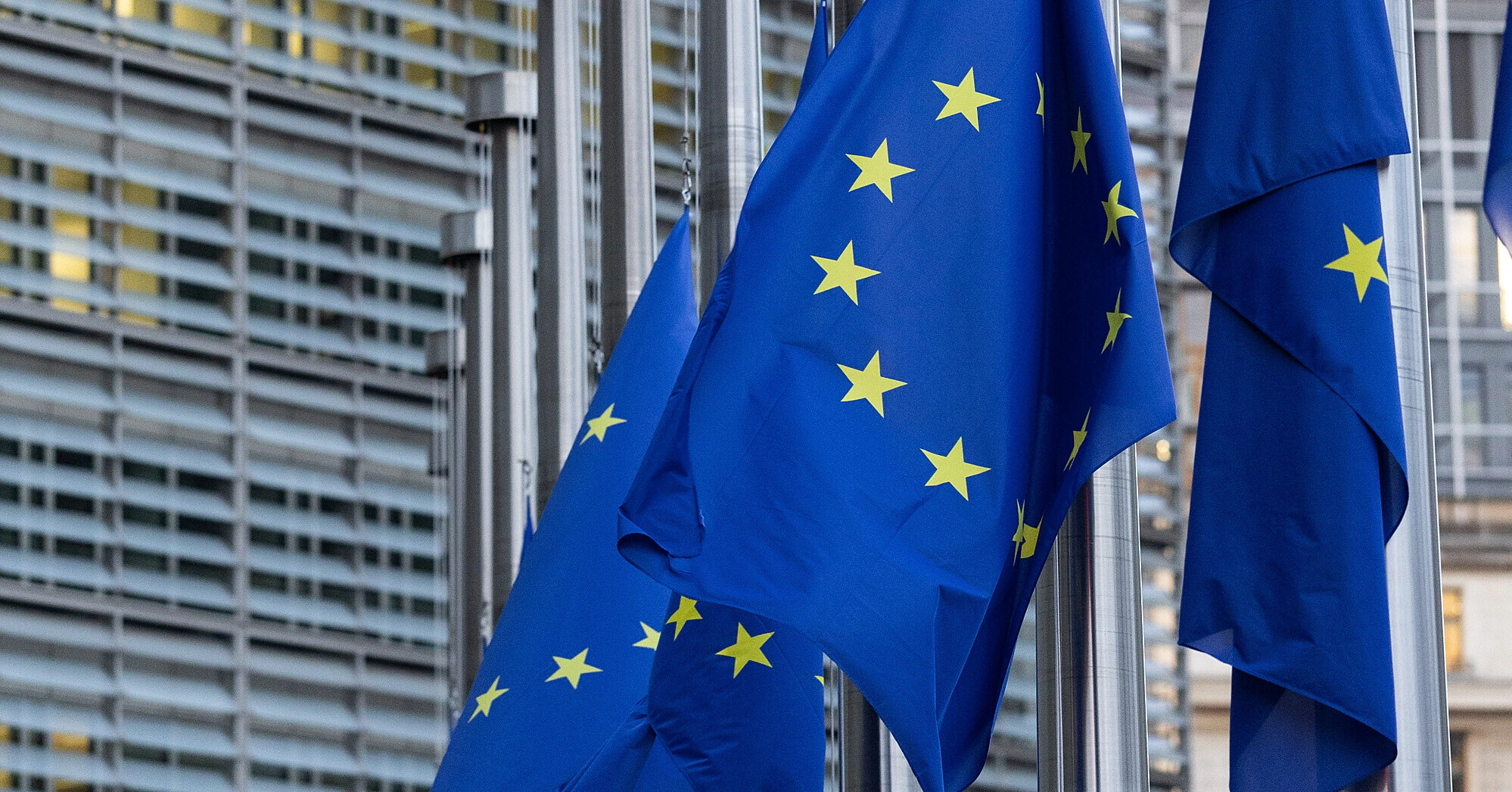
On October 12, the foreign ministers of the European Union approved the most extensive one-time expansion of the sanctions lists since the beginning of Russia's full-scale invasion of Ukraine. The new restrictions target more than 1.6 thousand individuals and companies, primarily enterprises of the Russian military-industrial complex involved in the production of missiles and other weapons.
The decision was announced at a meeting of the EU Council in Luxembourg by the EU High Representative for Foreign Affairs Kaja Kallas, reports the German public broadcaster ARD. The details of the sanctions list were previously published by the French newspaper Le Monde.
According to Le Monde, the new sanctions cover 1,646 individuals and legal entities. The bulk of the list consists of 743 individuals and 826 companies linked to the supply of weapons and components to the Russian army.
Another 77 sanctions entries target Russian politicians connected with the conduct of illegal elections to the State Duma of the Russian Federation on the temporarily occupied territories of Ukraine in September 2026.
More than half of the new sanctions entries, according to ARD, are related to the production of Russian ballistic missiles. The restrictions also target drone manufacturers, defense engineering enterprises, and other participants in military production chains.
Kallas explained that the goal of the new expansion is to limit Russia's ability to produce missiles and drones used for attacks on Ukraine.
The new restrictions provide for the freezing of assets of sanctioned individuals and companies in the EU. European companies and citizens are prohibited from providing them with funds or other economic resources. For individuals, entry restrictions to the European Union are also foreseen.
The sanctions may also affect the foreign economic relations of Russian defense enterprises. As one European diplomat explained to Le Monde, even companies that do not directly work with the EU market may face problems in cooperation with partners in Asia and other regions. Foreign counterparties often avoid transactions with enterprises included in European sanctions lists.
Separately, ARD reports sanctions against seven individuals and organizations from North Korea linked to the support of the Russian war against Ukraine. At the same time, additional restrictions on about 25 people and organizations involved in the attempted drone attack near German Leipzig still require legal processing.
European countries continue to tighten sanctions amid the easing of American restrictions on Russian diesel fuel.
US President Donald Trump previously agreed with Vladimir Putin to resume supplies of Russian diesel to the American market. This decision drew criticism in the European Union, as it may provide Russia with additional revenues from the export of oil products.
Kallas stressed in an interview with Le Monde that now is not the time to ease economic pressure on Moscow. In her opinion, the easing of American sanctions gives Russia additional resources to finance the war, while the European Union should continue to limit its military-industrial potential.
German Foreign Minister Johann Wadephul also welcomed the approval of the new sanctions list. He called the decision an unprecedented blow to the Russian war economy and emphasized the need to maintain pressure until the start of serious peace negotiations.
It is worth noting that the current decision primarily concerns the expansion of personal sanctions lists, rather than the introduction of a new comprehensive package of trade restrictions. The relevant measures target specific individuals, enterprises, and organizations that ensure the functioning of the Russian military-industrial complex.
The preparation of this expansion took several weeks. As early as the beginning of October, European diplomats reported agreement on a large-scale list of Russian enterprises and officials. Now the EU foreign ministers have given final approval to the previously prepared sanctions.
The full list of new sanctioned individuals and organizations, as well as the legal provisions on entry into force of the restrictions, are to be published in the official documents of the European Union.
Based on materials from: Tagesschau, Le Monde, Salzburger Nachrichten