

Kremlin did not support Zelenskyy's proposal for a 60-day ceasefire to hold elections
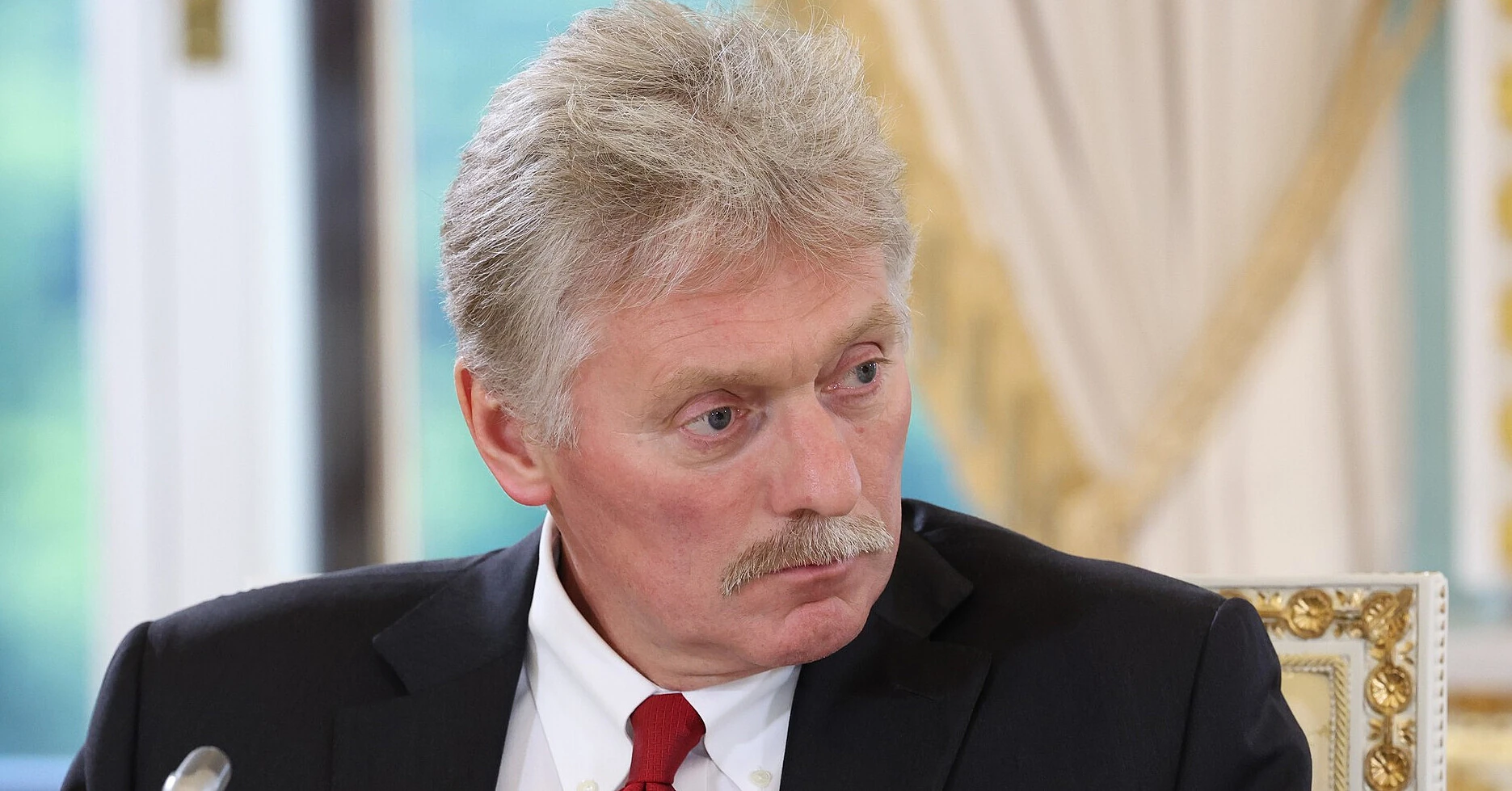
The Kremlin has effectively rejected the proposal of Ukrainian President Volodymyr Zelenskyy for a 60-day ceasefire that would allow for the organization of presidential elections. Moscow stated that it is not interested in a temporary truce and allegedly seeks to achieve long-term peace.
This was stated on October 12 by the press secretary of the President of Russia, Dmitry Peskov, while answering journalists' questions regarding Zelenskyy's initiative, according to TASS and RBC.
The Kremlin representative was directly asked how Moscow views the proposal of the Ukrainian president to hold elections on the condition of a cessation of hostilities for two months.
"The Kremlin has repeatedly said, and President Putin, and at other levels: we do not want a truce, we want long-term peace and are ready to do everything possible for this", Peskov replied.
Later, Peskov announced Putin's readiness to give instructions not to strike Ukraine on election day.
Thus, Moscow did not express agreement with the Ukrainian proposal, although Peskov did not voice a formal direct refusal to the 60-day truce specifically. Instead, he repeated the traditional Kremlin position, which insists on achieving a final political settlement instead of a temporary ceasefire.
Zelenskyy suggested Trump to achieve ceasefire for elections
On October 11, in an interview with American TV channel ABC News, Volodymyr Zelenskyy stated that Ukraine is ready to organize presidential elections if Russia agrees to a complete cessation of hostilities for at least 60 days.
Thus, the president responded to the statements of Donald Trump, who had previously called for a change of Ukrainian leadership, accusing Zelenskyy of unwillingness to conclude a peace agreement with Russia.
"If President Trump really wants elections to be held, tell Putin: give us two months, 60 days of complete ceasefire, and we will organize elections", Zelenskyy said.
He also emphasized that only Ukrainian citizens can elect the president of Ukraine, not leaders of other states.
On October 12, during the Warsaw Security Forum, Zelenskyy repeated this position. According to him, under conditions of daily Russian attacks, holding elections is impossible due to security threats and legislative restrictions.
A separate problem is ensuring the voting rights of military personnel. The president reminded that over a million Ukrainians are in the Defense Forces, a significant part of whom are performing tasks directly on the front line.
Zelenskyy said that if an agreement on a complete ceasefire is reached, he is ready to work with the Verkhovna Rada on necessary legislative decisions to organize the vote.
At the same time, holding presidential elections during martial law is currently prohibited by Ukrainian legislation. Therefore, even under the condition of cessation of hostilities, their organization will require separate legal decisions.
Contacts regarding energy truce continue
At the same briefing, Peskov said that contacts regarding a possible energy truce between Russia and Ukraine, which Donald Trump announced the day before, are continuing.
At the same time, the Kremlin representative did not confirm that such an agreement has already been reached, and did not specify its possible terms.
In particular, he declined to explain whether it concerns only the cessation of strikes on oil refineries, or the agreement may also apply to power plants, power grids, and other energy facilities.
According to Peskov, Moscow will publish additional information when it has concrete results to report.
We remind you that on October 11, Trump stated that Russia and Ukraine allegedly agreed to an immediate energy truce. However, the Ukrainian side learned about this message from the media, and Russian troops continued to strike Ukrainian energy infrastructure.
Zelenskyy said that Kyiv supports a mutual cessation of attacks on energy facilities and is ready to provide written guarantees of compliance with such an agreement on the condition of corresponding obligations from Russia.
At the same time, the energy truce and the 60-day full ceasefire are different initiatives. The first concerns limiting strikes on energy facilities, the second involves a general cessation of hostilities and creating conditions for holding elections in Ukraine.
Moscow declared commitment to U.S. position
Peskov also commented on the position of European states regarding Ukraine. According to him, the Kremlin prefers the approach of Donald Trump's administration more than the position of the European Union.
The Kremlin representative accused European countries of unwillingness to help end the war, calling them a "party of war." Instead, he characterized the American approach as more acceptable for Moscow.
These statements were made against the backdrop of disagreements between the United States and European allies regarding the easing of sanctions on Russian diesel fuel and further economic pressure on Russia.
So, as of October 12, the Kremlin has not agreed to the 60-day ceasefire proposed by Zelenskyy. At the same time, Moscow claims to be continuing contacts regarding a separate energy truce, without confirming the achievement of a final agreement.
Materials used: ABC News, speech by Zelenskyy at the Warsaw Security Forum