

Brussels announces new stage of EU enlargement with Ukraine's participation
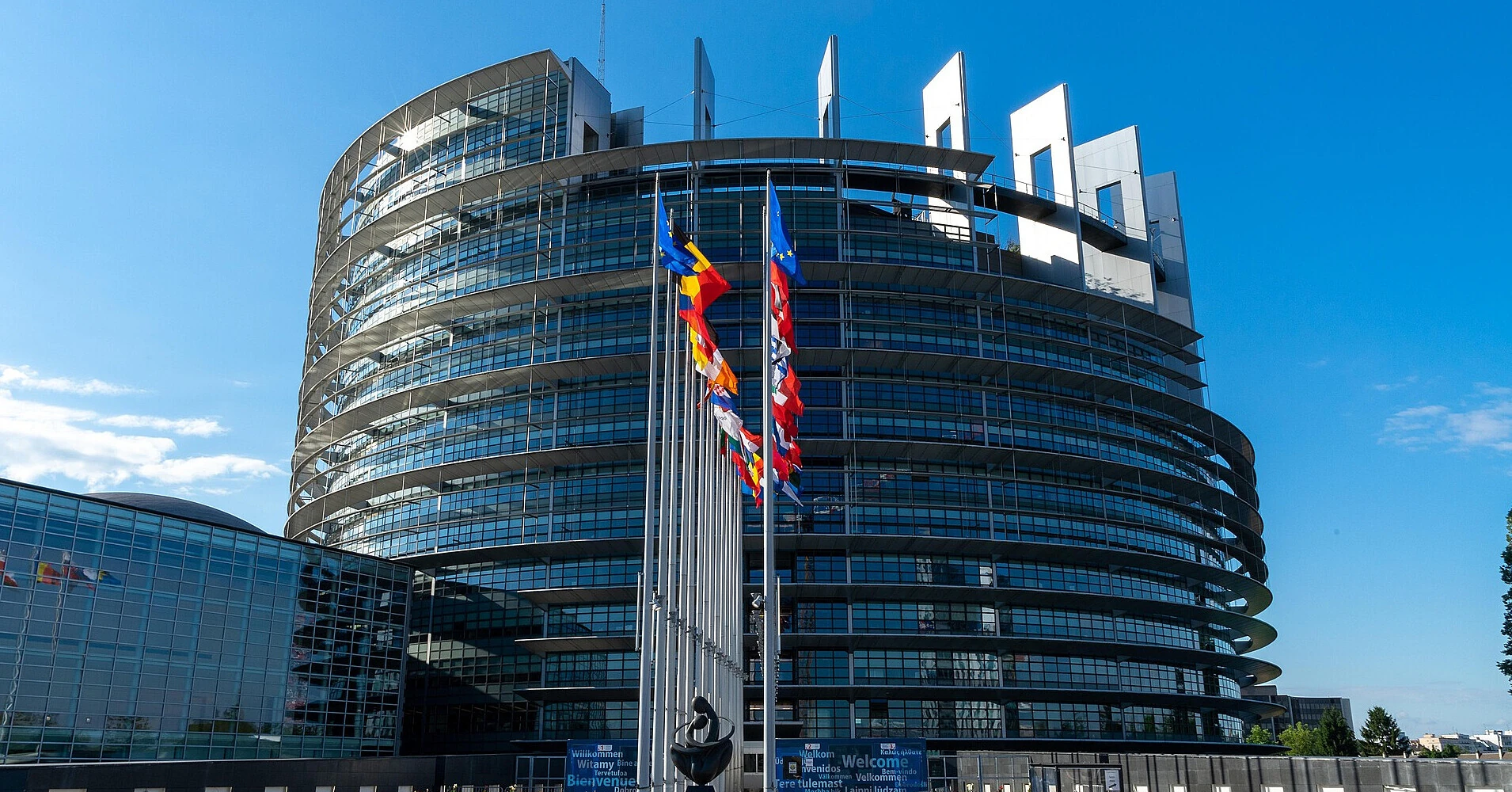
On Tuesday, October 13, the European Union intends to hold three intergovernmental conferences at once, dedicated to advancing accession negotiations for Ukraine, Moldova and Albania. For Ukraine this day may become an important stage of European integration, as the official opening of two more negotiation clusters is expected.
This was announced by Ireland's Minister for European Affairs Thomas Byrne, who published a corresponding statement on the social network X. Ireland will hold the presidency of the Council of the European Union from July 1, 2026.
Byrne called the upcoming day a "Super Tuesday" for Albania, Moldova and Ukraine, emphasizing the importance of the planned events for the further enlargement of the European Union.
According to the official calendar of the Council of the EU, intergovernmental conferences with the three candidate countries are scheduled for October 13 in Luxembourg. Each of them is expected to conclude with a separate decision concerning the negotiation process.
Ukraine hopes to open two new clusters
The upcoming negotiations are of greatest importance for Ukraine and Moldova. Both countries are preparing for the official opening of two additional clusters within the framework of EU membership negotiations.
These are the following areas:
- Cluster 2 "Internal Market" — covers the free movement of goods, services, capital and workers, competition, financial services and other issues of the functioning of the common European market.
- Cluster 3 "Competitiveness and Inclusive Growth" — includes economic and monetary policy, taxation, education, employment, industrial policy and business development.
The Council of the EU confirmed that the fourth intergovernmental conference with Ukraine is scheduled for October 13 and should ensure the opening of negotiations on both areas.
If the relevant decision is adopted, Ukraine will have four open negotiation clusters out of six.
Earlier, on June 15, the European Union officially opened with Ukraine the first cluster, "Fundamentals of the Accession Process", which covers the rule of law, the work of democratic institutions and public administration.
On July 14, the parties opened the sixth cluster, "External Relations", related to trade, foreign policy and security.
Hungary agreed to unblock negotiations
Preparation for the opening of new clusters was accompanied by lengthy negotiations between Ukraine and Hungary.
Budapest had previously blocked the advancement of the negotiation process, putting forward demands regarding the protection of educational and language rights of the Hungarian national minority in Ukraine.
On October 7, it became known that Hungary agreed to further procedural advancement of negotiations on clusters 2 and 3. However, the final decision was linked to amendments to Ukrainian education legislation.
On October 12, the Verkhovna Rada adopted the relevant law, and President Volodymyr Zelenskyy signed the document the same day.
The law provides additional guarantees for education in the languages of national minorities that are official languages of the EU, while maintaining the mandatory study of the Ukrainian language.
Thus, Ukraine fulfilled an important condition necessary for holding the next intergovernmental conference.
Moldova and Albania are also advancing toward EU membership
On October 13, the fourth EU intergovernmental conference with Moldova is to be held in Luxembourg.
According to an official statement by the Council of the EU, it is also planned to open negotiation clusters 2 and 3. Thus, Ukraine and Moldova may simultaneously move to the next stage of aligning national legislation with European norms.
For Albania, a different outcome is envisaged. At the tenth intergovernmental conference, the parties intend to provisionally close Chapter 20, dedicated to enterprise and industrial policy.
Provisional closure of a chapter means that the country has fulfilled the necessary conditions in the relevant area at this stage of negotiations. However, the final completion of the entire accession process requires agreement on the remaining issues and approval by EU member states.
A separate stage of the enlargement negotiations took place on October 12. A conference with Montenegro was scheduled for that day, at which chapters 18 "Statistics" and 19 "Social Policy and Employment" were to be provisionally closed.
Ireland intends to accelerate EU enlargement
Advancing negotiations with candidate countries is one of the priorities of the Irish presidency of the Council of the EU, which runs until the end of 2026.
A similar "Super Tuesday" already took place on July 14. On that day, under Ireland's presidency, four intergovernmental conferences were held in one day with Ukraine, Moldova, Montenegro and Albania. This was the highest number of such meetings in a single day since 2002.
The Irish government views the further enlargement of the European Union as a tool for strengthening European security, economic cooperation and political stability.
However, the opening of additional negotiation clusters does not mean automatic accession of Ukraine to the EU. After the start of negotiations, Kyiv must continue to fulfill its obligations on adapting legislation, carrying out reforms and implementing European standards.
For the final completion of negotiations, the consent of all EU member states will be required.
Based on materials from: Thomas Byrne, Council of the EU — negotiations with Ukraine, Council of the EU — negotiations with Moldova, Council of the EU — negotiations with Albania, Irish Presidency of the Council of the EU.