

Sybiga urged Europe to move from half measures to large-scale pressure on Moscow
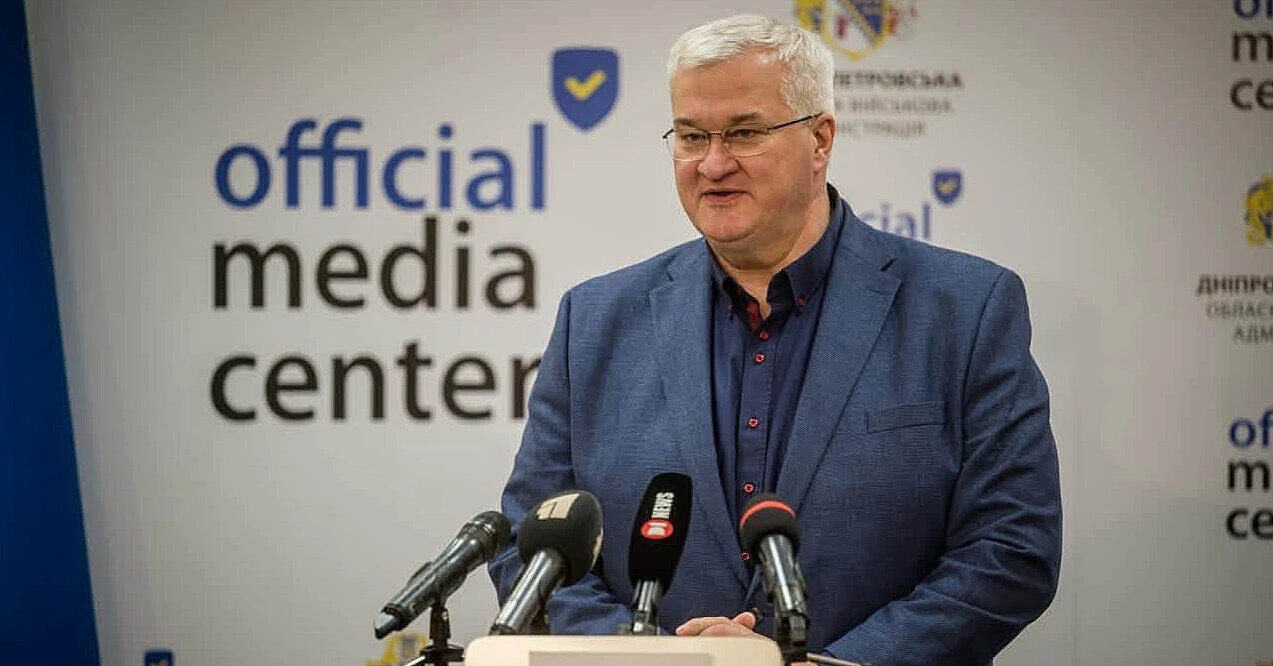
Ukrainian Foreign Minister Andrii Sybiga called on the European Union to adopt tougher economic and political measures against Russia, including the use of frozen Russian assets, trade restrictions and new sanctions. According to him, increasing pressure on Moscow should create conditions for achieving a ceasefire.
The head of Ukrainian diplomacy made this statement on Monday, 12 October, following his participation in the EU Foreign Affairs Council meeting in Luxembourg.
“The time has come for Europe to define its strong role. Our future and our security are in our hands. What is needed now is real European pressure on Moscow. Not half measures, but crushing pressure,” — said Sybiga.
He stressed that the European Union has economic and diplomatic tools that must be engaged to change the Russian leadership’s stance.
Ukraine proposed the EU strengthen restrictions against Russia
During talks with European ministers, Sybiga advocated expanding sanctions policy and using additional tools of economic pressure.
In particular, the Ukrainian side proposes:
- Fully utilise frozen Russian assets to support Ukraine.
- Introduce trade and transit embargoes limiting Russia's economic capabilities.
- Strengthen restrictions in the maritime sphere to reduce Russian shipping opportunities.
- Ban entry to the EU for Russian war participants and their family members.
- Restrict visa issuance for Russian citizens as much as possible.
- Expand Russia's isolation in sports and culture to limit the use of these spheres for state propaganda.
The Minister noted that the proposed restrictions should become part of a comprehensive policy of pressure on Russia.
These measures are proposals of the Ukrainian side. Their implementation will require separate decisions by European institutions and EU member states.
Sybiga spoke about ceasefire options
The meeting also focused on prospects for cessation of hostilities and diplomatic efforts to end the war.
Sybiga confirmed that Ukraine is ready to consider various ceasefire options.
“When it comes to peace efforts, Ukraine is ready for various ceasefire options. Energy. Food security. Full ceasefire,” — the minister wrote.
Thus, Kyiv allows both a comprehensive cessation of hostilities and separate agreements concerning the protection of energy infrastructure and food security.
However, the foreign minister stressed that the main obstacle remains the need to obtain Russia's consent to the relevant conditions.
“The question is how to force Moscow to agree. For this, decisive pressure is needed. Ukraine knows where to press, but we need the EU to be ready to do so,” — noted Sybiga.
The EU approved the largest expansion of sanctions lists
One of the concrete results of the EU Council meeting was the adoption of large-scale additional sanctions against the Russian military-industrial complex.
On 12 October, the European Union approved restrictive measures against 1,569 Russian individuals and legal entities linked to the production of weapons and military equipment.
The sanctions lists include 826 companies and 743 heads of these enterprises.
According to EU Council data, producers and suppliers of components for missiles, drones, aviation equipment, electronics, communication equipment and other weapons systems were targeted.
The new sanctions provide for asset freezes, a ban on providing funds to sanctioned persons, and restrictions on entry into the European Union for individuals.
In addition, the EU imposed sanctions on 77 people involved in holding illegal elections to the Russian State Duma in the temporarily occupied territories of Ukraine.
Sybiga welcomed these decisions and thanked the head of European diplomacy Kaja Kallas for consistent work on sanctions policy.
The meeting discussed Ukraine's funding gap
Another important topic of the talks was ensuring Ukraine's military and financial needs.
Sybiga said he informed European partners about the situation on the front line, Russian plans and the consequences of recent attacks on Ukrainian cities and infrastructure.
Before travelling to Luxembourg, the minister visited Dnipro, where he spoke with Ukrainian servicemen, and Pryluky, affected by a Russian strike.
“I informed EU colleagues about the realities on the battlefield, the enemy's plans and ways to deprive Russia of its advantages and help Ukraine achieve success,” — he said.
According to the minister, participants also discussed additional needs for defence financing and possible sources to cover the gap.
Sybiga thanked EU countries for confirmed additional contributions to Ukraine's defence and resilience. Specific amounts were not provided in his statement.
The official EU Council statement notes that ministers examined the expected funding gap for Ukraine for 2027 and the need for active participation by European states in meeting its financial needs.
Ukraine expects opening of two negotiation clusters with the EU
The meeting also addressed the further process of Ukraine's accession to the European Union.
Sybiga welcomed European states' agreement to advance negotiations on the next two clusters and confirmed Ukraine's readiness to continue the necessary reforms.
The clusters are:
- “Internal Market” — regulation of economic activity, free movement of goods, services and capital.
- “Competitiveness and Inclusive Growth” — economic policy, entrepreneurship, taxation, education and employment.
Ukraine expects the official decision to open these negotiation chapters to be taken on 13 October at an intergovernmental conference in Luxembourg.
The minister also said he presented to European partners Kyiv's position on new proposals for reforming the EU enlargement mechanism.
According to Sybiga, Ukraine remains committed to European integration reforms and expects further progress in membership negotiations.
The foreign minister thanked Kaja Kallas, European Commissioner for Enlargement Marta Kos, the Irish Presidency of the EU Council and member states for their support of Ukraine.
Thus, the meeting on 12 October concluded with the adoption of new sanctions against Russia's military-industrial complex and discussion of further ways to support Ukraine. The issues of using Russian assets and additional economic restrictions remain subject to negotiation.
Sources: Andrii Sybiga on X, Council of the European Union, EU Council press release on sanctions, European Pravda.