

Trump's diesel deal with Putin complicates peace talks on Ukraine - NYT
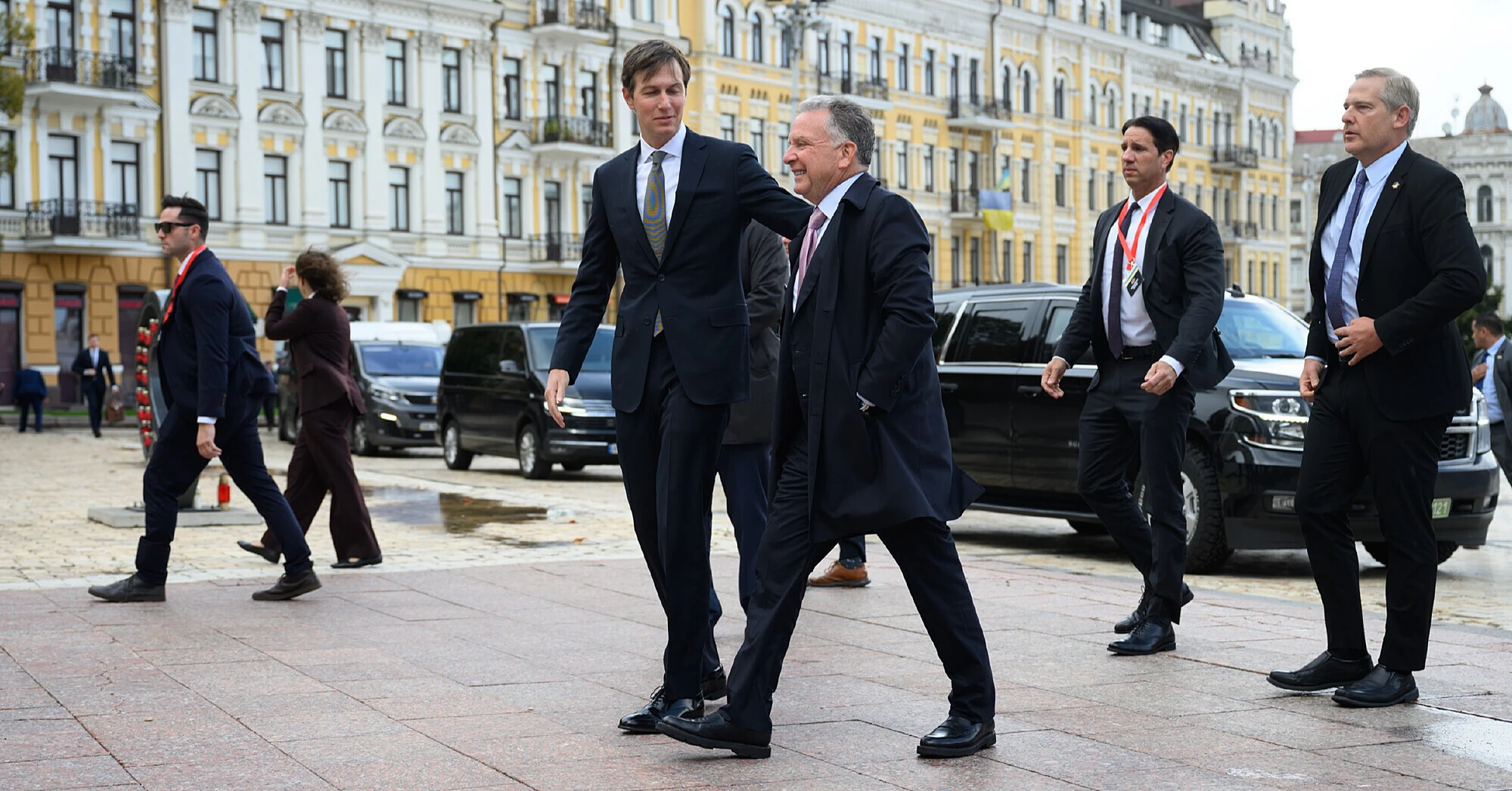
President Donald Trump's special representatives Steve Witkoff and Jared Kushner postponed a planned trip to Russia amid strained relations between Washington and Kyiv over Ukrainian strikes on Russian oil refineries. A new diplomatic conflict arose after the US agreement with Moscow on restoring exports of Russian diesel fuel.
The New York Times reports this, citing sources familiar with the negotiations.
According to the outlet, the dispute escalated on October 9 during a six-hour meeting at Witkoff's private golf club Shell Bay near Miami. Representatives of Ukraine, the US, the UK, Germany, France, the European Union and NATO participated in the negotiations.
The parties planned to discuss updated proposals for ending the Russian-Ukrainian war, including territorial issues, security guarantees and prospects for Ukraine's accession to the EU. After the meeting, American representatives were supposed to head to Moscow to continue negotiations.
However, during the meeting, Witkoff and Kushner announced Washington's decision to ease sanctions on Russian diesel and conveyed Trump's demand to stop Ukrainian attacks on Russian refineries.
One representative of the Ukrainian delegation asked what reciprocal concessions Kyiv could expect. American negotiators replied that the United States is already providing significant support to Ukraine, so it should not offer additional concessions in exchange for stopping the strikes.
According to NYT interlocutors, during the discussion, the Americans mentioned US intelligence assistance, which plays an important role in Ukraine's defense. Some participants perceived this as an indirect threat to halt it.
At the same time, a representative of the American administration denied that Washington threatened to limit intelligence sharing directly during this meeting.
According to two NYT sources, after the escalation of the dispute, Witkoff and Kushner made it clear that they were postponing the expected trip to Russia until Zelensky resolves the conflict with Trump. There is currently no official announcement about the cancellation or postponement of the visit.
The Washington Post also reports that the American side links further negotiations with Moscow to the cessation of Ukrainian strikes on Russian oil refining facilities.
Meanwhile, according to the publication, Washington and European partners continue to work on a broader peace plan. It involves discussing international financing for Ukraine's reconstruction, security guarantees, economic agreements and territorial settlement. There is no final agreement on these proposals.
The reason for the current conflict was Trump's agreement with Russian leader Vladimir Putin on diesel fuel. On October 9, the US Treasury temporarily allowed operations with Russian diesel, including its import to the United States. The decision is intended to increase fuel supply on the global market and help lower prices.
This issue is particularly important for the Trump administration ahead of the midterm congressional elections on November 3. American consumers and businesses have faced a significant rise in diesel prices, mainly caused by the war with Iran and disruptions in energy supplies from the Middle East.
Trump also links high prices to Ukrainian attacks on Russian oil infrastructure. Kyiv considers these strikes one of the most effective tools to reduce Russia's revenues and limit its ability to continue the war.
Ukraine has stated its readiness to stop attacks on Russian energy facilities provided Moscow takes similar actions. However, Russia did not agree to such a mutual arrangement and continued strikes on the Ukrainian energy system even after Trump announced on October 11 an allegedly achieved "energy truce".
The US president's decision to ease sanctions on Russian fuel also drew criticism in the US Congress. A group of senators from both parties urged the administration to cancel the deal, warning that additional revenues from exports could help Russia finance the war.
Earlier it was reported that the Trump administration warned Ukraine and European allies about the possible halt of intelligence sharing and supply of American weapons under the PURL program if Kyiv continues strikes on Russian refineries. However, there is currently no confirmed decision on actual termination of such support.
Based on materials from: The New York Times, The Washington Post