

Trump’s Former Special Envoy Backed Ukraine’s Strikes on Russian Oil Refineries
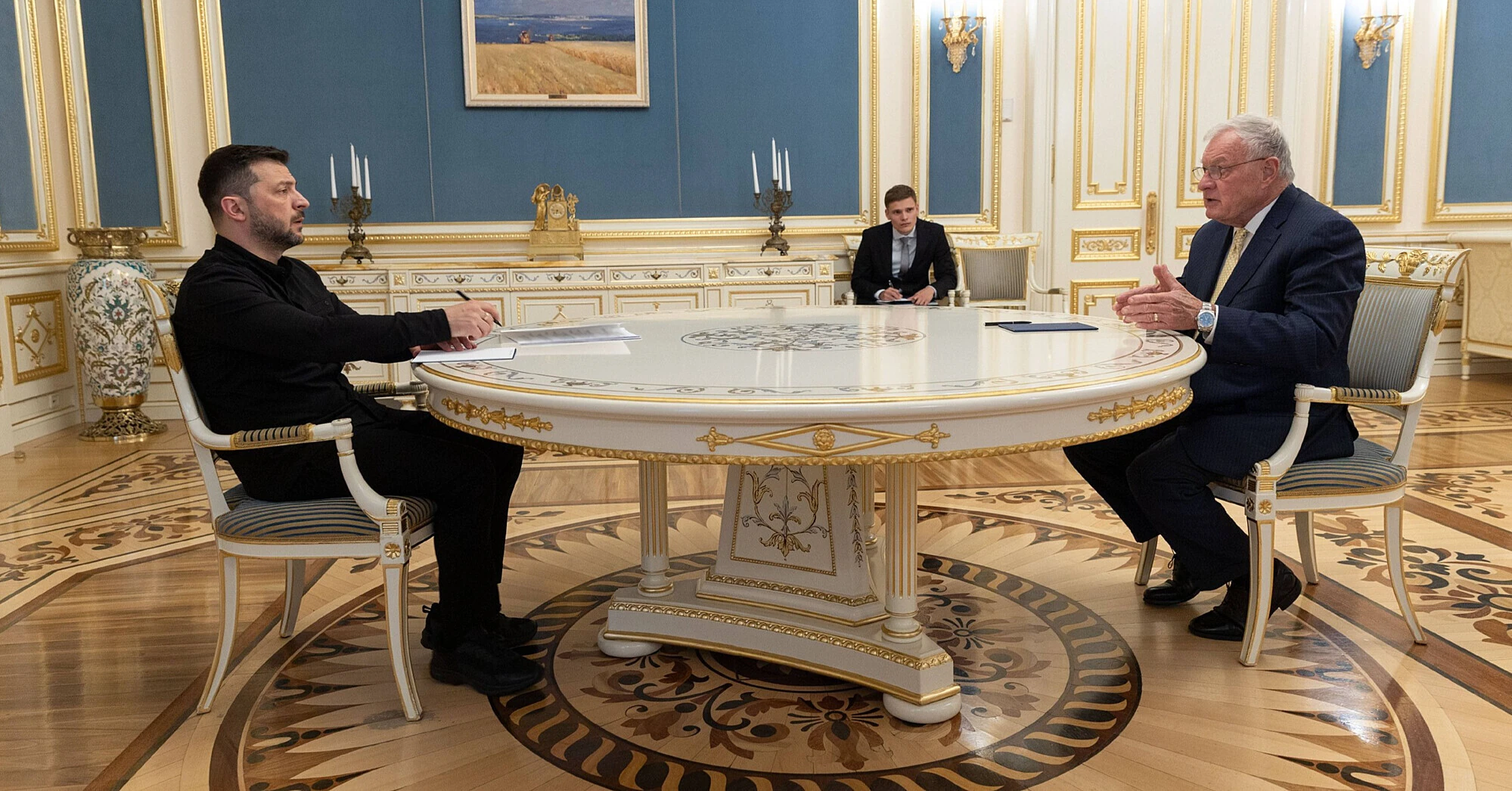
Former U.S. President Donald Trump’s special representative for Ukraine, Keith Kellogg, said that Kyiv should have the freedom to strike targets on Russian territory, including energy infrastructure facilities. His position contradicts the U.S. president’s demand to stop attacks on Russian oil refineries.
Kellogg stated this on October 12 in an interview with Bloomberg Television on the sidelines of the Warsaw Security Forum.
According to the former American envoy, during a war, the enemy cannot be allowed to create untouchable zones protected from retaliatory strikes. Kellogg referred to his own experience of participating in the Vietnam War and reminded that Russia itself systematically attacks Ukrainian energy infrastructure.
He is convinced that Ukraine should independently determine which targets on Russian territory to strike in order to counter aggression.
“Let the Ukrainians do what they are very good at”, — Kellogg said.
The retired lieutenant general, who held the position of Trump’s special representative until the end of 2025, also expressed confidence that Russia is not winning the war, but merely dragging out the hostilities.
Kellogg also skeptically assessed Trump’s recent agreement with Vladimir Putin on the supply of Russian diesel fuel to the world market. In his opinion, it will not have a noticeable impact on fuel prices and is not beneficial for the Russian leader.
The former White House representative believes that Putin is trying to use the approaching midterm elections to the U.S. Congress and Trump’s desire to lower fuel prices for his own interests.
“He is trying to take advantage of the upcoming U.S. elections and President Trump’s current position. And most people understand that”, — Kellogg noted.
According to his assessment, Putin is acting from a position of weakness, not strength. Kellogg cited estimates of Russian losses in the war at 1.2–1.5 million killed and wounded soldiers and stressed that they far exceed the losses of the USSR during the war in Afghanistan.
Trump Demands an End to Strikes on Russian Refineries
Kellogg’s statements came against the backdrop of the most acute diplomatic conflict between Kyiv and Washington in months.
On October 9, Trump announced an agreement with Putin on the resumption of supplies of Russian diesel fuel to the American and world markets. To implement the deal, the U.S. temporarily eased sanctions restrictions on transactions involving Russian diesel.
The American president explained the decision by the need to curb rising fuel prices, which had become an important economic issue ahead of the congressional elections on November 3.
At the same time, Trump accused Ukraine of creating additional problems for the world diesel market through attacks on Russian oil refineries. He stated that he had repeatedly demanded that Zelenskyy stop such strikes.
On October 10, Trump publicly called on the Ukrainian president to stop the attacks and even suggested that Ukraine choose a new leader capable of reaching an agreement with Russia.
According to Axios, one American official claimed that Trump had agreed to the diesel deal with Moscow after Zelenskyy ignored about six requests from Washington to stop strikes on Russian oil refining enterprises.
Kellogg, however, does not consider the current conflict between the two presidents a sign of an irreversible split. He called Trump’s sharp statements political noise and expressed doubt that the dispute would repeat the scale of the public conflict in the Oval Office in February 2025.
Kyiv Insists on Mutual Halt to Strikes
Ukrainian authorities reject demands for a unilateral halt to attacks on Russian oil refineries, which remain one of the important sources of income for the Russian economy.
On October 12, during his speech at the Warsaw Security Forum, Zelenskyy emphasized that Ukraine is ready to stop long-range strikes on Russian oil refining and oil exports if Moscow halts attacks on the Ukrainian energy system and critical infrastructure.
According to the president, after the “energy truce” announced by Trump, Russian forces continued to hit Ukrainian energy facilities. In particular, Russia attacked a power plant in Kharkiv, as well as a gas production facility and a gas station.
“We are ready to adhere to the energy truce if Russia is ready to do the same. We agree if they agree”, — Zelenskyy said.
He also questioned the ability of Russian diesel to significantly affect world prices. According to the Ukrainian president’s estimation, the potential additional volumes of Russian exports constitute only a minor part of world consumption.
Thus, Kellogg’s position coincides with Kyiv’s argumentation on the need to maintain the ability to strike Russian energy infrastructure. At the same time, his statements do not signify a change in the official policy of the Trump administration, since the former special envoy no longer represents the White House.
At the same time, this position contrasts with some other statements by representatives of the U.S. president. In particular, Alex Bruzevit, a political consultant and advisor to U.S. President Donald Trump on digital communications, publicly accused Zelenskyy of harming the U.S. through strikes on Russian oil refineries.
Based on materials from: Bloomberg, Axios, Office of the President of Ukraine