

Europe prepares new sanctions pressure on Moscow after Trump's diesel deal - Politico
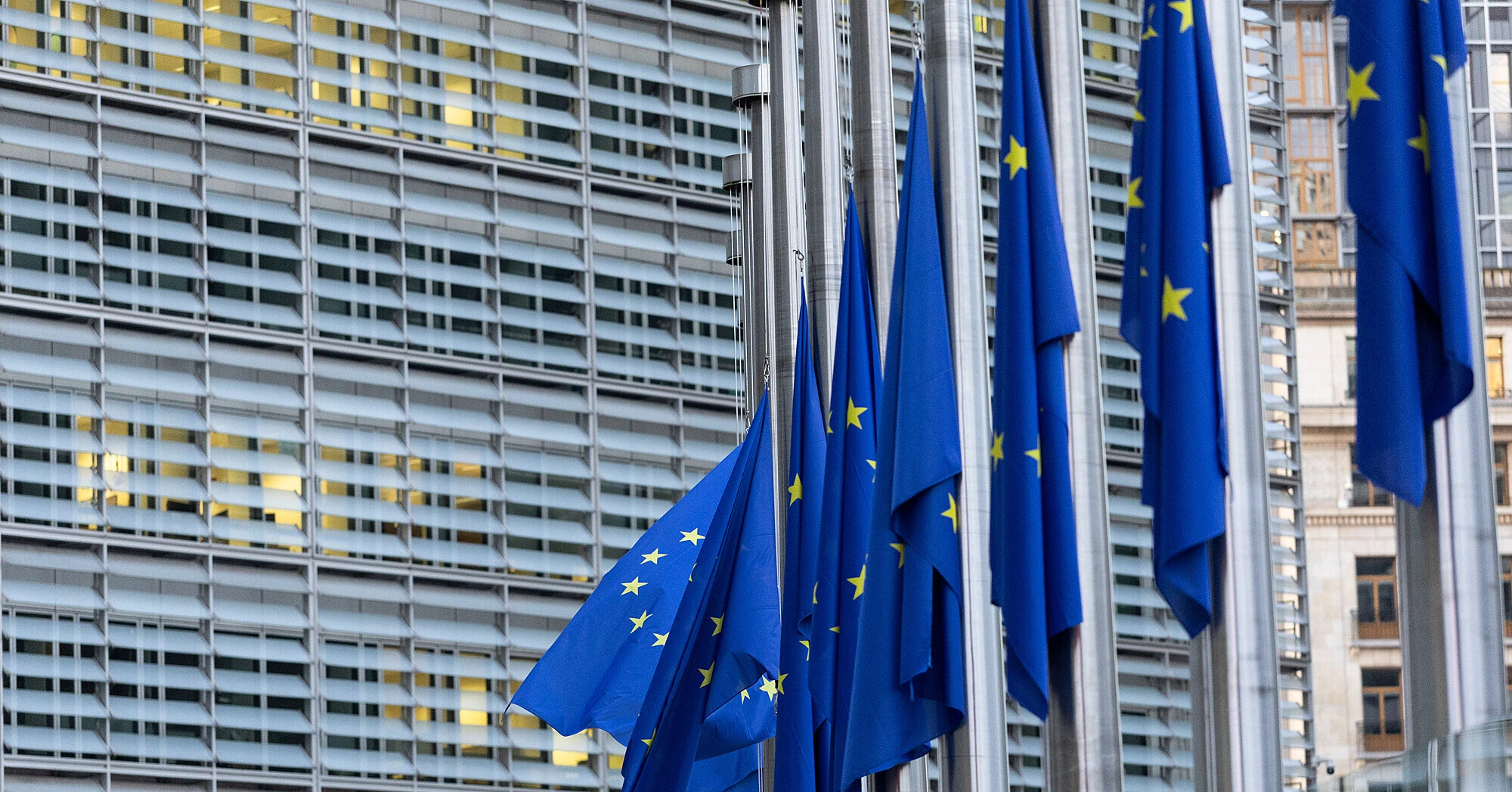
European Union leaders plan to call for the further tightening of sanctions against Russia, including restrictions aimed at reducing Moscow's oil revenues. The initiative will be discussed at the EU summit on October 15-16 in Brussels amid disagreements with US President Donald Trump, who agreed with Vladimir Putin to ease restrictions on Russian diesel exports.
This is reported by Politico with reference to the draft joint statement of European leaders prepared for the summit.
According to the document, EU heads of state intend to advocate for new sanctions measures aimed primarily against Russia's oil revenues. European governments consider restrictions on energy exports one of the key tools of economic pressure on the Kremlin.
However, the draft statement is not yet a final decision. Specific restrictions and the timing of their introduction must be agreed upon by EU member states.
Polish Prime Minister Donald Tusk said on October 12 during the Warsaw Security Forum that Russia does not demonstrate readiness to stop the war. He promised to call on European partners to seriously consider the possibility of further tightening sanctions.
A similar position was expressed by German Chancellor Friedrich Merz. According to him, Moscow will agree to serious negotiations only if economic pressure is maintained. The Chancellor emphasized that Germany and Europe do not intend to repeat Washington's decision to ease sanctions on Russian fuel.
Europe did not support Trump's diesel deal
New sanctions initiatives emerged after Trump announced an agreement with Putin on October 9 regarding increased supplies of Russian diesel to world markets.
To implement the agreement, the US Treasury Department issued a temporary license for transactions with Russian diesel fuel, including its import. The US administration hopes that increased supply will help restrain high fuel prices ahead of the midterm congressional elections on November 3.
In Brussels, on the contrary, they insist on the need to reduce Russia's energy revenues rather than create new opportunities for their increase.
EU foreign policy chief Kaja Kallas stated on October 12 that the European Union will continue sanctions pressure regardless of Washington's agreements with Moscow. She also called on the US to fully use its own sanctions mechanisms against Russia.
According to Politico, European diplomats link Trump's decision primarily to the domestic political situation in the US. At the same time, they doubt that additional volumes of Russian diesel will be able to significantly affect US retail prices.
Another point of contention was Trump's claim about a supposedly reached energy truce between Ukraine and Russia. European officials questioned the existence of such an agreement, as Moscow continued strikes on Ukrainian energy infrastructure, and Kyiv did not confirm the conclusion of a bilateral agreement.
EU has already expanded sanctions against Russian military-industrial complex
Ahead of the summit, on October 12, the EU Council approved the largest single expansion of sanctions lists since the beginning of Russia's full-scale invasion.
Restrictions were imposed on 1,569 individuals and legal entities linked to Russia's military-industrial complex. The list includes 826 companies and 743 of their executives.
Special attention was given to enterprises supplying components for Russian ballistic missiles, drones, aviation, and other weapons systems.
After this, the total number of EU sanctions listings under the regime for violating Ukraine's territorial integrity approached 4,600.
At the upcoming summit, European leaders will also discuss continued support for Ukraine, including ensuring the operation of its critical infrastructure ahead of winter, and countering Russian hybrid threats.
The outcome of the negotiations is expected to define the further sanctions course of the European Union. However, the approval of a political call to intensify pressure will not mean automatic introduction of a new package of restrictions.
Based on materials from: Politico, European Council, Council of the EU