

China accelerated exports amid growing global demand for technology
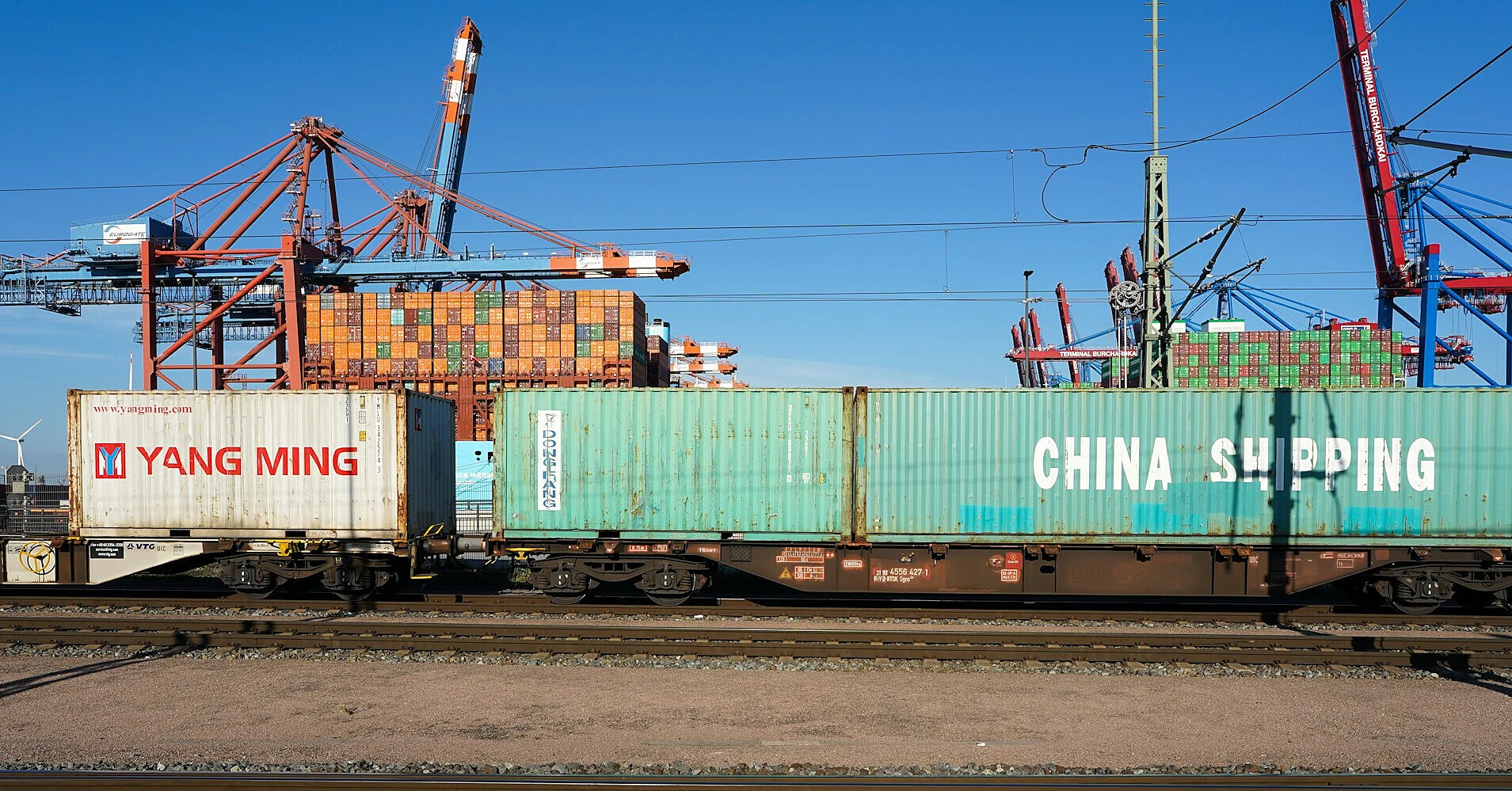
China's exports in September 2026 grew by 36.3% year-on-year, significantly exceeding economists' expectations. The main factor behind the acceleration was shipments of semiconductors, computer equipment, and automobiles. As a result, the country's trade surplus is approaching a new historical record.
This is evidenced by data released on October 14 by the General Administration of Customs of China, as cited by Financial Times, Nikkei Asia, and The Wall Street Journal.
In September, China exported $447.18 billion worth of goods - 36.3% more than a year earlier. This is the fastest growth since February 2026, when the rate was 39.6%.
For comparison, Chinese exports increased by 25% in August and 23.9% in July. Analysts had expected the growth pace in September to remain roughly at August levels, but actual results turned out to be significantly higher.
China's imports also accelerated - up 31% year-on-year to $313.65 billion. In August, the figure rose by 28.2%.
As a result, China's foreign trade surplus reached $133.5 billion in September, compared with $119.1 billion in August. This is the largest monthly surplus since January 2025.
For January-September 2026, China's cumulative trade surplus was approximately $938 billion. Thus, China is approaching the record result of 2025, when the excess of exports over imports reached about $1.2 trillion.
The main driver of export growth was global demand for high-tech products related to the development of artificial intelligence. According to the Financial Times, semiconductors and automatic data processing equipment accounted for about 13 percentage points of the overall export increase.
The value of semiconductor exports more than doubled compared with September of last year. Shipments of computer equipment and automobiles, particularly electric vehicles, also grew significantly.
The increase in exports covered China's major foreign markets. According to The Wall Street Journal, shipments to the United States rose by about 40%, to the European Union - by 25.3%, and to Southeast Asian countries - by 52.3%.
Meanwhile, the acceleration of Chinese exports heightens concerns among trading partners due to growing trade imbalances. This is particularly true for the European Union, where additional measures to protect the internal market from the increase in Chinese industrial goods are being discussed.
Despite strong foreign trade indicators, China's domestic economy remains under pressure from weak consumer demand and prolonged problems in the real estate sector. In the second quarter, economic growth slowed to 4.3%, which is below the government's annual target of 4.5-5%.
Exports remain one of the main sources of support for the Chinese economy. If the high pace of external shipments continues in the last quarter, the country may surpass last year's record trade surplus.
Based on materials from: Financial Times, The Wall Street Journal, Nikkei Asia