

Oil rises due to new attacks on tankers and Saudi Aramco facilities
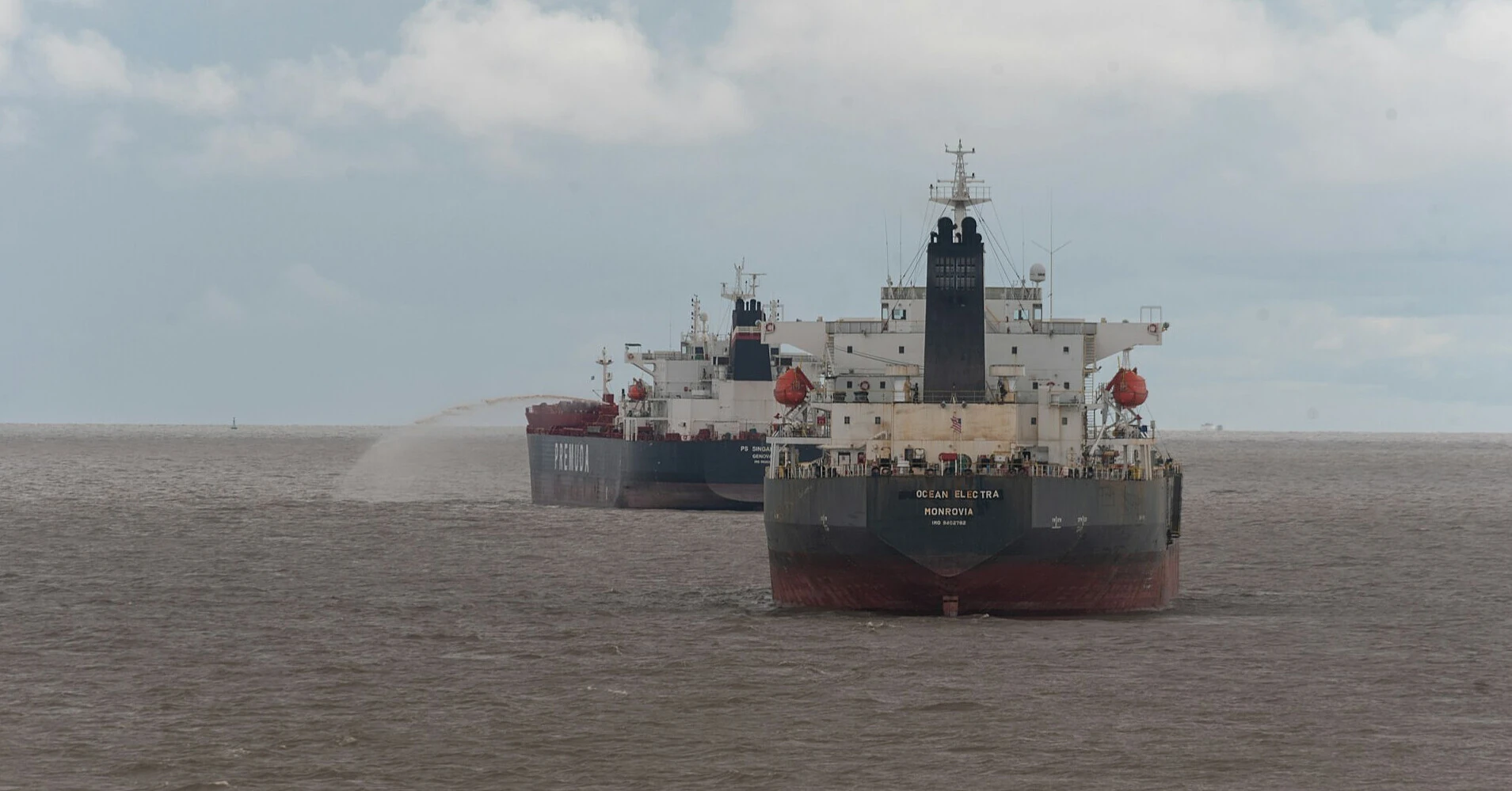
World oil prices are rising on Wednesday, October 14, amid escalating hostilities in the Middle East. New attacks on tankers in the Strait of Hormuz and strikes on Saudi Arabian facilities have increased concerns about the stability of oil supplies to the world market.
According to Bloomberg, during morning trading, Brent crude exceeded $106 per barrel, while American West Texas Intermediate (WTI) approached $95.
Brent rose to approximately $106.5 per barrel after falling 0.9% on Tuesday. WTI also turned positive, recovering after previous fluctuations.
The main driver of the price increase was a new wave of attacks on commercial vessels in the Strait of Hormuz. The intensification of attacks, which are linked to Iran, threatens to derail the restoration of oil exports from the Persian Gulf to pre-war volumes.
Recently, the transportation of energy resources through the strait has been gradually increasing. According to the American side, the United States has facilitated the passage through this sea route of cargoes totaling more than 19 million barrels of crude oil.
However, new incidents are forcing shipping companies to revise routes. According to the British maritime trade operations center UKMTO, on October 11 alone, four tankers were struck by unidentified projectiles while transiting the Strait of Hormuz.
Due to growing risks, more and more large tankers are refusing to enter the Persian Gulf. This complicates the restoration of oil supplies, despite the gradual increase in export volumes from the region.
Additional pressure on the oil market comes from the escalation of the conflict between Saudi Arabia and Yemeni Houthis, who are supported by Iran.
Saudi air defense forces intercepted new missiles and drones launched from the territory of Yemen. At the same time, during the latest wave of attacks, an administrative building on the territory of the Saudi Aramco oil company complex in the city of Dammam was damaged.
According to the Financial Times, the strike caused a limited fire, but no casualties were reported. There is no confirmed data on the halt of oil production as a result of this incident.
The attack on Saudi Aramco came after the Houthi strike on the main airport in Riyadh last week. At the same time, forces supported by Saudi Arabia have launched an operation to retake territories in Yemen that are under rebel control.
According to Bloomberg, since the beginning of 2026, Brent has risen more than 70% amid the war between the United States and Iran and disruptions in energy supplies through the Persian Gulf.
Raymond James analyst Pavel Molchanov noted that despite constant changes in the situation, the overall operating conditions for the oil market in the Persian Gulf have remained difficult for several months.
According to him, shipping companies are gradually adapting to the danger, increasingly using ship-to-ship transfers of oil in open waters. This allows for maintaining exports while reducing risks to vessels.
At the same time, further dynamics of oil prices will depend on the security of shipping in the Strait of Hormuz and the scale of military actions in the region. New strikes on tankers or oil infrastructure may increase concerns about supply shortages and support price growth.
Based on materials from: Bloomberg, Bloomberg, Financial Times