

Klitschko in Rada named scale of attacks on Kyiv CHP plants and problems with preparing for winter
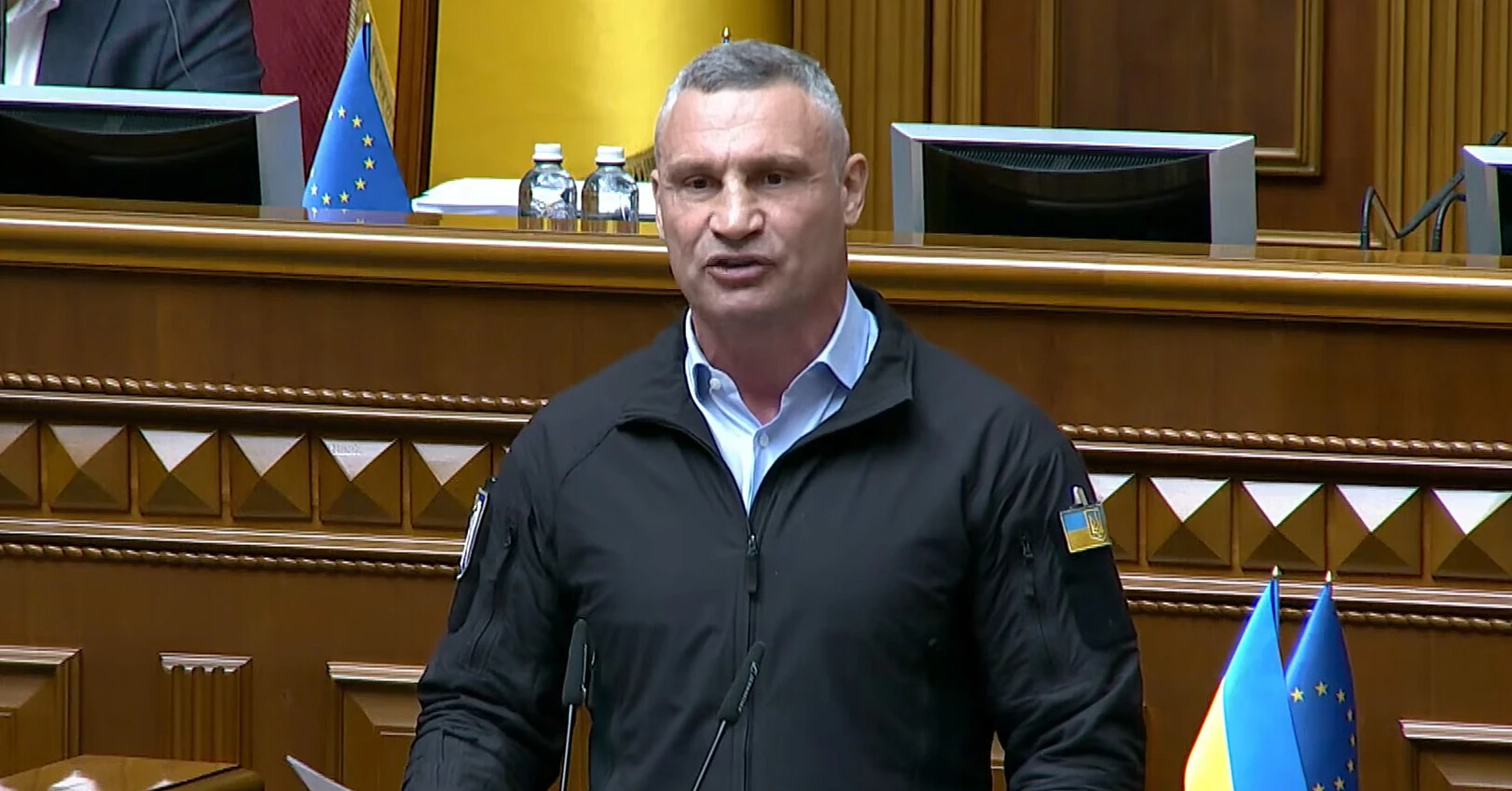
Kyiv Mayor Vitali Klitschko on October 14 spoke in the Verkhovna Rada with a report on the capital's preparation for the heating season. According to him, in 2026, almost 50 Russian missiles and drones already hit the two largest capital thermal power plants - TEC-5 and TEC-6. At the same time, the city has prepared hundreds of generators and mobile boiler houses, but part of the energy resilience projects, as the mayor claims, were delayed by blocked payments.
Klitschko reported this on his Telegram channel following his speech to people's deputies.
The mayor emphasized that the capital's infrastructure operates under constant Russian attacks. Strikes on energy facilities affect not only electricity supply but also the operation of the water supply system, electric transport, and other city services.
Number of strikes on capital TPPs increased significantly
According to Klitschko, the intensity of Russian attacks on TEC-5 and TEC-6 in 2026 became the highest since the start of the full-scale invasion.
He cited data on the number of missiles and drones that attacked these two energy facilities in different years:
In 2022 - 12 missiles and drones, in 2023 - seven, in 2024 there were no such hits, and in 2025 their number increased to 19. In almost the entire 2026, as the mayor stated, almost 50 missiles and drones have already hit these two stations.
Thus, according to data presented by Klitschko, the number of Russian weapons attacking TEC-5 and TEC-6 this year was more than double the figure for the entire 2025.
The mayor noted that after each attack, energy workers carried out restoration work, repaired damaged equipment, and continued preparing the facilities for the next heating season.
The situation was further complicated after a massive Russian strike on the night of October 13. According to Ukrainian authorities, all capital thermal power plants were attacked.
What reserve capacities Kyiv prepared
During his speech in parliament, Klitschko also presented indicators of the city infrastructure's preparation for operation under possible prolonged power outages.
According to him, the capital has prepared almost 700 generators of various capacities and 70 mobile boiler houses for heat and water supply facilities.
In addition, Kyiv has already built three diesel power plants and a reserve water intake.
Separately, the mayor spoke about providing reserve power to Kyivvodokanal. The company currently has 103 generators. Additionally, abroad, powerful generator systems intended to maintain the operation of water supply facilities are being manufactured for Kyiv.
For the housing stock, within energy resilience programs, over 6 thousand units of equipment, including generators, inverters, and battery banks, have been purchased.
At the same time, the indicators cited by the mayor do not imply complete autonomy of all municipal infrastructure. The speech did not specify for how long all these facilities could operate without centralized power supply.
Hospitals and educational institutions are provided with backup power
Klitschko devoted a separate part of his speech to the preparation of social infrastructure.
According to his information, all educational institutions in Kyiv have generators of various capacities. In particular, 285 generators belong to high-power equipment.
City hospitals are generally equipped with 480 generators. In addition, 15 medical institutions have their own wells for water supply, and six more are under construction.
Currently, 11 hospitals have autonomous heat supply from their own boiler houses. By the end of 2026, the city authorities plan to increase their number to 21.
Klitschko emphasized that the development of reserve capacities continues despite staff shortages at municipal enterprises and regular damage to city infrastructure.
Klitschko accused the government of blocking energy resilience projects
During his speech, the mayor criticized the central government, stating that the suspension of payments hampers the implementation of some city projects.
According to Klitschko, due to blocked funds, certain projects to increase the capital's energy resilience were frozen and deadlines for their implementation were disrupted.
At the same time, he did not specify which projects were affected, the amount of suspended payments, or which facilities were supposed to be completed earlier.
The mayor also rejected accusations of improper preparation of Kyiv for the heating season, emphasizing that the city continues to restore infrastructure under constant shelling.
"And at the same time we hear cynical accusations of supposedly disrupting the heating season. Which hasn't even started yet!" - Klitschko said.
In addition, he raised the issue of responsibility for air defense of the capital and protection of Ukrenergo facilities, questioning the use of funds allocated for these needs.
As the head of the Association of Cities of Ukraine, Klitschko also stated that problems with payments concern not only Kyiv but also other territorial communities. In his opinion, this complicates local economic operations and infrastructure preparation for winter.
The allegations presented are the mayor's position. Klitschko's report does not include a government response to his claims.
Why Klitschko was invited to the Verkhovna Rada
The day before, on October 13, the Verkhovna Rada supported the proposal of People's Deputy Mariana Bezuhla to invite the Mayor of Kyiv for explanations regarding the situation in the capital.
The decision was supported by 151 people's deputies, eight voted against, nine abstained.
The invitation was related to electricity and water supply disruptions in Kyiv after Russian attacks, as well as questions about the city's infrastructure preparation for the autumn-winter period.
During his speech on October 14, Klitschko presented information on reserve energy supply and restoration work, while insisting that Kyiv's readiness for winter should be assessed taking into account the scale of Russian strikes and funding problems.
Based on materials from: Vitali Klitschko, Kurs Ukrainy