

Germany proposes to expand import quotas from China beyond the automotive market
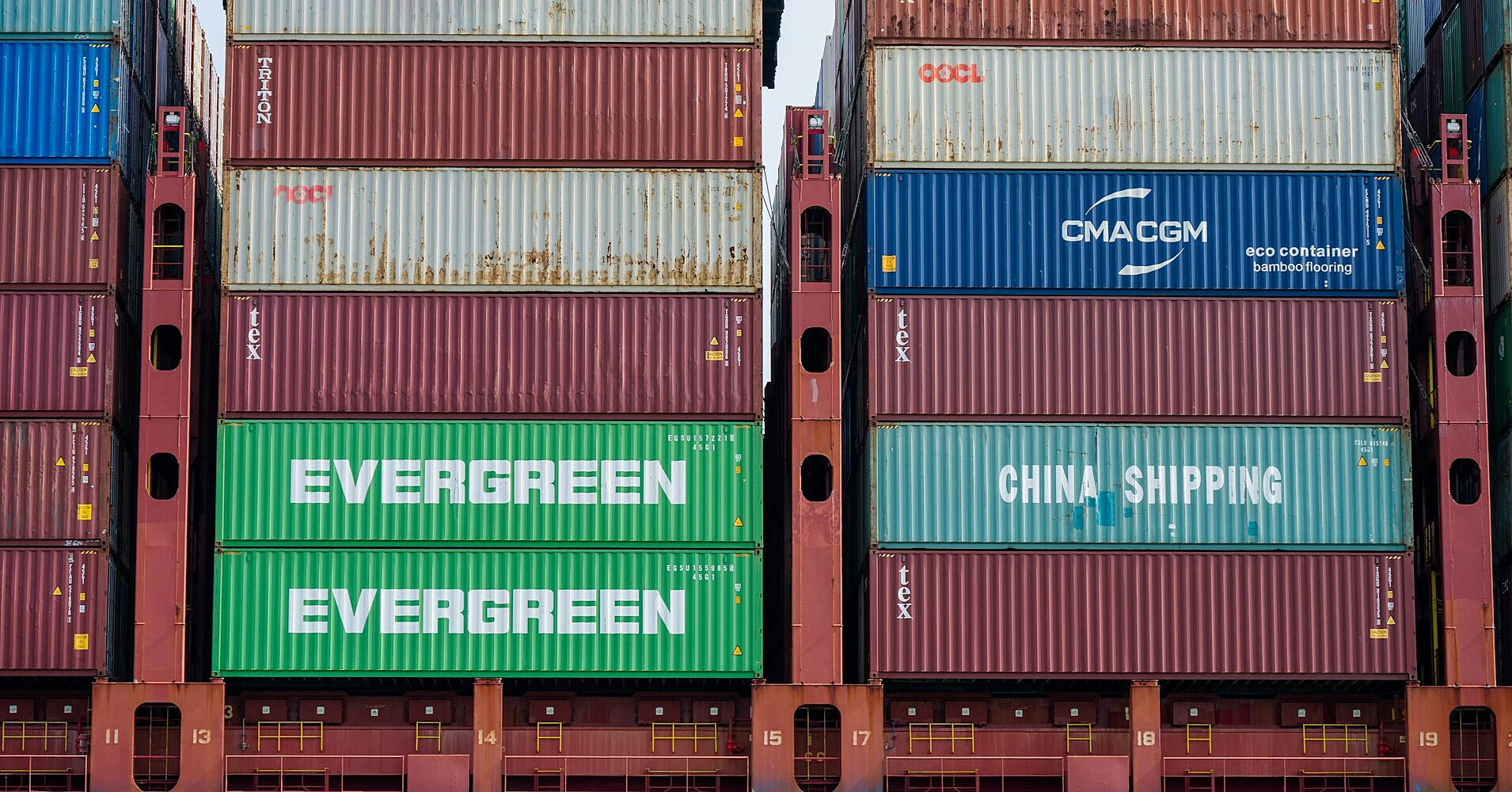
Germany plans to seek introduction of new import quotas by the European Union on goods from China. The restrictions may expand to the chemical industry, mechanical engineering, and pharmaceutical sector. Berlin wants to use the internal market protection mechanism that the EU already agreed for Chinese hybrid cars.
Bloomberg reported this on October 14, citing sources familiar with the German government's plans.
Germany intends to call on the European Commission to prepare proposals for new trade restrictions by the end of 2026. This concerns the application of special safeguard measures, which allow the EU to restrict imports of certain products in case of a surge in supplies, which creates a threat to local producers.
According to the agency's sources, Berlin is primarily considering the introduction of quotas for Chinese chemical goods and mechanical engineering products. Pharmaceutical products could potentially also be included in the list.
The specific categories of goods, volumes of possible quotas, and the timing of their introduction have not yet been determined.
At the time of publication, the German Chancellor's office did not respond to Bloomberg's request regarding these plans.
EU prepares to expand safeguard measures against Chinese imports
Germany's new initiative appeared after the agreement between the European Union and China regarding the restriction of supplies of Chinese hybrid cars.
Following trade negotiations in Beijing, the parties agreed on a mechanism that provides for the establishment of an annual quota for imports of Chinese hybrids to the EU at the level of 350 thousand cars.
This should significantly reduce the presence of Chinese manufacturers in the respective segment of the European automotive market. At the same time, cars produced by Chinese companies directly within the territory of the European Union will not be subject to import restrictions.
Berlin considers the automotive agreement to be only the first stage of a broader policy to protect European industry.
European Commissioner for Economy Valdis Dombrovskis also stated that the problems of trade imbalance between the EU and China are not limited to the automotive sector.
"It is obvious that these economic and trade imbalances are not limited to the automotive sector. We need to continue this work in other sectors as well", he noted during an interview in Bangkok on October 13.
EU trade deficit with China hits new record
The strengthening of European trade policy occurs against the backdrop of rapid growth in Chinese exports.
According to Bloomberg, in September the trade deficit of the European Union with China reached a record 34.8 billion dollars.
At the same time, total Chinese exports in September grew by 36.3% compared to the same month last year. Chinese manufacturers are actively increasing supplies of industrial goods to world markets, particularly to Europe.
European countries fear that further growth in imports of relatively cheap Chinese goods will intensify competition for local enterprises and lead to a reduction in production and jobs.
Sectors particularly vulnerable to such changes are considered to be those where European companies face competition from Chinese manufacturers, which have lower production costs or enjoy state support.
Germany has traditionally been cautious about introducing trade restrictions against China due to close economic ties between the countries. However, recently Berlin's position is changing against the backdrop of difficulties in German industry and growing competition from Chinese companies.
Germany and France prepare joint position
The issue of trade relations with China will be one of the topics of the European Union leaders' summit, which will take place on October 15 in Brussels.
According to Bloomberg, German Chancellor Friedrich Merz and French President Emmanuel Macron seek to achieve political agreement between EU countries on strengthening internal market protection.
The goal of Berlin and Paris is to gain support from European leaders for the European Commission to develop new trade instruments.
Separately, Merz and Macron plan to discuss measures to support the EU automotive industry.
Among possible compromises, according to the agency, is the softening of France's position regarding the gradual phase-out of internal combustion engine vehicles in exchange for Germany's readiness to support part of the demands regarding the priority of European products.
Currently, it is only about political negotiations and preparation of possible proposals. The EU has not yet made a decision on introducing quotas for Chinese goods of the chemical, mechanical engineering, or pharmaceutical sectors.
If the new restrictions gain support, they may affect the conditions of competition in the European market, the volume of Chinese exports, and the purchasing costs of enterprises that use Chinese products in their own production.
Sources: Bloomberg, The Guardian