

ECHR began considering cases of Oschadbank collectors against Hungary
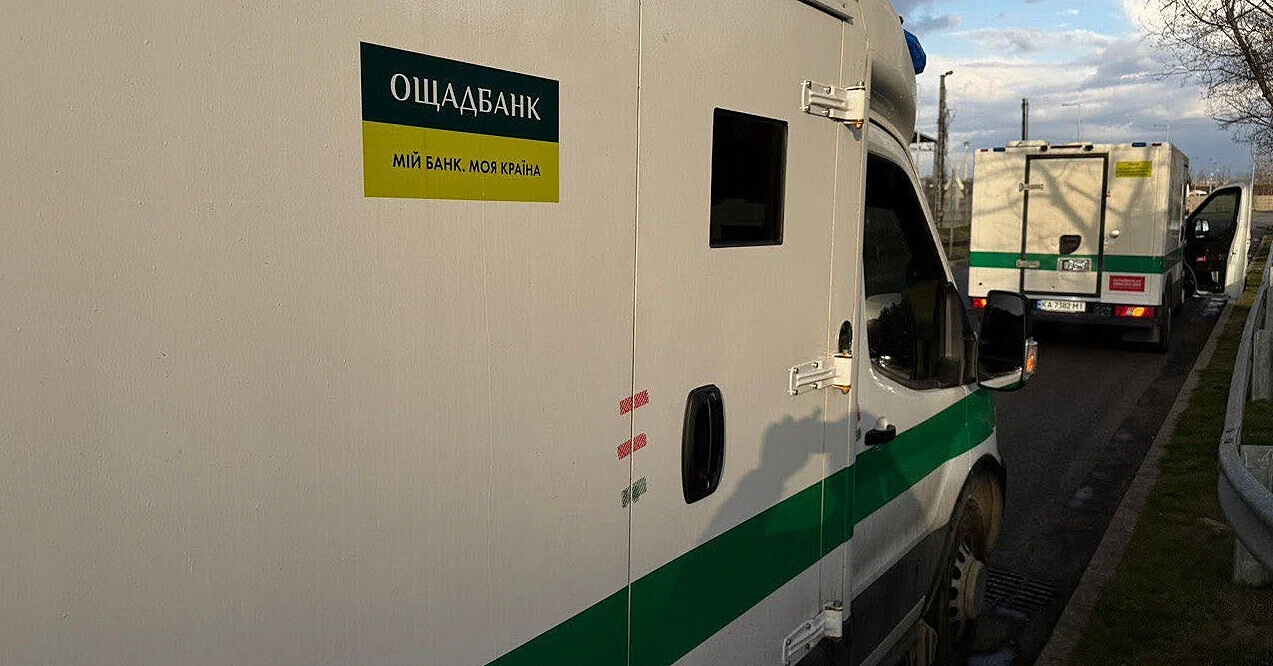
The European Court of Human Rights (ECHR) in Strasbourg registered and began considering six applications of Ukrainian collectors of Oschadbank against Hungary. Employees of the state bank are challenging the circumstances of their detention by Hungarian law enforcement in March 2026 and claim violation of their rights, in particular cruel treatment.
This was reported by Oschadbank's press service on October 15.
The ECHR Secretariat confirmed registration of six applications filed on July 5 and assigned official numbers to them. A similar procedure is expected for the seventh collector, who also appealed to the court due to the circumstances of the detention in Hungary.
The bank stated that it received official notifications from the court and access to the eComms electronic communication system. Currently the cases are at the initial written stage of the proceedings.
The applications concern possible violation of two articles of the European Convention on Human Rights: Article 3, which prohibits torture, inhuman and degrading treatment, and Article 5, which guarantees the right to liberty and personal security.
Oschadbank considers the registration of applications an important stage in protecting the rights of its employees. At the same time, this does not yet mean that the ECHR has found Hungary guilty of violating the Convention or has ruled on the merits of the complaints.
"We will continue to consistently defend the interests of our employees and protect not only people's rights but also the reputation of the state financial institution", - stated Chairman of the Board of Oschadbank Yurii Katsion.
Background of detention of collectors
On March 5, 2026, Hungarian law enforcement detained seven employees of Oschadbank and two collection vehicles transporting currency and bank gold from Austria to Ukraine.
The vehicles contained 40 million dollars, 35 million euros and 9 kg of gold bars. According to the bank, the transportation was carried out as part of regular interbank operations with Austrian Raiffeisen Bank International.
Hungarian law enforcement began an investigation into the origin of the funds and precious metals. Oschadbank from the very beginning insisted on the legality of the operation and demanded the release of employees and return of property.
The detained Ukrainians were later released. The collection vehicles were returned to the bank on March 12, and cash and gold - only on May 6.
In August, Hungarian law enforcement closed the criminal proceedings regarding transportation of valuables due to lack of corpus delicti.
The Hungarian National Tax and Customs Administration (NAV) established that the funds and gold had a lawful origin, belonged to Oschadbank and were acquired as part of interbank operations.
As a result of the check, the Hungarian investigation found no evidence of criminal origin of the assets or signs of other offenses related to their transportation.
However, the closure of this proceeding did not resolve the question of responsibility for the actions of Hungarian security forces during detention of Ukrainian citizens.
Now the ECHR has to consider complaints of collectors about possible violation of their rights. At the initial stage of the judicial process, there is no decision on the merits of the applications yet.
Based on materials: Oschadbank, Oschadbank