

Sybiha accuses Russia of openly rejecting Trump's peace initiatives
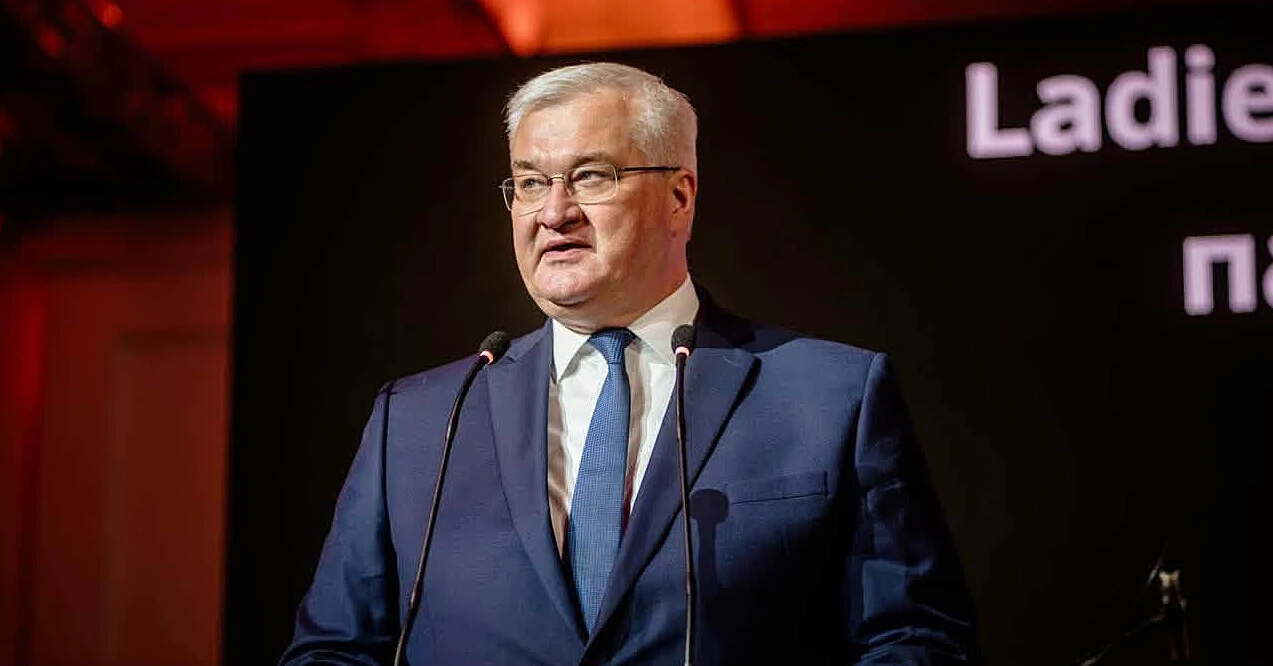
Russia openly rejects the peace initiatives of U.S. President Donald Trump and demonstrates complete disregard for calls to end the war. According to Ukrainian Foreign Minister Andrii Sybiha, Moscow's behavior is the result of insufficient international pressure.
The head of Ukrainian diplomacy said this on October 15 on the social network X, commenting on Russia's latest refusal to agree to a ceasefire.
The statement was prompted by the words of Russian Foreign Minister Sergey Lavrov, who at a press conference in Baku ruled out the possibility of a truce for the sake of holding presidential elections in Ukraine.
Lavrov claims that President Volodymyr Zelensky has put forward obviously unacceptable conditions for organizing the vote. According to the Russian minister, Ukraine intends to use the cessation of hostilities to rebuild its armed forces and obtain additional Western weapons.
"There will be no ceasefire so that he can be brought to his senses and pumped with weapons again," Lavrov said.
In response, Sybiha stressed that the Russian leadership not only refuses a peaceful settlement, but also increasingly openly ignores the proposals of the American president.
"Russia rejects peace. Everyone knows that. But how openly it is ready to reject President Trump's proposals shows its extraordinary arrogance," the Ukrainian foreign minister wrote.
According to the minister, Moscow shows no respect for international calls to end the war. He linked the hardening of Russia's position to the easing of external pressure.
"This is what happens when pressure eases: the less pressure, the more arrogance," Sybiha stressed.
The current diplomatic conflict is unfolding against the background of discussions about holding presidential elections in Ukraine and possible terms for a cessation of hostilities.
On October 10, Donald Trump said that it was time for Ukraine to elect a new president who could negotiate with Russia to end the war. The U.S. leader also criticized Volodymyr Zelensky's position regarding a peaceful settlement.
In response, on October 11, Zelensky said in an interview with ABC News that Ukraine is ready to organize presidential elections if Russia agrees to a full ceasefire for at least 60 days.
The Ukrainian president explained the need for such a period to ensure the safety of citizens and organize the electoral process in wartime. He stressed that the decision to hold elections and choose the head of state rests solely with Ukrainians.
However, the Russian side rejected the proposal for a two-month truce. Kremlin spokesman Dmitry Peskov said that Moscow is not in favor of a temporary halt to hostilities, but of concluding a general peace agreement. At the same time, he allowed that Russian troops might be ordered not to strike Ukraine on the actual day of voting.
The disagreements over elections arose simultaneously with the failure of another Trump initiative—stopping mutual strikes on energy infrastructure.
On October 11, the U.S. president announced that Ukraine and Russia had supposedly agreed to an immediate energy truce. Kyiv expressed readiness to support such a format provided that Moscow also stops attacks on Ukrainian energy facilities. The Russian side, however, did not confirm the conclusion of such an agreement.
In the following days, Russia continued massive strikes on Ukraine. In particular, on the night of October 14, Russian forces used 39 missiles and more than 120 drones, striking primarily energy infrastructure.
Commenting on this attack, Sybiha said that Vladimir Putin effectively refused the proposed energy truce. The minister called Russia's actions an open challenge to the United States.
The foreign minister called on international partners to strengthen sanctions against Russia, ensure stricter control over compliance with existing restrictions, and expedite the provision of additional air defense assets to Ukraine.
Sybiha also opposed economic concessions to Moscow that could provide additional revenue to the Russian budget to continue the war.
On October 15, it became known that attempts to establish an energy ceasefire had effectively ended. According to The Guardian, Ukraine resumed strikes on Russian oil refineries after Moscow continued attacks on Ukrainian infrastructure.
Earlier, Zelensky had said that Ukraine temporarily suspended strikes on Russian refineries to demonstrate readiness to support the U.S. peace initiative. However, the continuation of Russian attacks became grounds for lifting this restriction.
Thus, Sybiha's statement on October 15 was a continuation of the Ukrainian diplomatic position that achieving a ceasefire requires not only negotiations but also increased international pressure on Russia. For the time being, Moscow publicly rejects the temporary ceasefire conditions proposed by Kyiv.
Based on materials from: Andrii Sybiha (X), LIGA.net, RBC-Ukraine, Ukrainska Pravda, The Guardian.