

US again extends sanctions exemptions for "Lukoil"
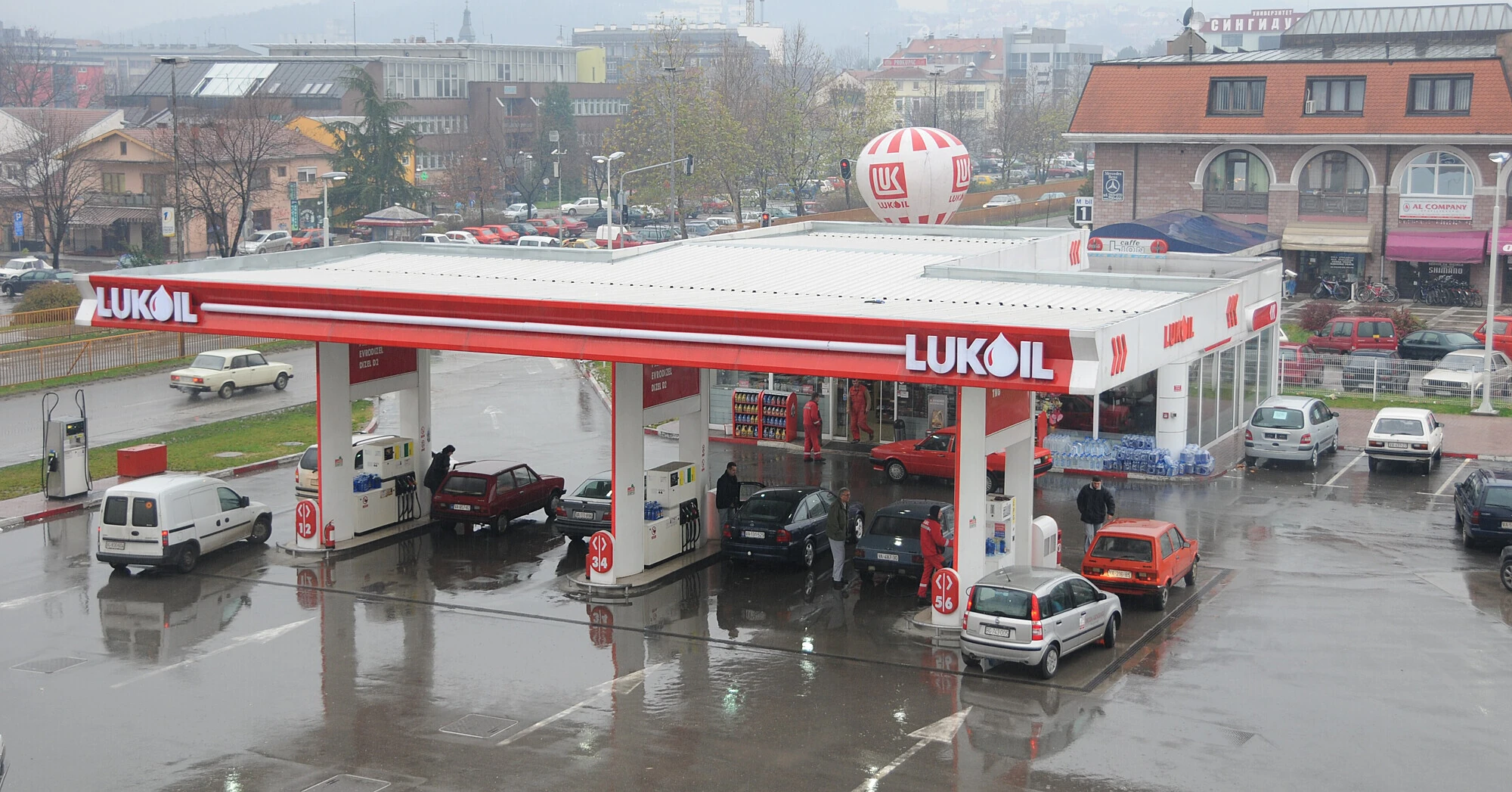
The US Treasury Department has extended until April 24, 2027 the sanctions exemptions that allow the operation of foreign gas stations of the Russian oil company "Lukoil" and its enterprises in Bulgaria. This is another extension of the permissions introduced after US sanctions against the Russian oil sector in the fall of 2025.
The relevant decision was published on October 15 by the Office of Foreign Assets Control (OFAC) of the US Treasury Department.
The regulator issued two updated general licenses. Document No. 128D allows transactions necessary for the maintenance, supply and operation of foreign gas stations associated with Lukoil International GmbH and its subsidiaries. License No. 130B extends to the Bulgarian enterprises Lukoil Neftohim Burgas, Lukoil Bulgaria, Lukoil Aviation Bulgaria and Lukoil Bulgaria Bunker.
The previous permissions were to be valid until October 29, 2026. Meanwhile, sanctions against Lukoil itself remain in force, and the license for foreign gas stations expressly prohibits transferring funds to individuals or accounts in Russia.
The exemptions are not extended for the first time. The first permission for operations with foreign gas stations was issued by OFAC on October 22, 2025. Since then, it has been revised and extended four times: in November and December 2025, April and October 2026. The permit for Bulgarian enterprises, first issued in November 2025, was extended twice - in April and October 2026.
Separately, the US Treasury has repeatedly extended the license for negotiations on the sale of Lukoil's international business. Since November 2025, this document has received ten updated versions. The latest, No. 131J, is valid until October 22, 2026. It allows conducting negotiations and concluding preliminary agreements, but a separate approval from OFAC is required for the actual sale of assets. The decision of October 15 did not extend the term of this license.
The US imposed blocking sanctions against Lukoil and Rosneft on October 22, 2025, explaining this by the need to increase pressure on Moscow to end the war against Ukraine. Already on October 27, Lukoil announced its intention to sell international assets, including oil refineries in Europe, gas station networks and stakes in foreign oil production projects.
The first buyer was to be the international trading company Gunvor. On October 30, 2025, Lukoil announced that it had agreed on the main terms of the sale of Lukoil International GmbH and accepted Gunvor's offer. However, on November 6, the US Treasury said it would not issue the necessary license to the trader, calling the company a "Kremlin puppet." Gunvor rejected the accusations, but withdrew its offer. In October 2026, the trader changed its name to Centalion.
In January 2026, Lukoil entered into a new agreement to sell international assets to the American investment company Carlyle. However, it also did not receive the necessary permission from OFAC. As reported on October 9 by S&P Global Energy, the deal expired at the end of July, and Carlyle ceased active work on the acquisition.
Currently, a consortium of American investor Todd Boehly remains among the contenders for the assets. According to media reports, his offer is supported by US government agencies and investors from the Persian Gulf countries. The value of Lukoil's international business is estimated at about $20 billion. The completion of the sale has not yet been announced.
OFAC emphasizes that any future transaction must completely sever the ties of the sold enterprises with the Russian company. Funds owed to Lukoil from the sale must remain blocked in accounts under US jurisdiction until sanctions are lifted. Thus, the extension of operational permits gives foreign enterprises the opportunity to operate while the search for buyers continues, but does not mean the lifting of restrictions on the Russian oil company.
Based on materials: OFAC, Bloomberg, New York Post