

Ukraine increases water discharge from the Dniester to support Moldova despite shortages in its own cities
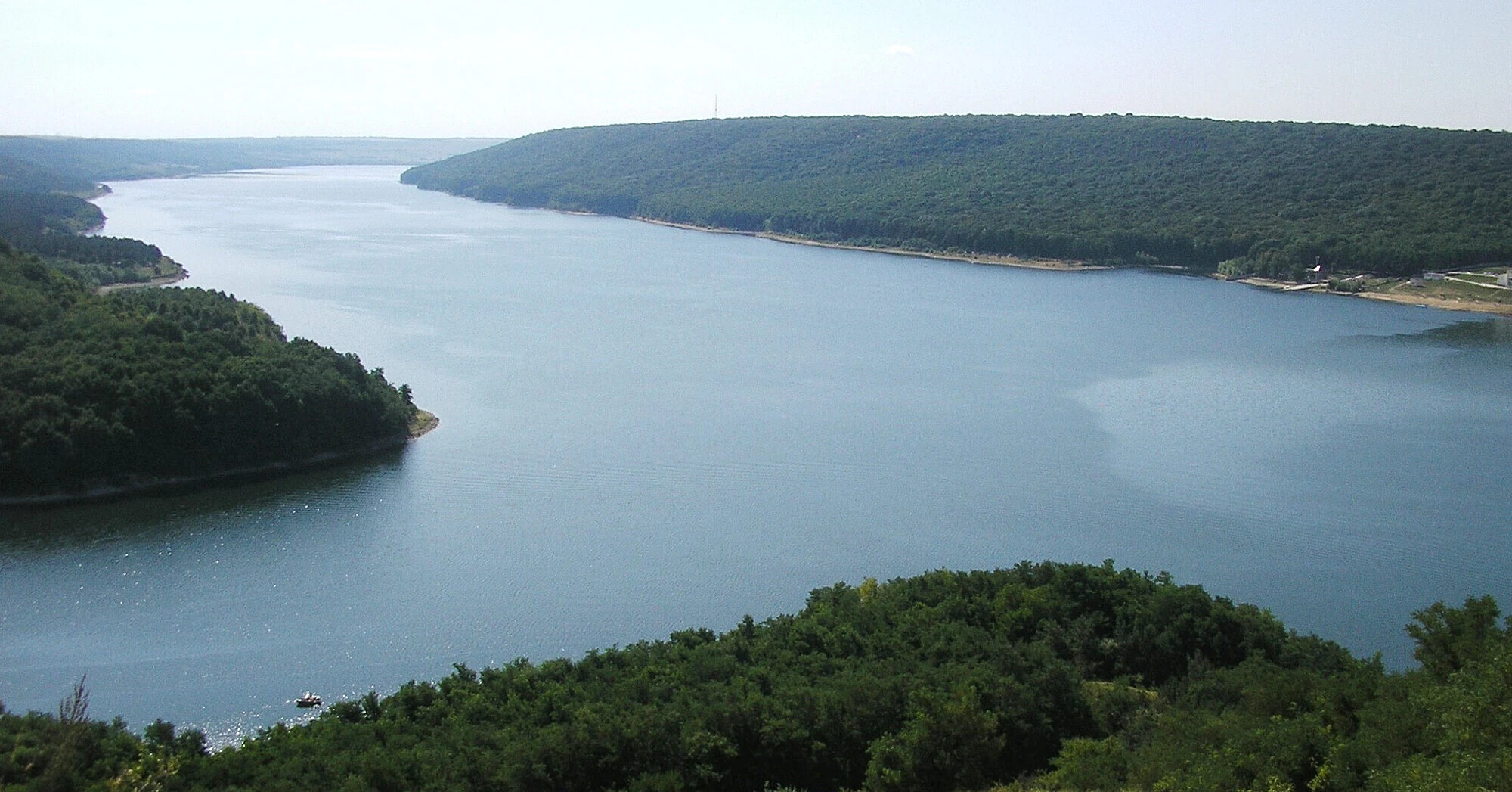
Ukraine increased the water discharge from the Dniester hydroelectric complex by about 20% after negotiations with Moldova. The decision is intended to support the water supply of the neighboring country, but due to prolonged low water, the situation remains difficult for both states.
This was announced by the Prime Minister of Moldova, Vasile Tofan, following negotiations with the First Deputy Prime Minister – Minister of Energy of Ukraine, Denys Shmyhal. The information was released by the Government of Moldova and the state agency Moldpres.
According to Tofan, the Ukrainian side agreed to increase the water discharge from the Dniester hydroelectric complex by about 20% compared to the previous period.
The agreement was reached amid the resumption of rains in the Carpathians, which are important for replenishing the Dniester reservoir.
The Prime Minister of Moldova noted that despite the additional water inflow, the situation remains tense both in the lower reaches of the Dniester and on Ukrainian territory.
He emphasized that the Ukrainian side is also facing a serious shortage of water resources, but agreed to review the operation of the hydroelectric complex to support the neighboring state.
According to Tofan, in Chernivtsi, due to water shortages, water supply is limited to eight hours per day – from 06:00 to 10:00 and from 18:00 to 22:00. In Novodnistrovsk, located near the reservoir, water is available only six hours per day.
The increase in discharge is intended to support the water level of the Dniester downstream, where water intakes are located that supply a significant part of the population of Moldova.
At the same time, this decision requires maintaining a balance between the needs of the neighboring country and the ability to maintain sufficient water reserves in the reservoir for Ukrainian consumers.
The Moldovan side has not yet specified the exact parameters of the new discharge regime in cubic meters per second and its duration.
The Dniester is experiencing critical low water
Recall that in September 2026, the inflow to the Dniester reservoir dropped to historic lows. On some days it was only 24 cubic meters per second – about 11% of normal.
Due to prolonged drought and lack of precipitation, Ukraine and Moldova have repeatedly revised the operation of the Dniester hydroelectric complex.
As previously reported by "Kurs Ukrayiny", critical low water has already led to water supply restrictions in Chernivtsi and Novodnistrovsk. A difficult situation was also observed in Khotyn, where the water intake required constant manual control.
In Moldova, since September 26, a state of emergency in the hydrological sector has been in effect, imposed for 60 days. It provides for the preparation of reserve water sources and alternative water supply schemes.
As a result of the latest negotiations, Ukraine and Moldova agreed to maintain constant contact to coordinate decisions on water resources and energy infrastructure.
In addition to the situation on the Dniester, the parties discussed cooperation in the field of electricity and natural gas. They plan to continue negotiations during the visit of the Moldovan Prime Minister to Kyiv at the end of October.
Based on materials from: Government of Moldova, Moldpres