

EU prepares new sanctions against Russia amid Trump's agreements with Moscow
The European Union does not plan to ease sanctions against Russia until the war in Ukraine ends, despite the decision of US President Donald Trump's administration regarding Russian energy resources. Moreover, the European Commission is preparing a new package of restrictions to increase economic pressure on Moscow.
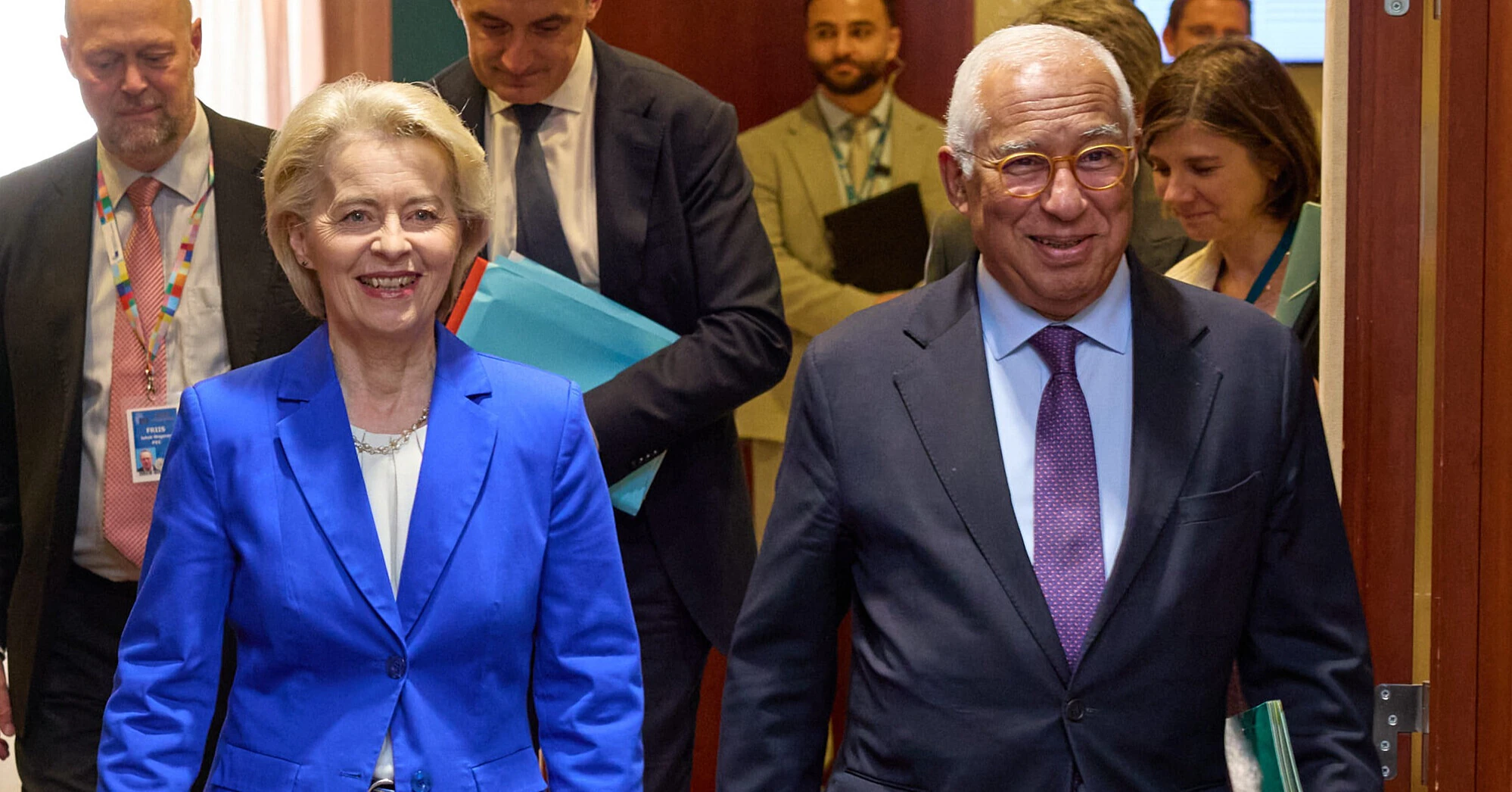
This was announced on October 16 by European Commission President Ursula von der Leyen and European Council President António Costa before the start of the meeting of EU leaders with Ukrainian President Volodymyr Zelenskyy in Brussels, according to The Guardian, Financial Times and Le Monde.
Von der Leyen stressed that the European Union will not lift any sanctions until Russia ends the war against Ukraine.
"One thing is absolutely clear: we will not lift any sanctions until Russia ends the war", the European Commission President said.
She reminded that European countries supported Trump's initiative for an energy truce between Ukraine and Russia. However, according to von der Leyen, Moscow did not adhere to the declared pause in strikes on energy infrastructure, but instead intensified attacks.
The European Commission President stressed that under such circumstances, pressure on Russia should not be reduced, but increased.
European Council President António Costa expressed a similar position. He assured Zelenskyy that EU support for Ukraine remains unchanged.
According to Costa, now is not the time to reduce aid to Ukraine or soften sanctions against Russia. On the contrary, increased pressure is necessary to force Moscow to agree to a genuine ceasefire and return to negotiations.
EU prepares new package of sanctions against Russia
According to the Financial Times, the EU leadership confirmed the preparation of the 22nd package of sanctions against Russia. The new measures are expected to continue the policy of economic pressure on the Kremlin, despite the change in Washington's approach.
European leaders fear that the easing of American restrictions could weaken the international sanctions regime and allow Russia to receive additional revenue from energy exports.
At the same time, the preparation of a new package does not mean that all EU member states have already agreed to it. The introduction of new economic sanctions requires the adoption of relevant decisions in accordance with established procedures.
According to the FT, at the Brussels summit EU leaders are also discussing further financial and military support for Ukraine. Particular attention is being paid to securing resources for the country in 2027, since the protracted war requires significant additional expenditure.
US eases certain restrictions on Russian energy resources
The EU leadership's statements came against the backdrop of agreements between Washington and Moscow regarding the supply of Russian diesel fuel to the international market.
US President Donald Trump announced such a deal on October 9. The American administration expects that increasing the fuel supply will help curb prices that have risen as a result of the energy crisis and the war in the Middle East.
In addition, according to Le Monde, on October 15 the US extended a partial exception to sanctions against the Russian oil company "Lukoil".
The decision of the US Office of Foreign Assets Control (OFAC) allows the company's foreign gas stations to be supplied with fuel until April 24, 2027.
However, the authorization does not extend to transferring funds to individuals or accounts located in Russia. Thus, it is a limited easing of certain sanctions requirements, not a complete lifting of restrictions on Lukoil.
The American administration is also considering the possibility of easing sanctions on some oil tankers linked to Russia and Iran in order to increase available maritime shipping capacity.
However, such steps have drawn criticism not only in Europe but also in the US. According to Le Monde, on October 15 a group of 22 members of the House of Representatives called on Trump to abandon the diesel fuel agreements and fully enforce sanctions against Moscow.
Europe insists on maintaining pressure
Differences between the US and the European Union have intensified after Ukraine resumed strikes on Russian oil refineries. Kyiv had previously temporarily suspended such attacks at Washington's request, but Russian troops continued to shell Ukrainian energy infrastructure.
Trump criticized the resumption of Ukrainian strikes, linking them to rising world oil prices.
European leaders, on the other hand, believe that concessions to Russia without a cessation of hostilities will not create conditions for lasting peace.
Thus, the EU leadership confirmed its intention to maintain sanctions pressure regardless of the softening of American policy. At the same time, the statements by von der Leyen and Costa represent a political position, not a separate decision on adoption of new sanctions.
Based on materials from: The Guardian, Financial Times, Le Monde