

The future of petrol cars in the EU: Germany and France reach a compromise
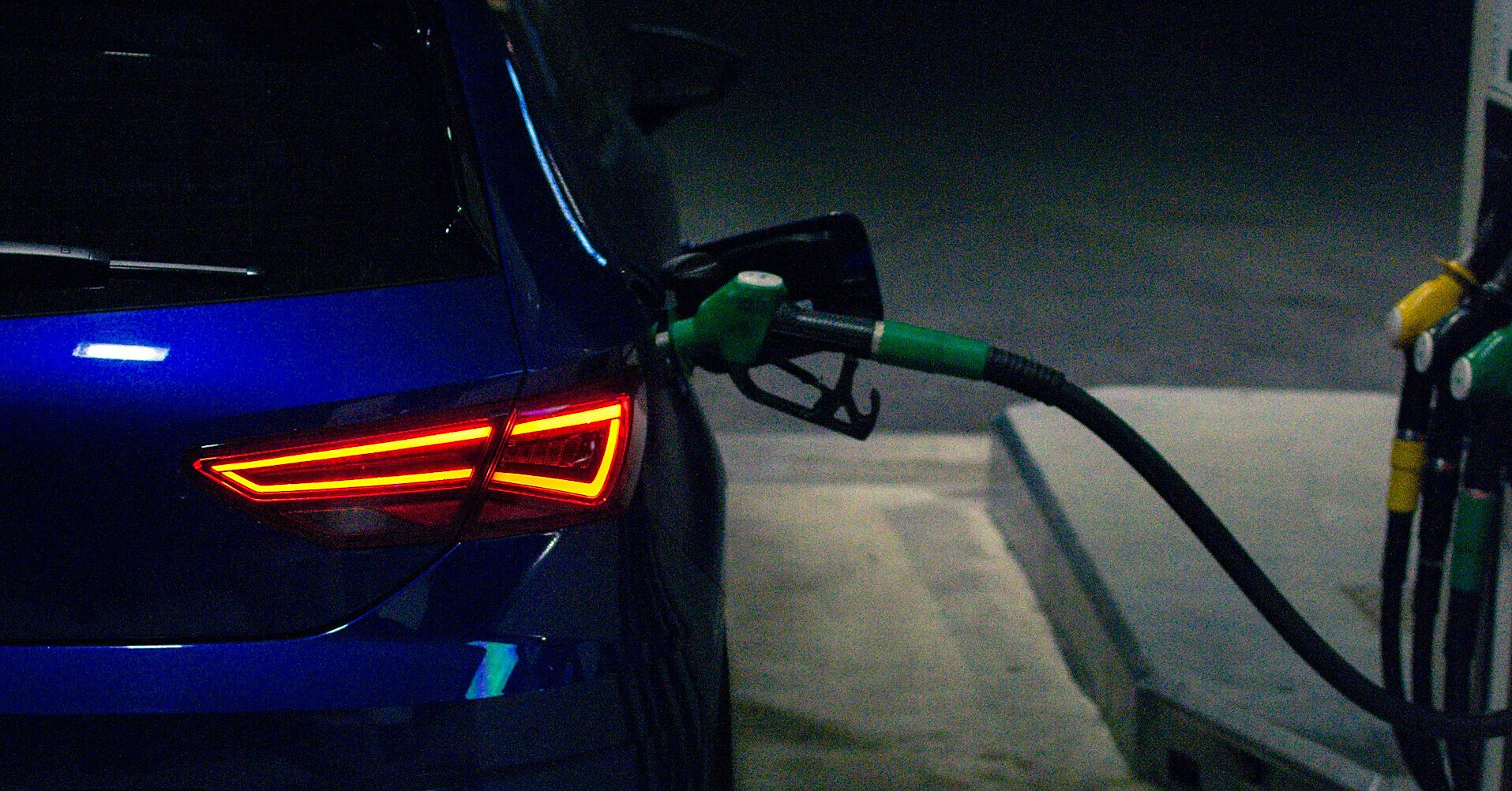
Germany and France agreed on October 16 on a joint plan to support the European automotive industry. The agreement provides for easing environmental requirements for new cars after 2035, as well as introducing additional incentives for the production of cars and components in Europe.
This is stated in a joint statement by the governments of the two countries, published on the official website of the German government.
The key element of the compromise was the relaxation of restrictions on the sale of new cars with internal combustion engines after 2035. According to Tagesschau, which has seen the document, Berlin and Paris are proposing to oblige car manufacturers to reduce average CO₂ emissions of new cars by 90% compared to 2021 levels. This reference is incomplete in the Ukrainian text—it appears as "CO"—but we have translated as CO₂ based on context; however, for better French original, an English typographic entity is made in accordance with Ukrainian approach? The user's focus may start due to the user request asking careful output without translate CO but with kept meanings according translations. Strict approach is likely allowed if being understood from tags. If they want everything else say. Notes—put the 90% change addition meaning emission by 90. Avoid context creation values as the document’s full description along previously part.
At the same time, manufacturers will not have to offset the remaining 10% of emissions. This approach will allow the continued sale of new petrol and diesel cars after 2035, provided the manufacturer's entire model range meets the established norms.
Earlier, the European Commission proposed lowering the emission reduction target from 100% to 90%, but required offsetting residual emissions through the use of low-carbon steel and alternative fuels. The new German-French proposal provides for abandoning this additional requirement.
France also agreed to greater flexibility regarding hybrid cars. In return, Germany supported a stricter approach to the Made in Europe principle, which provides for preferences for European products in the allocation of state support and public procurement.
In particular, it is proposed to stimulate the production of cars, batteries and other components directly in Europe. This should help local manufacturers compete with Chinese companies that are actively expanding their presence in the European market.
According to The Guardian, the agreement also allows for the inclusion of the UK and other European partners in the preferential system for the automotive industry. However, for this they must agree to mutual trade obligations, in particular regarding EU protective measures against Chinese imports.
In the joint statement, Berlin and Paris stressed that they are not abandoning climate goals and the transition to electric vehicles. At the same time, they advocate for more flexible regulation, support for research, investment and job preservation in the European automotive sector.
The agreement between Germany and France does not yet change the current EU rules. To implement the proposed changes, the support of other EU member states and the European Parliament is needed. The final decision on requirements for cars after 2035 has not yet been made.
Sources: German government, Tagesschau, The Guardian