

In type 2 diabetes, even without insulin, sugar was better controlled—a small arm sensor helped
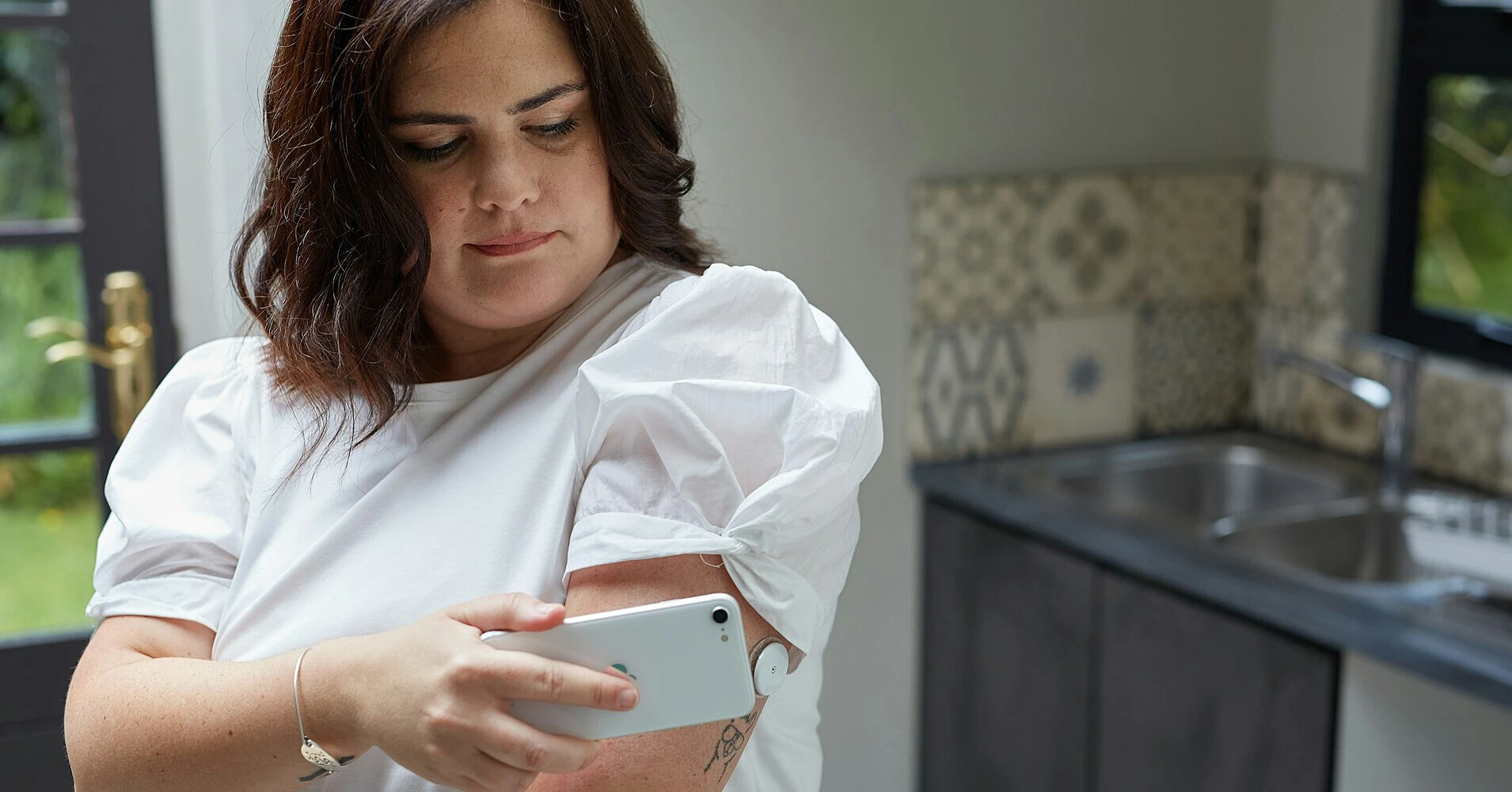
People with type 2 diabetes who did not use insulin were able to significantly improve blood sugar control thanks to a small skin sensor. In a clinical study, participants using a continuous glucose monitoring system spent an average of five more hours per day in the target sugar range than patients who used conventional monitoring methods.
The results of the randomized CONNECT trial were published October 14 in the authoritative medical journal The New England Journal of Medicine. The trial included 283 adults with type 2 diabetes from 22 U.S. medical institutions. Follow-up lasted 26 weeks.
The most interesting fact is that participants did not receive insulin. However, this does not mean they were without treatment: many continued taking other glucose-lowering medications.
Five additional hours with sugar in target range
Researchers divided participants into two groups. In the first, 145 people used continuous glucose monitoring sensors, while in the second, 138 patients controlled diabetes with usual methods.
All participants received recommendations on diet and physical activity, and previously prescribed medication therapy was continued.
The difference was in access to information: sensor users could constantly track glucose changes throughout the day, rather than relying only on sporadic measurements.
After six months, time in range was on average 21 percentage points higher in the sensor group.
This is approximately five additional hours each day.
For the study, target range was defined as 3.9 to 10.0 mmol/L. Participants with sensors spent noticeably more time within these limits.
Moreover, five hours is the average difference between the two groups, not a guaranteed improvement for every patient.
An important diabetes control marker also improved
The study's primary efficacy endpoint was not time in range but glycated hemoglobin—HbA1c.
This test reflects average glucose concentration over the past two to three months and helps doctors assess long-term diabetes control.
Over 26 weeks, results changed as follows:
- In patients with sensors, HbA1c decreased on average from 8.8% to 7.2%.
- In the usual care group, the indicator declined from 8.7% to 8.0%.
After statistical adjustments, continuous monitoring advantage was 0.9 percentage points of HbA1c. This difference was statistically significant.
Thus, the study demonstrated improvement not only in short-term sugar metrics but also in average level over several months.
However, researchers did not assess whether sensor use reduces the number of heart attacks, strokes, kidney damage, or other long-term diabetes complications. Further research will be needed for such conclusions.
How the sensor helps control sugar without insulin
A continuous glucose monitoring system, or CGM, is a small sensor attached to the skin that measures glucose level in interstitial fluid.
Data is transmitted to a smartphone or compatible device. The user sees not only the current value but also a graph of changes over time.
This allows noticing situations that are easy to miss with occasional fingerstick tests: for example, how much sugar rises after certain foods, how long it stays high, and how it changes after physical activity.
The information received helps patients better understand their body's responses and enables doctors to make more informed treatment decisions.
However, it is important to understand: the sensor itself does not lower sugar and does not replace medications. Its role is to provide information that may help manage diabetes more effectively.
The CONNECT study showed that such information can be useful even for people who do not yet require insulin therapy.
Who may benefit from such sensors
Previously, benefits of continuous monitoring were most convincingly demonstrated in people with type 1 diabetes and patients with type 2 diabetes receiving insulin.
For patients treated without insulin, large randomized trials have been fewer.
CONNECT participants initially had poorly controlled diabetes: inclusion required HbA1c of at least 7.5%.
Therefore, the results are particularly relevant for people with type 2 diabetes whose sugar remains elevated despite prescribed treatment.
However, one cannot automatically assert that continuous sensor use is necessary for every person with diabetes or that similar benefit will apply to people without this disease.
Important limitation: the study was paid for by the sensor manufacturer
The study was funded by Dexcom, the company that produces the Dexcom G7 system used in the experiment. Among the authors of the scientific publication are employees of the manufacturer.
CONNECT results were first presented in June 2026 at the American Diabetes Association's scientific conference. The new event was the publication on October 14 of a full article with results in a peer-reviewed medical journal.
The randomized design enhances reliability of the data, but manufacturer funding must be considered when interpreting results.
Moreover, the trial lasted only 26 weeks. It is not yet known how durable the benefits will be after several years and whether routine sensor use will be cost-effective for all patient categories.
During the study, no cases of severe hypoglycemia were recorded, but this does not exclude such risks in ordinary clinical practice.
What this means for people with type 2 diabetes
The study showed that continuous glucose monitoring can significantly improve type 2 diabetes control even in people who do not use insulin. Patients with sensors spent on average five more hours per day in the target sugar range compared to the usual care group. However, the sensor itself does not treat diabetes, and the result obtained does not guarantee the same improvement for every patient. The decision to use a sensor should be made together with a doctor.
Based on: The New England Journal of Medicine — original CONNECT study, October 14, 2026, American Diabetes Association — CONNECT study materials, Dexcom — information on results and funding