

Kenya tries to contain the first Ebola outbreak in the country's history
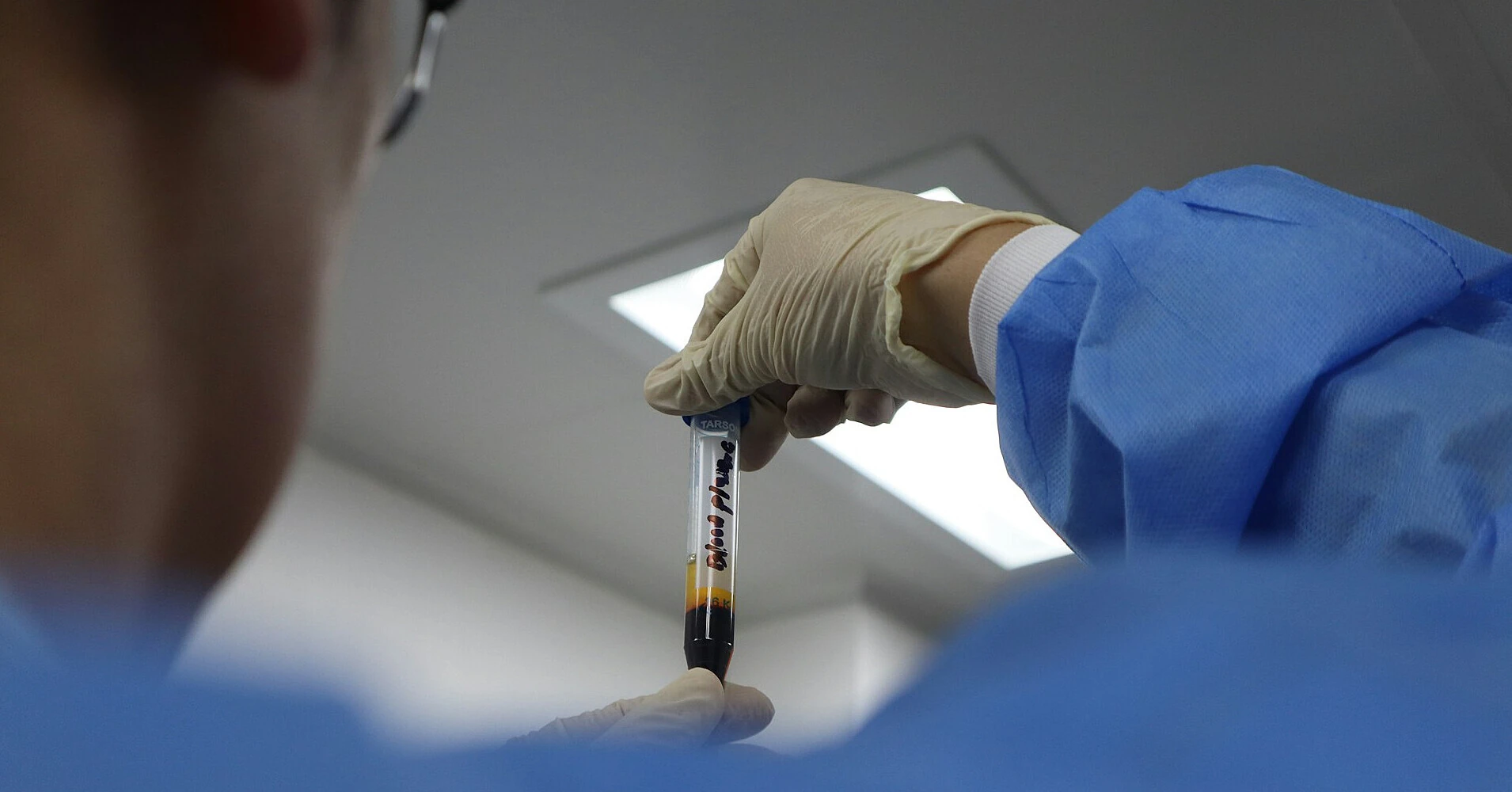
In Kenya, the number of confirmed Ebola virus cases has risen to eight. A new patient was identified among people under medical observation after contact with the first infected patient. The country's authorities continue quarantine measures and verification of contact persons.
This was reported on October 18 by Patrick Amoth, Director General of Health Services in Kenya, in an interview with Citizen TV.
According to him, within a day, medics tested 38 people, among whom one test was positive. The new case was recorded in a 49-year-old man who worked as auxiliary staff in a medical facility.
The man developed fever, headache, and muscle pain. According to preliminary data, he may have been infected through contact with contaminated objects in the room where the first Ebola patient was staying.
All identified cases of infection are linked to the first patient, who arrived in Kenya from the Democratic Republic of the Congo. The man flew to Nairobi on October 3 via Uganda and died in hospital on October 5.
This was the first officially confirmed case of Ebola in Kenya's history. After its detection, medics began searching for people who may have had contact with the infected person.
On October 17, the country's Ministry of Health reported four new infections, including among three healthcare workers who cared for the first patient and one of his relatives.
In total, health authorities identified 130 contacts. As of October 17, 128 of them were located and placed in quarantine. The individuals are monitored for 21 days — the maximum incubation period of the disease.
According to Kenyan authorities, there is currently no evidence of the virus spreading beyond the established circle of contacts. The remaining confirmed patients are under medical supervision. Ministry of Health officials reported a positive response of patients to treatment.
The current infections are caused by the Bundibugyo strain of the Ebola virus. According to the World Health Organization, there is no licensed vaccine or specific treatment for it yet. Patients receive supportive care, and Kenya also reported the use of monoclonal antibodies.
WHO is assisting Kenyan authorities with laboratory testing, providing personal protective equipment to medics, and monitoring people who had contact with infected individuals.
The outbreak is linked to the large Ebola epidemic in the Democratic Republic of the Congo, which has been ongoing since May 2026. It is from there that the first infected patient arrived in Kenya.
Despite the detection of new cases, WHO does not recommend closing borders or restricting international trade. The main containment measures remain timely detection of patients, isolation, and contact tracing.
Based on materials from: Citizen TV, The Standard, WHO