
In Odesa, a scheme to conceal the origin of grain stolen by Russia was exposed
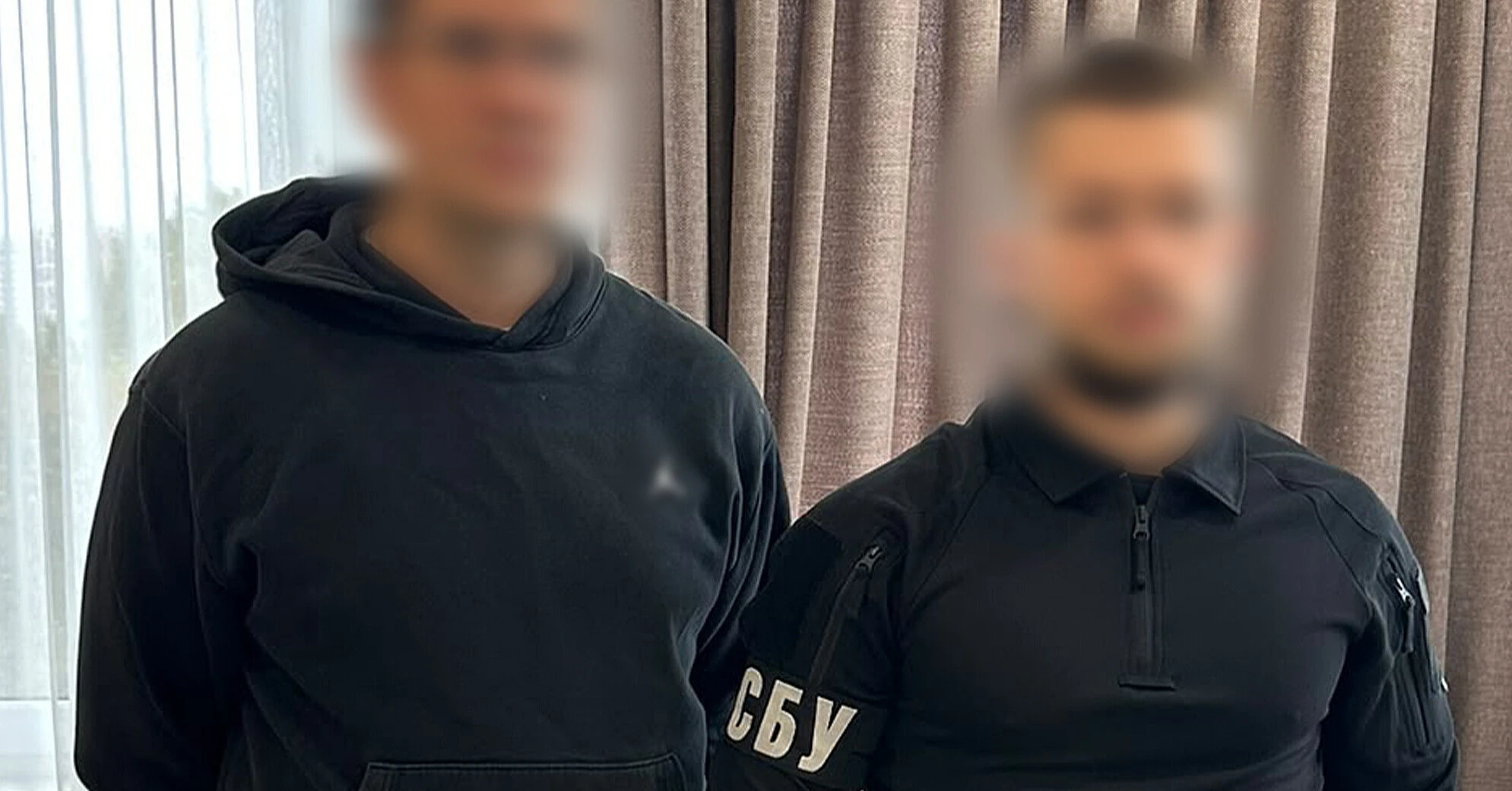
In Odesa, two executives of a company were detained on suspicion of helping Russia legalize Ukrainian grain illegally exported from occupied Mariupol. According to the investigation, the officials issued forged laboratory documents that allowed concealing the origin of almost 8,000 tons of wheat worth over 60 million hryvnias.
The Security Service of Ukraine and the Office of the Prosecutor General reported this on October 19.
According to law enforcement, the suspects are the director of the Odesa branch of a foreign company specializing in quality inspection and certification of agricultural products, and the head of its laboratory.
The investigation established that in 2024, a Russian enterprise loaded 7,857 tons of Ukrainian wheat onto the sanctioned vessel Alfa M at the port of temporarily occupied Mariupol.
From there, the grain was transported to the Russian port of Temryuk in Krasnodar Krai, where fictitious documents about its alleged Russian origin were filed.
To further sell the stolen products, Russian representatives, according to the investigation, involved employees of the Odesa enterprise that provides quality inspection and certification services for agricultural products.
Law enforcement claims that the branch director and the laboratory head knew about the Ukrainian origin of the wheat but agreed to issue a fictitious laboratory report.
The document was meant to certify the quality of the grain and facilitate its further sale without disclosing the fact of illegal export from the occupied territory of Ukraine.
According to the Office of the Prosecutor General, the wheat was then delivered to Turkey for processing. The investigation is determining the further route of products made from it, including checking the possibility of supplying them to European Union countries and Ukraine.
Thus, the final destinations of the products are still being clarified.
During searches at the company's office and the suspects' homes, law enforcement seized documentation, laboratory reports, computer equipment, and mobile phones.
Both officials were notified of suspicion under Part 2 of Article 28 and Part 1 of Article 111-2 of the Criminal Code of Ukraine – aiding the aggressor state, committed by prior conspiracy by a group of persons.
The court ordered pretrial detention for the suspects with the possibility of bail.
If found guilty, they face 10 to 12 years in prison with possible confiscation of property and additional restrictions on holding certain positions or activities.
The pre-trial investigation is ongoing. Law enforcement did not disclose the name of the enterprise and the names of the suspects. According to the law, detainees are presumed innocent until their guilt is established by a court.
Based on materials from: Security Service of Ukraine, Office of the Prosecutor General
