
Trump's approval rating drops to record low ahead of U.S. elections
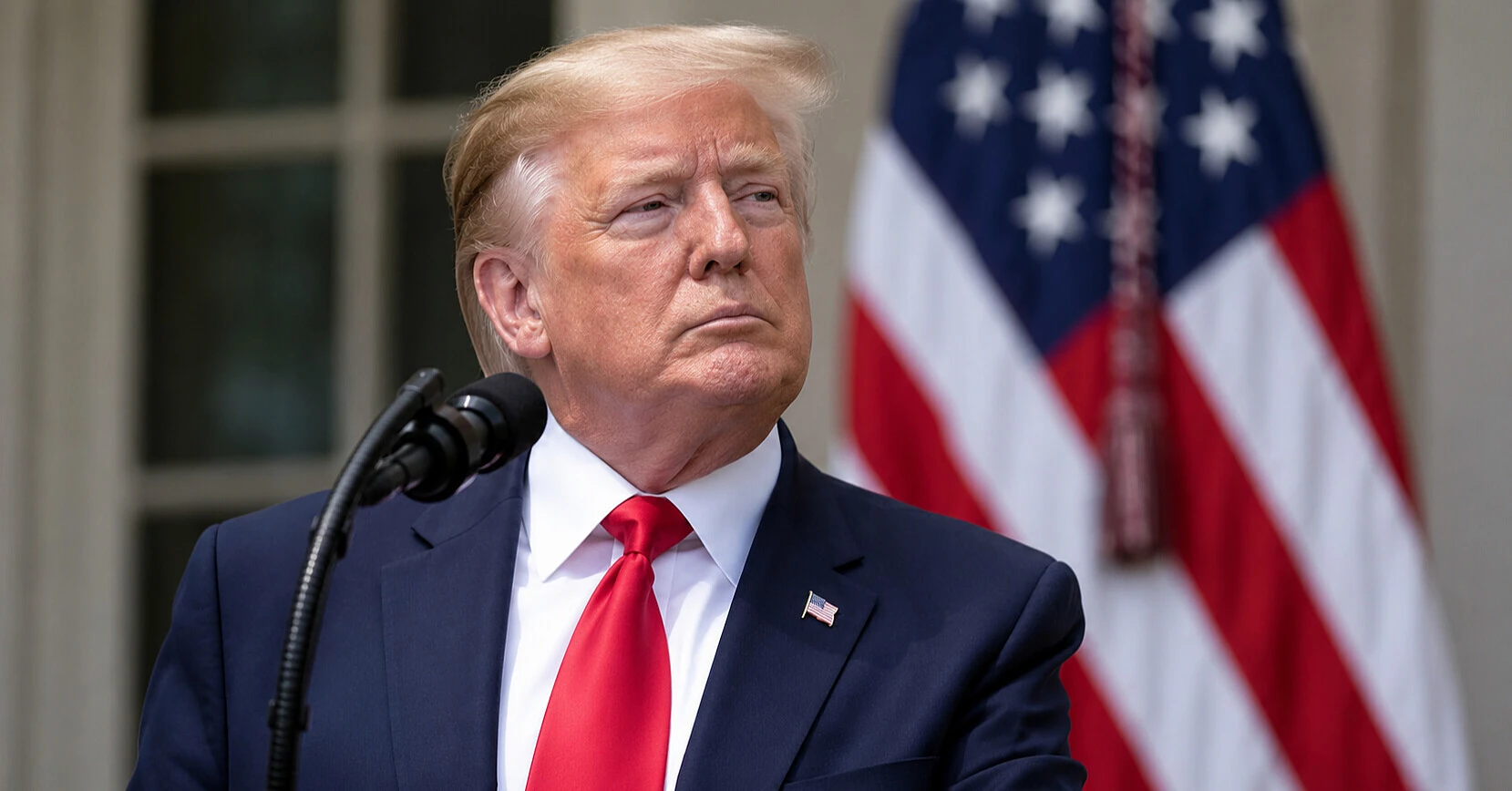
The approval rating of U.S. President Donald Trump has dropped to 33%, the lowest level of both his presidential terms. At the same time, the Democratic Party has increased its lead over Republicans in polls ahead of the midterm Congressional elections, which will take place on November 3.
This was reported by The Washington Post, citing the results of a joint study by the newspaper, ABC News, and the sociological firm Ipsos, published on October 18.
According to the survey, Trump's performance is approved by 33% of adult Americans, while 66% are dissatisfied with his work. Moreover, 52% of respondents said they strongly disapprove of the president's actions.
Compared to July, Trump's support fell by four percentage points, and relative to October last year, by eight. The current figure is lower than all values recorded in similar polls even during his first presidential term.
Among voters who are highly likely to participate in the November vote, the president's approval rating is 38%, and disapproval is 62%.
Democrats increased their lead before the elections
The poll also showed changes in Americans' preferences for elections to the House of Representatives. Among registered voters, Democrats lead Republicans by eight percentage points. A similar gap is recorded among likely voters.
In July, the Democratic advantage among registered voters was only three percentage points.
In addition, 58% of registered voters would like Democrats to control Congress and restrain Trump's decisions. 39% favor preserving Republican majority to support the president's policies.
The study also revealed a difference in the readiness of party supporters to participate in elections. Among Democrats, 75% said they will definitely vote or have already done so. Among Republicans, that number was 67%.
At the same time, The Washington Post notes that the national poll cannot determine the results of voting in individual districts and states. Republicans also maintain a financial advantage in election advertising, and the outcome of specific races will depend on voter turnout.
Economy has become a major reason for dissatisfaction
The most noticeable deterioration in assessments of Trump's performance is associated with the economy, inflation, and rising cost of living.
The president's economic policies are approved by only 28% of surveyed Americans. In July, this figure was 33%, and in February, 41%.
About three-quarters of study participants disapprove of the administration's actions to combat inflation and rising day-to-day expenses.
At the same time, 48% of Americans believe that their financial situation has worsened since Trump's return to the White House in January 2025. This is the highest level of such discontent in Washington Post and ABC News polls since 1986.
Especially noticeable are changes in perceptions of fuel affordability. In February, 71% of Americans considered gasoline reasonably priced. Now 71% of respondents hold the opposite view.
The rise in fuel costs comes amid the U.S. war with Iran, which has disrupted energy supplies and maritime shipping. According to the study, 65% of Americans believe the decision to launch a military operation against Iran was a mistake.
For the first time since 2014, Democrats have gained an advantage over Republicans on the issue of trust in managing the economy. They are trusted by 40% of registered voters versus 33% who prefer Republicans.
Overall, 72% of respondents believe that the U.S. is heading in the wrong direction. Since April, the share of such answers has increased by five percentage points.
The poll was conducted from October 9 to 13 among 2,545 adult U.S. residents. The statistical margin of error for the entire sample is about two percentage points, and for registered voters, 2.2 points.
The U.S. midterm congressional elections are scheduled for November 3, 2026. Americans will elect the entire House of Representatives and part of the Senate. The results will determine the distribution of power in Congress for the remaining two years of Trump's presidential term.
Based on materials from: The Washington Post, Ipsos.
