
BBC announces closure of three channels and job cuts
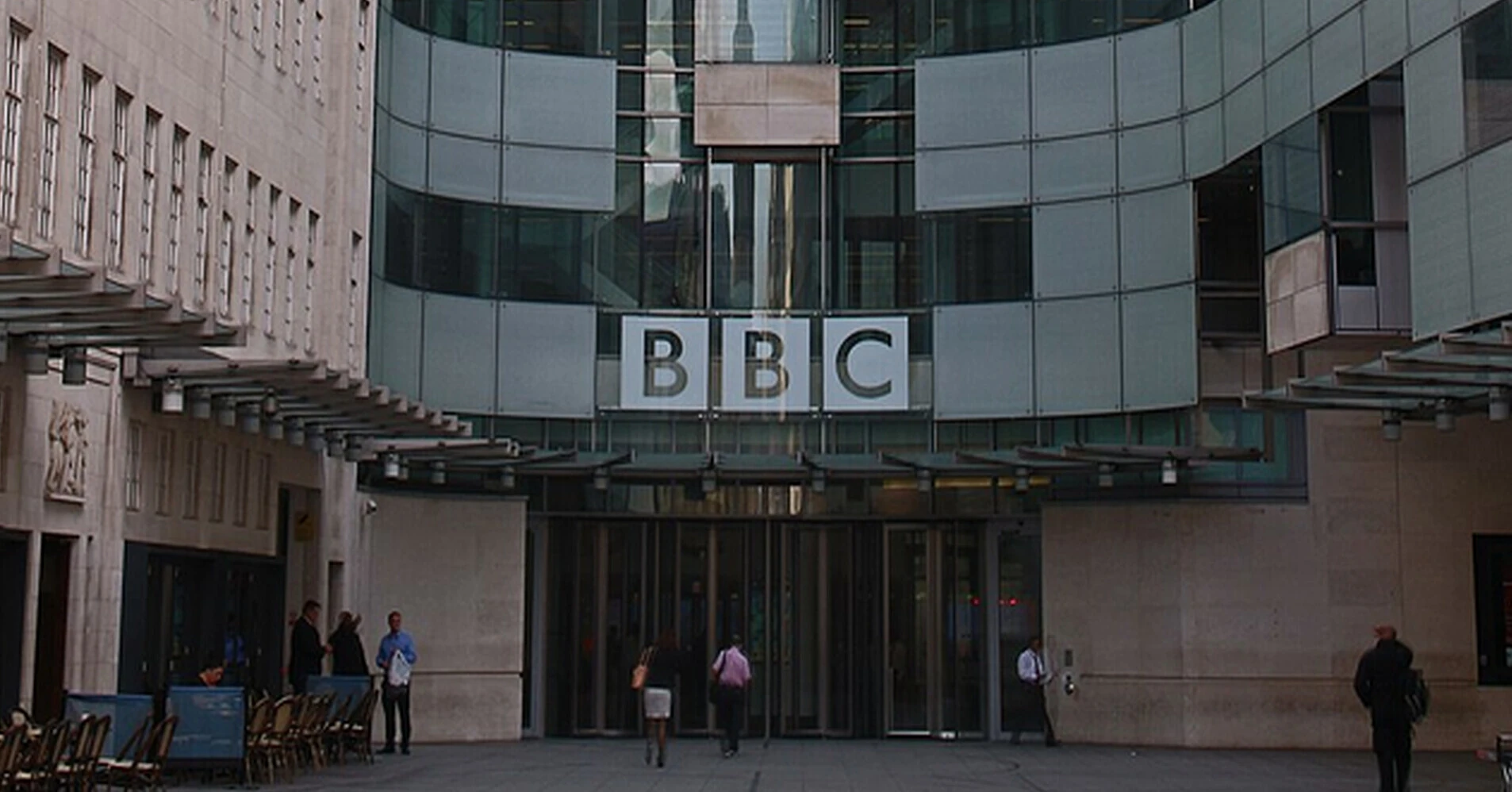
The British television and radio corporation BBC has announced the closure of two television channels and one radio station as part of a large-scale cost-cutting program. By spring 2027, BBC Three, BBC Scotland, and BBC Radio 4 Extra will stop traditional broadcasting. However, most of their programs will remain available online.
The Guardian reported this on October 20, citing an official decision by the corporation's management.
The channel closures are part of the BBC's financial optimization program, which envisages savings of £500 million by 2028. In addition to ending broadcasts, the company plans to cut about 100 jobs in the BBC News division. This will save an additional £5.5 million.
About ten positions will also be cut in the BBC Scotland division. The corporation's management warned that new cost-cutting decisions may follow in the coming months.
BBC Director-General Matt Brittin explained the need for reform by financial difficulties and changing audience habits. According to him, the corporation has to revise its spending structure in order to direct funds to the most sought-after programs and services.
"We must achieve greater value for every pound we spend on our audience," Brittin said in a message to staff.
He acknowledged that closing traditional channels would be a painful decision for viewers and employees, but stressed that a significant portion of the content would continue to appear on digital platforms.
As The Independent points out, BBC Scotland will remain as a separate channel on the streaming platform BBC iPlayer. Some of its programs will also be broadcast on BBC One and BBC Two in Scotland.
The youth-focused BBC Three will continue to produce programs for digital platforms, including iPlayer and YouTube. The corporation promises to increase investment in content for young audiences, despite abandoning traditional television broadcasting.
This is the second such transition of BBC Three to the internet. In 2016, the channel stopped television broadcasting to save money, but in 2022 it returned to the air. Now the corporation has again decided to make it fully digital.
BBC Radio 4 Extra, which specializes in drama, comedy, and archive programs, will also cease linear broadcasting. Its programs will be available via BBC Sounds, and individual programs will continue to air on local radio stations.
The BBC's financial situation is complicated by declining revenues and the gradual shift of viewers from traditional television to internet services. According to The Guardian, the corporation has so far achieved about £200 million of the planned £500 million in savings.
Meanwhile, audiences for some television channels have already declined significantly. In particular, BBC Three is watched live by about 4% of the UK population in a typical week. The comparable figure for BBC Scotland is roughly 12% of Scotland's residents.
Union representatives criticized the decision, warning that staff cuts and the closure of broadcast services could have a negative impact on the quality of public television and radio.
Further savings plans at BBC News are to be presented in early 2027. The new head of the division, Rachel Jupp, will have to determine the future development strategy for news services with a focus on digital platforms.
